
Jonathan Willis
(For the first, introductory post in the series, click here)
Of all of the Ten Commandments, it is probably the second which has received the most attention from historians. The Protestant renumbering of the commandments took the prohibition ‘Thou shalt not make unto thee any graven image … thou shalt not bow down thyself to them, or worship them’ out of the Catholic First Commandment, and made it into a separate precept. This gave a lot more emphasis to Protestant hostility to the making and worshipping of idolatrous images, but it did not create it: it merely gave it added prominence and urgency.
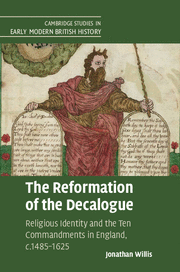 It is one of the arguments of the book, and of this blog post, that historians have done two contradictory things: they have given too much importance to the Second Commandment, and they have also viewed it too narrowly. They have emphasised it to the extent that they have ignored some of the (frankly) more significant changes taking place at the other end of the Decalogue (for which see the last post in the series, on the Tenth Commandment). And they have also failed to recognise that the Second Commandment was but one element of a much grander description of how to worship God (and how not to worship him), which encompassed the whole of the first table. Continue reading
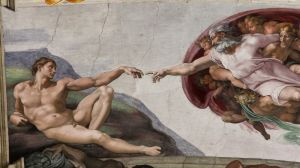 What this commandment required, however, was nothing short of true faith. The first component of faith was knowledge. The future bishop of Llandaff, Exeter and Worcester, Gervase Babington, wrote in his very Fruitful Exposition of the Commaundements in 1583 that the knowledge of God was declared by the magnificence of his creation (the heavens and earth, and all the creatures therein); by his word (in the form of the scriptures); by the holy spirit which brought the knowledge of salvation; and by the conscience of man, which comforted him when he acted in a way of which God approved, and accused him and made him afraid when he committed evil deeds.
  Regular readers of this blog may or may not be aware that I’ve spent the last seven years or so researching and writing
 the many-headed monster