
 Welcome to the many-headed monster’s 200th blog post! We started the blog back in July of 2012, so it’s taken us about three-and-a-half years to get here. In that time we have managed to produce a post (on average) about once a week, so there has been plenty of content for our readers to get their teeth into over the past few years.
We thought we would take this milestone as an opportunity to revisit some of that content, and pluck out a few highlights from our archive (we are historians, after all). So, if you missed any of these the first time round, or indeed fancy reading them again, here are some of our other milestone posts:
The 1st Post: Norwich entertainments–Part I: A monstrous hairy child and a boneless girl
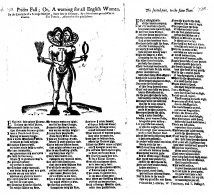 The blog kicked off with Brodie’s first installment of his ‘Norwich entertainments’ series – also launching the mini-series format that has proved a popular one on the ‘monster – in which he reflects on what 17th century Norvicians’ penchant for viewing ‘monstrous’ deformities might reveal about the culture of our early modern forebears. You can revisit the rest of this series here.
The 50th Post: Eating Animals: A Bit of History
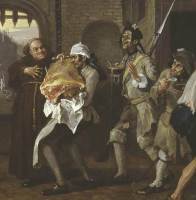 In this milestone post Mark examined the relationship early moderns had with eating meat – finding evidence that whilst meat eating was more widespread in the 17th century than we might expect, so too were notions of vegetarianism. Plenty of fodder here for those dinner table discussions! For more on the history of food and drink see Mark’s ‘Food for Thought’ series.
The 100th Post: Elizabethan ‘madmen’ Part I: Not such a Virgin Queen
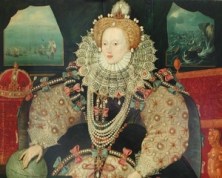 Our century of posts came up with the first part of Jonathan’s Elizabethan ‘madmen’ series, which looks at a selection of unusual letters written directly to the Queen by some of her more marginal – and eccentric – subjects. In this instance the writer makes an extraordinary paternity claim. Jonathan reflects further on the signficance of these letters in his contribution to our Voices of the People symposium.
The 150th Post: Memorial and History: appendix ii, further discoveries
 In this post Laura adds a postscript to her Memorial and History series. This examined a whole range of monuments and memorials – often found in rather unexpected places – which reveal how battles over how we remember the Reformation have raged down the centuries. It also includes some lovely holiday snaps. Stay tuned to the ‘monster, for next week’s post revisits the issue of how history and memory are embedded in our landscape.
Just a few highlights then from our archive, and here’s to many more to come! Thanks to all of our followers, readers, commenters, guest bloggers and re-tweeters – your interest and support for the blog are what make it tick, so keep on coming back…
 the many-headed monster