
This post is part of Reflecting on Imtiaz Habib’s Black Lives in the English Archives: An Online Symposium, organised and edited by Rebecca Adusei and Jamie Gemmell. The blog series is introduced here. The blog series was launched on Friday 19 Mary 2023 at the London Metropolitan Archives to tie in with their new ‘Unforgotten Lives’ exhibition.
Rebecca Adusei
Rebecca Adusei is a PhD student at King’s College, London. Her project locates and analyses depictions and characterisations of Sub-Saharan Africans in Early Modern literature and drama. Trained in Literary Studies, Rebecca’s research has become increasingly interdisciplinary. Drawing together Literary Studies and History, she looks at Black individuals in the early modern archives and scrutinises their characterisations in literature. Rebecca runs a book blog on Instagram where she sometimes discusses the Early Modern period. She has previously conducted tours for KCL’s Visible Skin Project. She has spoken at the London Shakespeare Centre and the Shakespeare’s Globe’s Home and Early Modernity Conference. In 2021/2022, she was awarded the SRS Scholars of Colour Bursary for her work in Early Modern Studies.
Studying the Black Presence in early modern texts and contextually has been the bedrock of my research for the last six years. It all started in a Shakespeare lecture back when I was an undergraduate student. We were studying Titus Andronicus and discussing the character, Aaron. I came to the lecture bristling with ideas. I was especially taken with the language that was used in the tragedy. I found the epithet ‘Moor’ quite interesting; it struck me that Aaron’s race became an intrinsic part of his characterisation and how others in the text sought to weaponize his race and demonize him for it. An example of this is when Marcus dubs him a ‘black ill-favoured fly’.[1] Whilst I did not have the vocabulary to eloquently articulate my ideas, I was aware what these examples were evidence of: anti-Black racism. However, whilst we discussed Aaron in the lecture and the subsequent seminar, I was shocked that no one picked up on these ideas, that led me to question whether I was wrong in my examinations. This all changed in 2018 when I read Imtiaz Habib’s Black Lives in the English Archives, 1500-1677: Imprints of the Invisible.
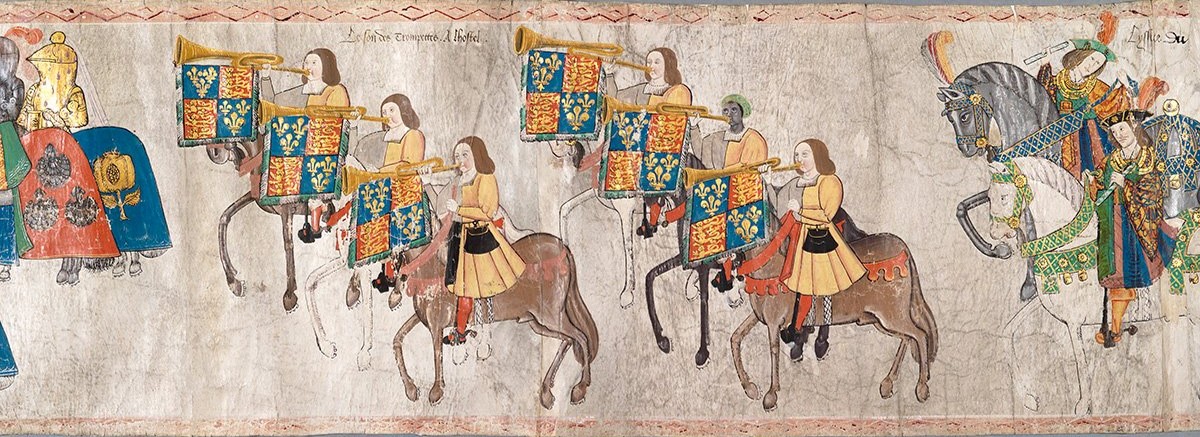
Reading Habib’s work made me feel vindicated and valid. In the opening sections of Black Lives Habib writes that ‘scholars have been unable to regard historical blacks in the reigns of Elizabeth and her immediate successors as anything more than stray figures in an “anecdotal” landscape, too accidental and solitary to be even a historical statistic.’[2] I was one of these scholars. The lack of critical engagement and discussion of the Black Presence contextually in early modern England and in early modern texts in my undergraduate class made me second guess my own beliefs. It made me question what I saw right in front of my eyes: blatant examples of anti-Black racism. However, reading Black Lives gave me the vocabulary, strength and confidence I so desperately needed to pursue this important work. Countering the long established idea in early modern discourse that there were no Black people in early modern England, Habib also shows that ‘[…] obscure, truncated and largely inaccessible documentary records, which are only now becoming fully available, paint a very different picture about the size, continuity and historical seriousness of the black presence in England in the sixteenth and seventeenth centuries, well before English black populations become known through the transatlantic slave trade.’[3] Continue reading
 the many-headed monster