
Mark Hailwood
I needed to try something to get me writing again. Blessed with a period of research leave to resume work on my book – Everyday Life in the Seventeenth Century English Village – I found staring at a blank Word document wasn’t doing the trick. So, I decided to go for a walk.
I don’t need much of an excuse to go walking. I often do so to get my thoughts in order and my creativity sparked. But going for a turn around the block just wasn’t cutting it this time. Thankfully the answer was right in front of me: I had been transcribing a case from the 1620s that I planned to use for the book, which detailed the ‘beating of the bounds’ of the Somerset parish of Portishead, my hometown. I’d had the idea of writing up an imaginative recreation of this walk around the parish boundaries to introduce the landscape of a typical seventeenth century English village to my readers. What better way to get this chapter moving than to set about actually retracing the walk myself? This would not be any old walk; it would be a ‘research walk’. And a good excuse to have a pub lunch on a workday.
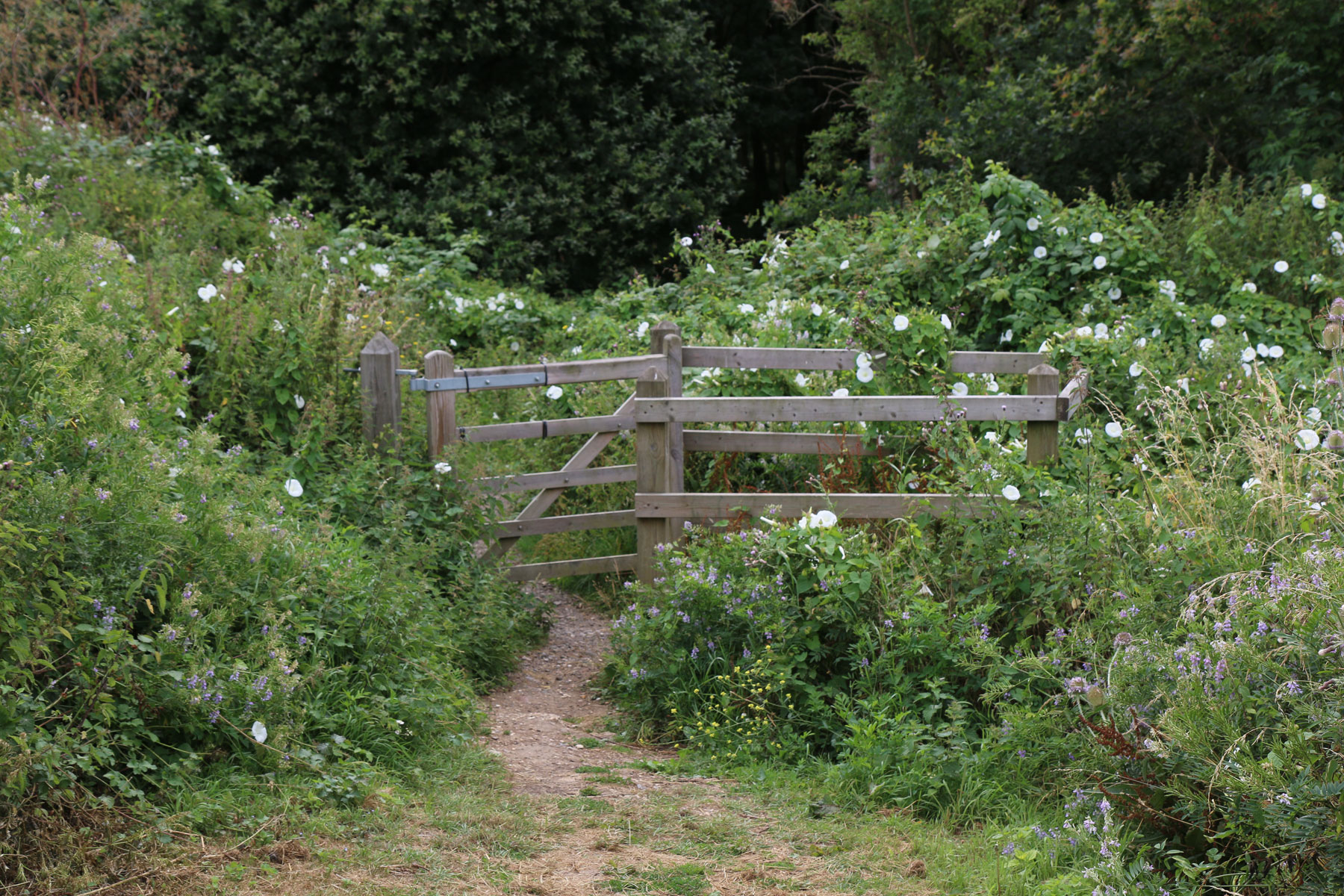
One walk turned into four, and throughout the dreary days of December and January, I used them to kick start periods of intense writing. I took photos on the way around, and compiled threads on Bluesky as a way of creating notes on what I had seen and thought. You can find them, and relive the walks yourself, via the links below:
Walk One: The Moors
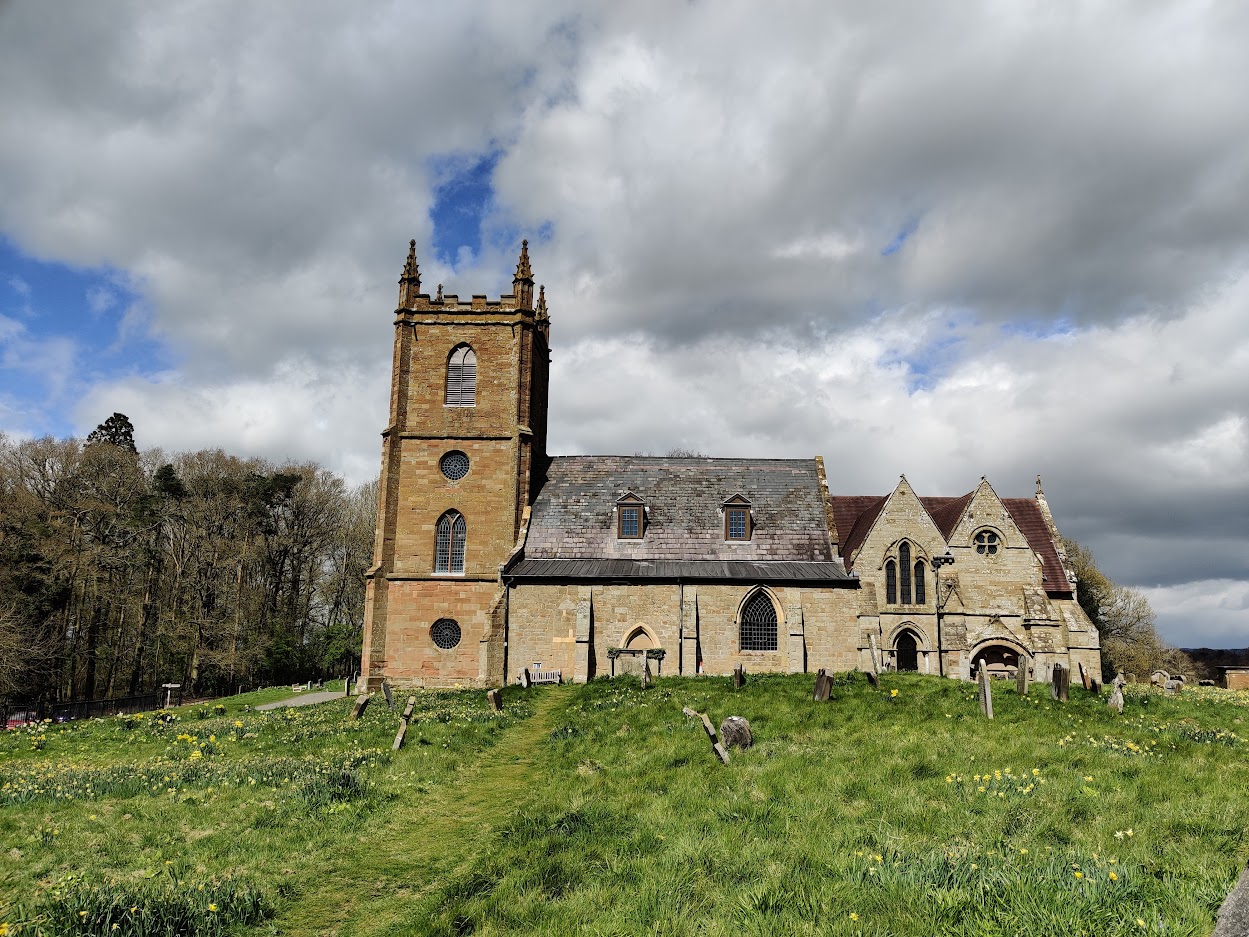
Walk Two: The Church and the Mill
Walk Three: Up the Down
Walk Four: Around the Headland
If you are primarily interested in the history of Portishead, or just fancy a circuit of a seventeenth century village, then I would suggest heading to these threads now – the rest of this post is about to take a methodological turn that is only likely to be of interest to historians and other academics. If that is your bag though, read on.



 the many-headed monster