Our next post in ‘The Voices of the People’ symposium (full programme here) is by Laura A.M. Stewart, Senior Lecturer in Early Modern British History at Birkbeck, University of London. As they have done in our previous three posts, issues of power and the authority to speak continue to loom large, but our next two posts show a different aspect of that relationship – highlighting contexts in which the voices of ordinary people in the early modern period could, in albeit heavily circumscribed contexts, be accorded a degree of value and legitimacy.
Laura A.M. Stewart
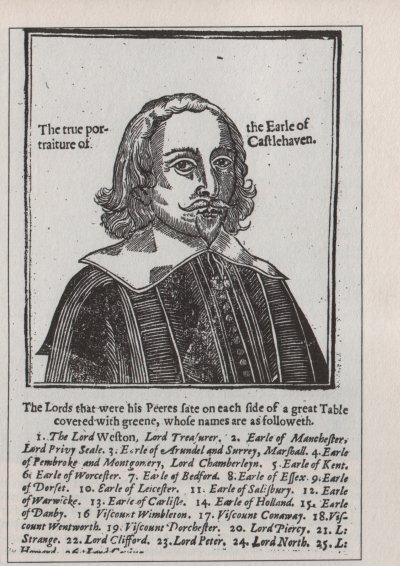
In the spring of 1639, Scotland was facing an invading foreign army for the first time in eight decades. During the previous year, thousands of Scottish people had covenanted with one another and with God in defence of religion, kingdom, and king. This event had persuaded the government in London that Scotland was in revolt and needed to be restored to order through the use of force. Scotland and England had been joined together under one ruler since 1603, when King James VI of Scotland had acceded to the English throne on the death of Elizabeth I, but the Covenanters were not seeking liberation from British monarchic rule. Indeed, by seeking to repatriate some of the powers claimed by a London-based monarch, and thereby enable Scottish representative bodies to have a greater say in decision-making, the Covenanters offer parallels with current debates on the Anglo-Scottish union.[1] Unfortunately, the king in question, Charles I (1600-1649), did not believe he needed to be protected against ‘evil counsel’ by his Scottish subjects and he construed their religious covenant – with some justification – as an act of rebellion against his authority. Thankfully, Prime Minister David Cameron does not appear to have consulted the published works of Charles I’s polemicists on the perennial nature of the ‘British problem’.[2] For the second king of Britain, the best way of maintaining ‘one nation’ was to invade Scotland.[3]
In giving ‘mutual defence and assistance’ to one another as war loomed, the men and women of all social ranks who swore the National Covenant vowed never to ‘suffer ourselves to be divided’ and always to put ‘the common happiness’ before personal gain.[4] Historians have tended to think about the Covenant as a text to be read and signed, but many more people encountered it aurally and responded to it with voices rather than pens. My forthcoming book examines the communal swearing ceremonies that greeted the Covenant in parishes throughout the country. In some places, these ceremonies were emotionally charged events, in which entire parish communities gathered together to give voice to their faith. Leading clerics and politicians asserted in print and from the pulpit that the safety of the Scottish nation depended on the unity of its people.[5] Continue reading