
This post in our Addressing Authority Online Symposium comes from Fabio Antonini, who recently completed his PhD at Birkbeck, University of London, as part of the ERC funded project ‘ARCHIves – a History of Archives in Late Medieval and Early Modern Italy‘. He examines a single illuminating document from seventeenth-century Italy to show how a skilled writer could craft a powerful petition, and what this can tell us about the secretive men who controlled the flow of information in the Venetian Republic.
There were few figures more important to the legislative and diplomatic activity of the early modern Republic of Venice than the secretaries of the city’s chancery. Operating within a vast and complex bureaucratic hierarchy, these were the scribes, archival assistants and international correspondents who drove the Republic’s substantial information networks, both within the city and across the continent. From an individual perspective, however, written traces of their careers and professional activity are often hard to come by amongst the Venetian state papers; the deliberately faceless and anonymous representation of the Republic’s various councils meant that the voice of the individual secretary is far more muted than in other prominent examples across early modern Europe.[1]
One of the rare occasions in which the secretaries of the Republic were allowed a personal voice, however, was in the petitions and supplications addressed to their paymasters – the highly secretive executive body known as the Council of Ten – which now reside in the Venetian State Archives. Many of these petitions, in which the secretaries give a detailed narrative of their careers and activities in order to demonstrate their years of service to the state, were often submitted in the hope of salary increases, promotions within the ranks of the chancery, or even favourable treatment for their children as they too embarked upon the secretarial career path.
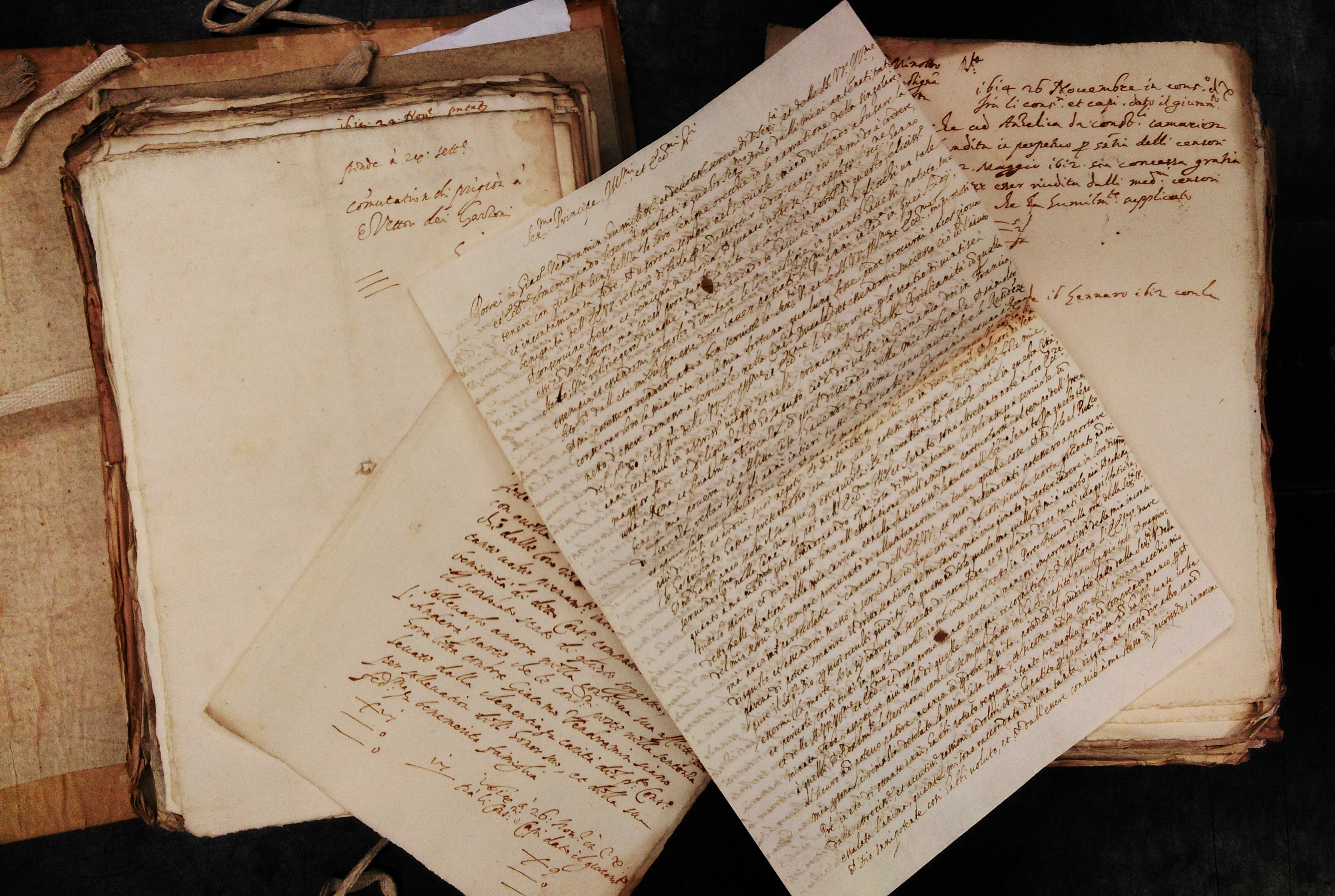
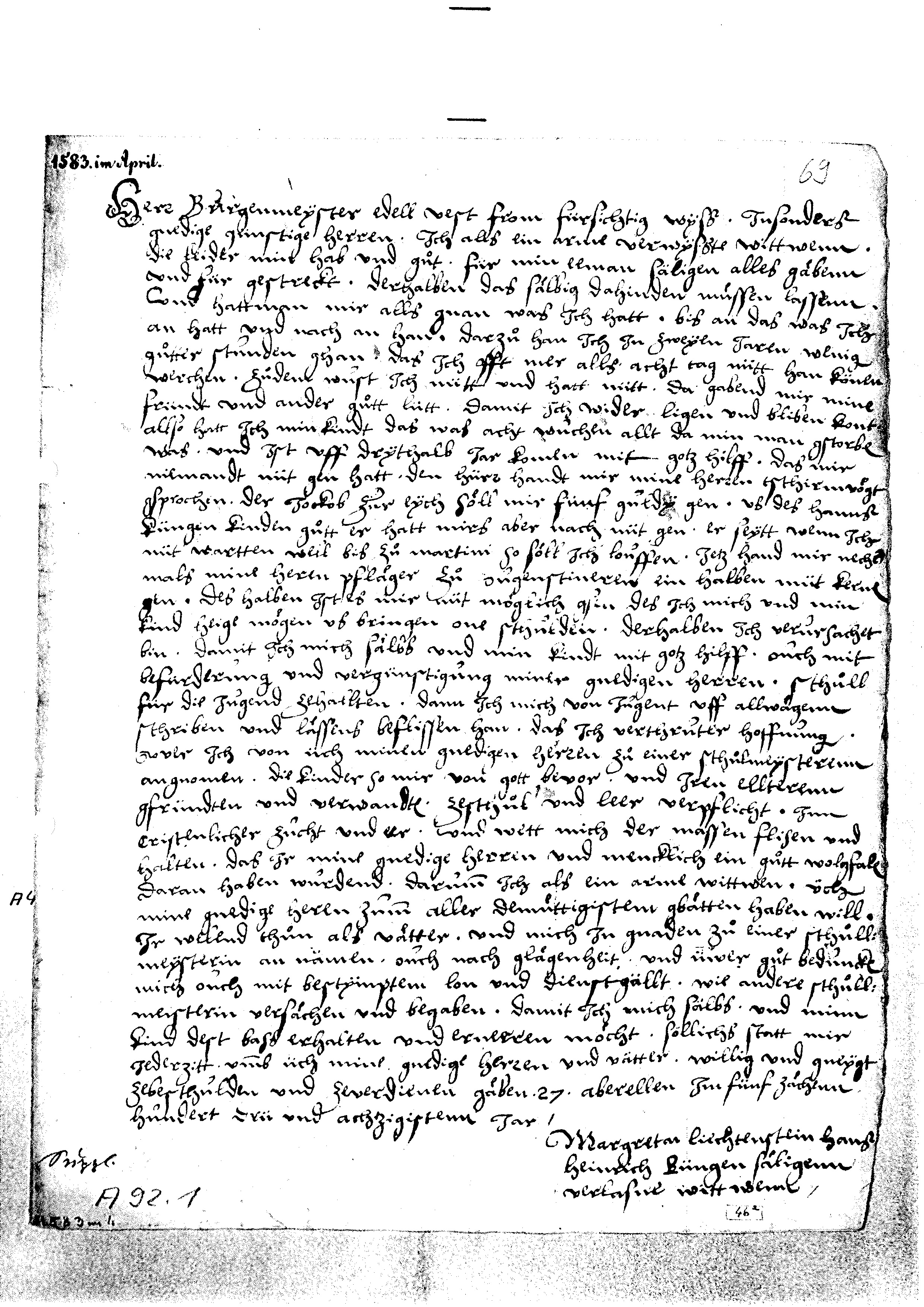
Vendramin’s petition in the Venetian State Archives, 1614
In some cases, however, the stakes were significantly higher. Whilst looking through these semi-autobiographical records as part of my research into the history of the Venetian chancery,[2] I came across a particularly poignant and revealing example of the importance of petition writing for the livelihoods of Venice’s early modern secretaries. This particular petition was submitted by a former secretary of the Senate – the third highest ranking within the hierarchy of the chancery – Giacomo Vendramin, who in 1612 had been accused of revealing state secrets whilst serving the Venetian ambassador in Florence. Vendramin was ordered back to Venice to face trial, and was subsequently sentenced to two years imprisonment.[3]
In some respects, Vendramin had got off lightly. The revelation of state secrets – whether through design or negligence – had long been an extremely serious offence for those entrusted with compiling and registering government records. In one famous case in 1542, for example, an unfortunate secretary was publically strung up between the columns of Saint Mark’s Square after having been caught in the act of selling secret papers to an Ottoman spy.[4]

 the many-headed monster