
Laura Sangha
This is the first of three posts on early modern ghosts. Part 2 is here. Part 3 was published on All Hallow’s Eve and can be seen here.
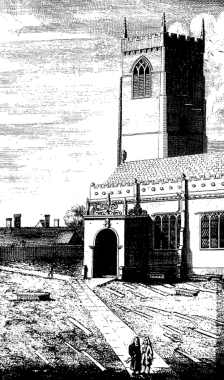
St Johns Church, Leeds, in R. Thoresby, Ducatus Leodiensis (1715)
In seventeenth-century England the sepulchre was surprisingly likely to open its ponderous and marble jaws and cast up the dead. Apparitions in questionable shapes regularly made the night hideous and reduced people to jelly with fear. This belief was not restricted to old wives and children either, since people from all religious groups and every social level encountered ghosts, from servants to clergymen, soldiers to scholars.
[What, has this thing appeared again tonight?]
Traditional catholic belief, folklore and protestant theology each contributed to the contemporary understanding of what these ‘things’ were. Often apparitions had a clear purpose: they might appear to prophesy, to announce some strange eruption to the state, to reveal the location of treasure they had buried in life, or perhaps to request prayers for the soul that would ease their fate in the afterlife.
However, the nature of these apparitions was not something that was immediately obvious to those who encountered these spirits of health or goblins damned. An apparition might look like or wear the clothes of someone recently deceased, but its true nature could not be discerned from its appearance. Supernatural encounters with mysterious, otherworldly beings could be dangerous to the living, and were not to be entered into lightly.
[It wafts you to a more removed ground:
But do not go with it] Continue reading
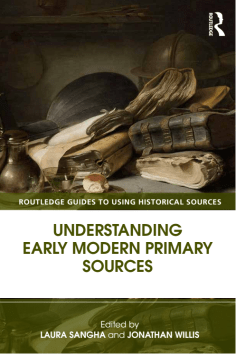
 to convince you that they have something to offer pretty much everybody interested in researching, reading or writing about early modern England. As well as co-editing
 the many-headed monster