
Our next post in the Addressing Authority Online Symposium comes from Joris van den Tol of Leiden University. Here he shows how networks of individuals involved in the Dutch Atlantic trade used petitions to lobby metropolitan institutions and perhaps contributed to the formation of a ‘public sphere’.
‘We all know that a monopoly is the most odious thing in the world and the most harmful practice of all’, wrote the directors of the Amsterdam chamber of the Dutch West India Company (WIC) in January 1637.[1] This is an interesting standpoint for a group at that moment enjoying the exclusive trading rights to and from the Company’s colonies in the Atlantic. So, why did the Amsterdam chamber decide to advocate giving up the WIC monopoly in the Atlantic? Who or what influenced their decision? How did individuals lobby both the Company and the highest political levels for their own interest in regard to free trade, religious freedom, authority, military assistance, or other issues? Moreover, why did these interest groups decide to lobby – as opposed to fighting the Company in court for example?
The history of the Dutch in the Atlantic in the seventeenth century used to be a story of a Company chartered in 1621 that was institutionally weaker than its competitors or its East Indian counterpart (VOC) and thus deservedly fell behind, lost large parts of its colonial possessions, and went bankrupt in 1674.[2] However, more recent work has shown that the Dutch Atlantic was built on loosely organized personal networks rather than centralized metropolitan institutions.[3] These networks were self-organized, often pluri-religious, multi-ethnic, and cross-cultural, but more importantly had intersecting interests.[4] Moreover, they cooperated pro-actively to try to influence the structures, institutions, and policy that shaped their world.
There was a duality of structure between the individuals and the structure; the structures at the same time enabled and limited the actions of the agents, as well as being comprised of the actions from the agents. This process of structuration is what I call lobbying, and indicates a hermeneutic relationship between the agents and the institutions.[5] Lobbying removes the impetus for historical actions in the Dutch Atlantic from the Company or the ‘state’ and puts it in the hands of individuals and organized interests.
Lobbying by petition
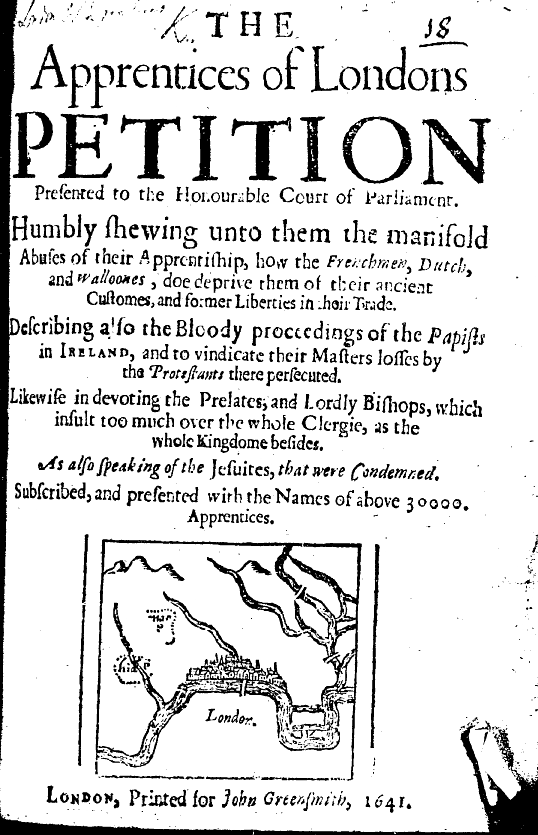
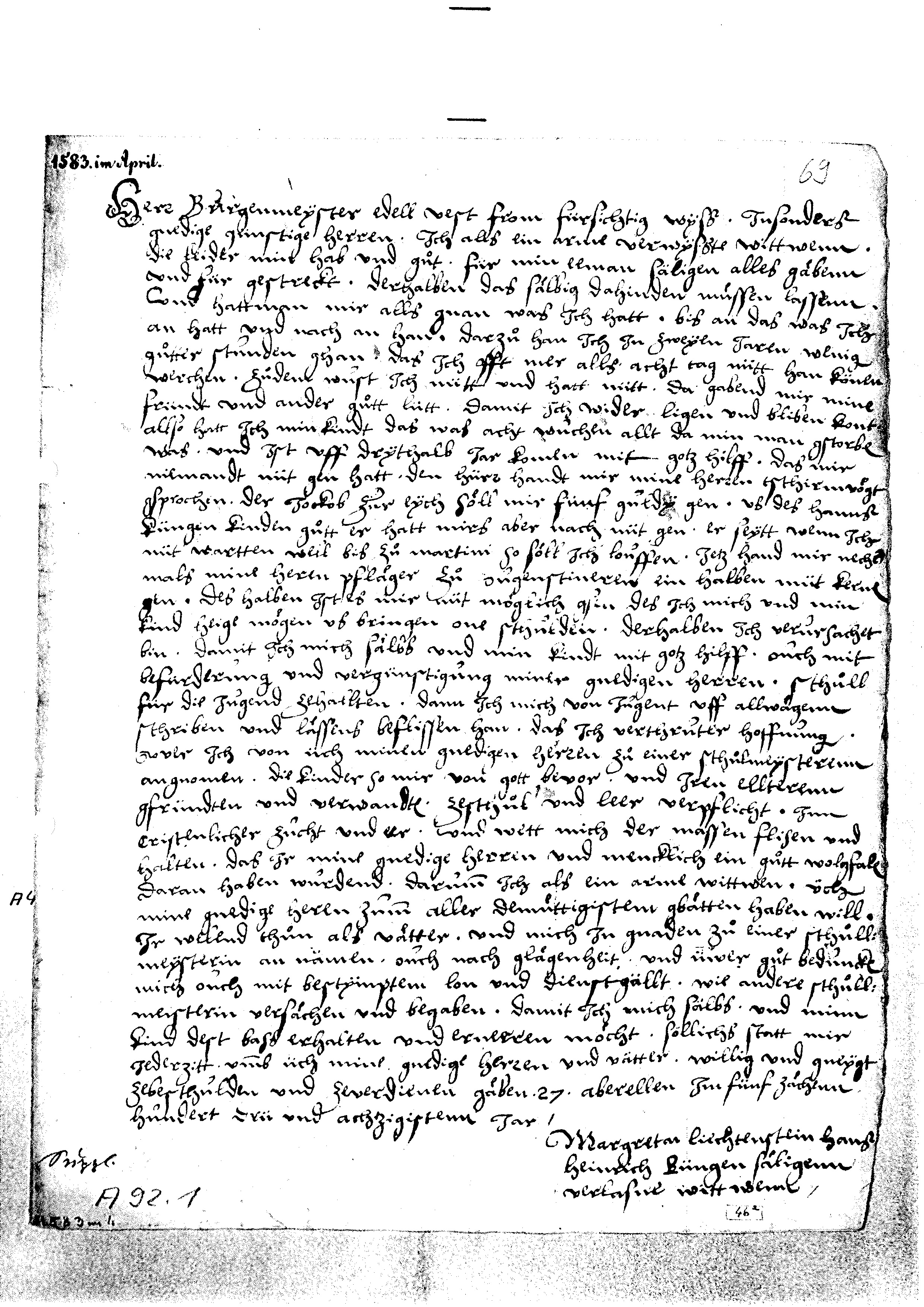
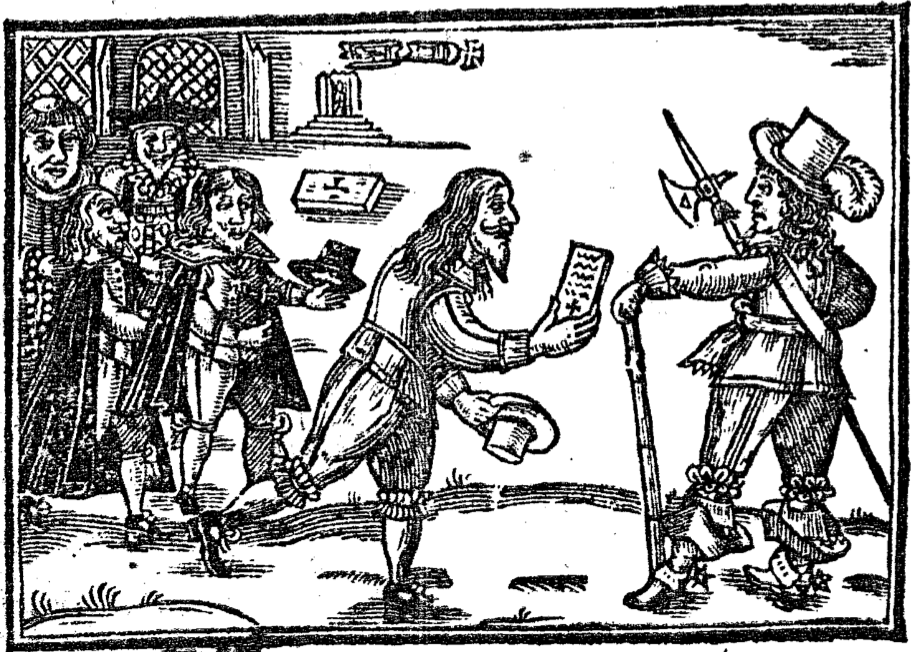
Lobbying happened in two ways: direct, with the aim of convincing the political mandataries[6]; and outside, with the aim of pressuring the political mandataries through public opinion.[7] Direct lobbying can be studied through petitions, correspondence, presentations, journals and social capital.[8] Outside lobbying is studied through petition drives and pamphlets.[9] Petitions have been largely neglected in Dutch historiography – both in relation to the Atlantic and as a means of studying lobbying.[10] A study of the mechanisms of lobbying treats all of the different sources not just as repositories of historical facts, but analyses the function that these objects had for the individuals that created them. Continue reading
 the many-headed monster