
Jonathan Willis
(For the first, introductory post in the series, click here)
After the Second, it is probably the Fourth Commandment that has received the most attention by historians, because it outlines what became one of the key priorities of Protestant (and specifically Puritan) piety: the observation of the Sabbath.[1] The Fourth Commandment was also the longest in the Decalogue:
Remember the sabbath day, to keep it holy. Six days shalt thou labour, and do all thy work: But the seventh day is the sabbath of the LORD thy God: in it thou shalt not do any work, thou, nor thy son, nor thy daughter, thy manservant, nor thy maidservant, nor thy cattle, nor thy stranger that is within thy gates: For in six days the LORD made heaven and earth, the sea, and all that in them is, and rested the seventh day: wherefore the LORD blessed the sabbath day, and hallowed it.
The Sabbath was a potentially controversial and complex notion for several reasons. As it had been instituted for the Jewish people in the Old Testament, the Saturday Sabbath was counted as part of the Ceremonial Law along with other ritual aspects of Judaism, such as the dietary requirements that forbade the eating of pork and shellfish. Christian doctrine held that this Ceremonial Law had been abrogated – superseded and therefore rendered obsolete – by the coming of Christ. Many aspects of Judaism were considered to foretell important features of Christianity, such as the welcoming of male infants into the Jewish faith and community through infant circumcision as a foreshadowing of the spiritual induction into the Christian community provided by the sacrament of baptism. Once Christ had come to earth and sacrificed himself, these weak glimmers of true religion were replaced by the blinding light of the gospel. Continue reading
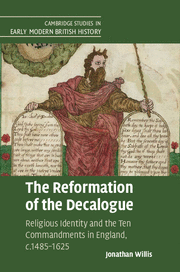 It is one of the arguments of
 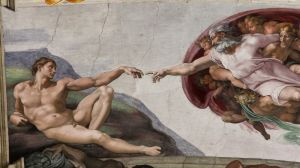 What this commandment required, however, was nothing short of true faith. The first component of faith was knowledge. The future bishop of Llandaff, Exeter and Worcester, Gervase Babington, wrote in his very Fruitful Exposition of the Commaundements in 1583 that the knowledge of God was declared by the magnificence of his creation (the heavens and earth, and all the creatures therein); by his word (in the form of the scriptures); by the holy spirit which brought the knowledge of salvation; and by the conscience of man, which comforted him when he acted in a way of which God approved, and accused him and made him afraid when he committed evil deeds.
  Regular readers of this blog may or may not be aware that I’ve spent the last seven years or so researching and writing

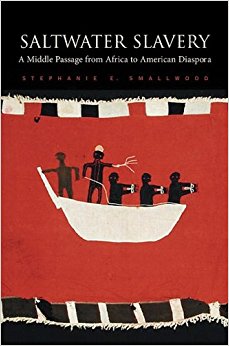 I should note a few caveats. First, I had to exclude a few excellent suggestions even from my long list as they were focused primarily on the post-1750 period, which is covered by another module. Second, there were a few publications that I don’t have access to, so I put them on a separate list too. Third, there may be errors, so let me know if I’ve miscategorised anyone. Fourth, I know that people of colour write great scholarship about all sorts of history other than colonialism and slavery, but I thought this would be a good topic to start with given the particularly egregious nature of my initial list. Finally, I’m very aware that this list is incomplete. I’d welcome the chance to update it, so please comment below with your own ideas!
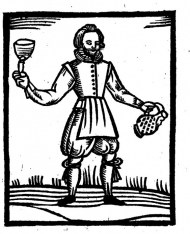 In the following half-decade ‘the monster’ grew two new heads –
  the many-headed monster