
Laura Sangha
On Tuesday 16 January, in the year of the 500th anniversary of the Reformation, the Archbishops and Canterbury and York issued a joint statement on ‘the damage done five centuries ago to the unity of the Church’. It reads:
The Reformation was a process of both renewal and division amongst Christians in Europe. In this Reformation Anniversary year, many Christians will want to give thanks for the great blessings they have received to which the Reformation directly contributed…
…Many will also remember the lasting damage done five centuries ago to the unity of the Church, in defiance of the clear command of Jesus Christ to unity in love. Those turbulent years saw Christian people pitted against each other, such that many suffered persecution and even death at the hands of others claiming to know the same Lord. A legacy of mistrust and competition would then accompany the astonishing global spread of Christianity in the centuries that followed.
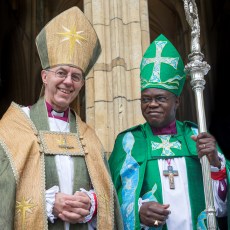
For a Reformation historian this was a fascinating moment. It was also humorous (in a sort of bitter, 2017 way), since the Daily Mail immediately took offence at this show of remorse, declaring that since Henry VIII’s ‘war with the Pope’ began 500 years ago, and that it wasn’t even a required subject for the National Curriculum, it was hardly a ‘burning issue’. Ann Widdecombe, a former Tory minister and Strictly Come Dancing Star provided a quote, saying:
These gestures are pointless. The Archbishop has not put anyone to death, as far as I know… Modern Christians are not responsible for what happened in the Reformation… You might as well expect the Italians to apologise for Pontius Pilate.
I’m looking forward to discussing all this with my students this term. There’s certainly a lot to be said of the way that the media are reporting this statement as an ‘apology’, as well as to ponder in the emphasis on unity and the healing of past divisions. Of course, Widdecombe is right that modern Christians are not individually responsible for what happened in the Reformation, but I disagree with the implicit argument underpinning the Mail article, that the Reformation is ancient history, and nothing to do with ‘us’. Since our understanding of the past and of where we came from is intimately tied to the way we conceptualise our contemporary identities, the way that we think of and interpret that past has a direct and immediate importance for the present. Members of the Church of England today are informed by, and understand their institution with reference to the past, so it seems appropriate to reflect on the evolution of the Church and to reconsider contemporary responses to it in this anniversary year. Continue reading

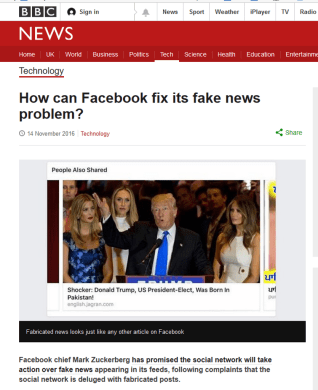 that fake news is something new and something alien to the ‘traditional print media’. In fact, the pattern of user-generated news that we see on contemporary social media platforms is closer to the original pattern of dissemination of news in the first age of print.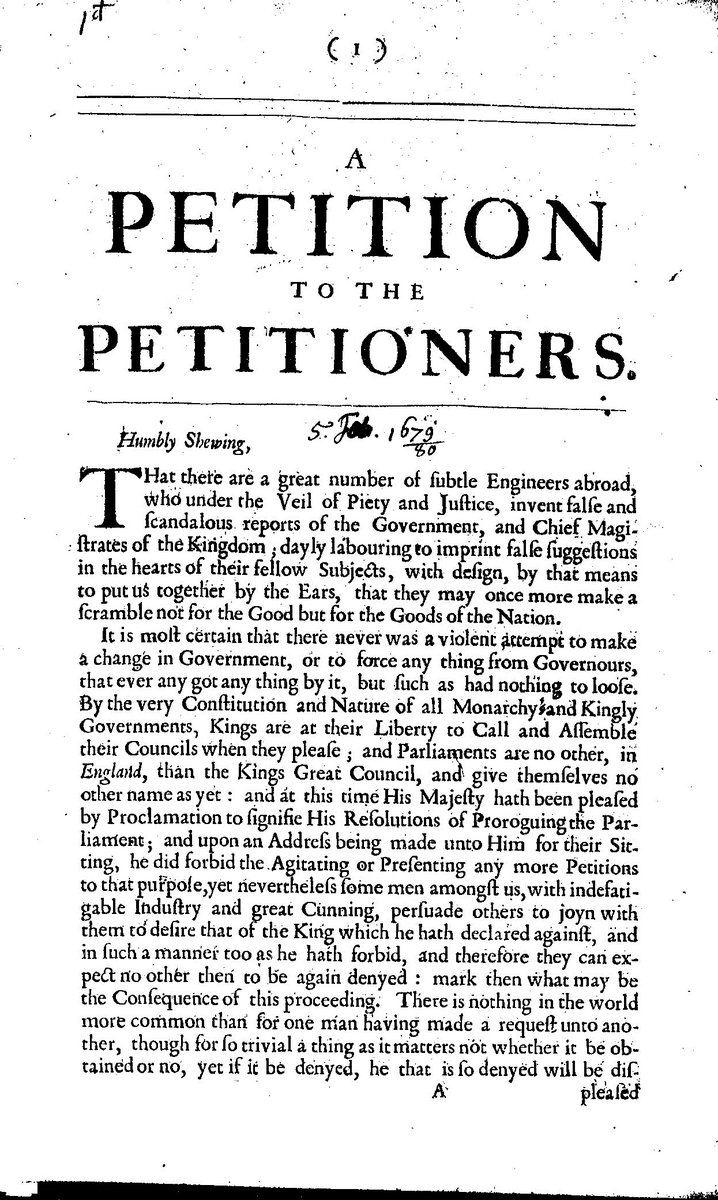
 the many-headed monster