
Brodie Waddell
The world of UK universities has changed dramatically in the ten years since our first post appeared on the Many-Headed Monster, and it feels like the pace of change has recently accelerated.
So, while my co-bloggers are looking back at hangovers, Marxists, plebs and creative histories, I want to indulge in a bit of navel gazing. How has the role of the historian as a job been changing over the last decade? Much of my evidence comes from a sample size of one, but I think the sorts of things we’ve been talking about on the blog over the years give some sense of the wider climate.
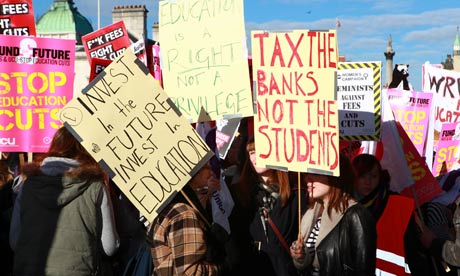
I vividly remember my own circumstances in July 2012, when we started the blog, because it was a moment of personal chaos but also optimism. I was finishing up a postdoc and had recently been offered a three-year lectureship at Birkbeck, while at the same time trying to juggle the demands of a new baby. I have no idea why I thought it would be a good time to launch a new project, but I’m glad I did. Meanwhile, things were less chaotic but also less optimistic at the national level. The UK was in the midst of the Cameron-Clegg coalition government, and it was pretty clear that universities were generally going in the wrong direction, most obviously with annual tuition fees rising from £3,000 to £9,000 that very year.
What is intriguing, however, is that there is almost no evidence of this on the Many-Headed Monster. Posts from our first few years touched on lots of different historical topics, but very little on the job itself. That said, Laura’s reflections on conferences as ‘communitas’ and my complaints about boring exam questions are probably a fair reflection of the sort of day-to-day concerns of new lecturers, then and now, even if we somehow avoided mentioning the fact that we were then all currently or recently precariously employed. The closest we came to dealing with our jobs directly was ‘The Future of History from Below’ symposium in 2013, which included reflections on who we were writing for and why, an issue that we would now probably call ‘public history’, but which was barely discussed in academic circles just ten years ago. A couple years later, Laura set out her thinking on ‘What is history for?’ which again highlighted how we were increasingly questioning the purpose of our discipline in the wider world.
Continue reading

 the many-headed monster