Unknown's avatar

About Brodie Waddell

Brodie is a Lecturer in Early Modern History at Birkbeck, University of London.

Early modern history after Hobsbawm

Brodie Waddell

Eric Hobsbawm was not an early modernist. Although he wandered into the seventeenth century every once and awhile, his scholarship was focused on the nineteenth and twentieth centuries. Yet it would be unjust to dismiss him as irrelevant. Not only did he come up with some of the key concepts used by early modernists – such as ‘primitive rebels’, ‘invented traditions’ and even ‘the general crisis of the seventeenth century’ – he also very publically wrestled with the problem of politically informed and socially committed history.
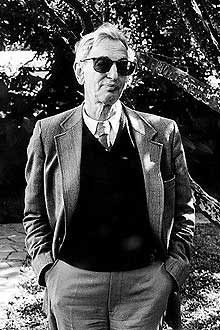
The dude abides

The dude abides

Two weeks ago, a truly extraordinary gathering of historians met to explore these issues at the ‘History After Hobsbawm’ conference in London. I don’t exaggerate when I say this was a remarkable group – Sam Wetherell suggested the line-up was ‘like the Glastonbury of modern British history’, which seems about right. The result was a lot of great conversations at the event, online and of course at the pub afterwards. There are a bunch of reports, reviews, podcasts and tweets collected at the conference website.

I wanted to draw attention to a few of those pieces written by early modernists that may be of interest to our readers. If you have any comments or questions I’d encourage you to put them here as there are no comments on the conference blog. I’ll pass comments here on to the authors.

The ‘spectres of Marx’ that haunted many of the conference conservations were very visible in the commentaries from early modernists. Hillary Taylor discussed how Jane Whittle, Andy Wood and Lucy Robinson dealt with issues such as ‘class’ before the industrial revolution and ‘primitive rebels’ outside of formally organised protests. She suggested that some ‘ecumenical sampling’ of Marxist analysis – by both Marx himself as well as less well-known thinkers like Ferruccio Rossi-Landi and Nicos Poulantzas – can still illuminate key aspects of early modern society. Mark Hailwood agreed and suggested that the label ‘post-Marxist’ might be appropriate as such an approach is neither anti-Marxist nor even strictly non-Marxist, but instead ‘picking up some of the pieces’ left behind after the ‘purgatory of the 1990s’. Indeed, he noted that many so-called Marxists – including Hobsbawm – have been doing this all along. Dave Hitchcock looked specifically at Gareth Stedman Jones’s discussion of the supposed ‘paradox’ of ‘good Marxist history’. Jones seemed to claim that Marx was merely a distraction from the strength of the longer tradition of intellectual critique that preceded him. Dave, in contrast, argued strongly that without Marx and successors like Hobsbawm historians would have a much weaker awareness of the history of social experience and of the brutal realities of material existence.

The second major theme to emerge from these discussions was the link between past and present in historical scholarship. This was perhaps most prominent in Lucy Robinson’s talk, summarised by Hillary, as it focused on the ‘history’ of the 2010 Brighton school students protest, in which the ‘historian’ was amongst the crowd! However, it is also very relevant to early modernists. Hillary, Mark and Dave all noted the power of ‘socially committed’ scholars in bringing to light previously neglected topics such as protest and subordination. Moreover, the crushing defeats of organised labour and international communism in the 1980s clearly had an effect on how historians used concepts like ‘class’: the shifting political climate directly influenced academic debates and methodologies. The panellists discussed by Robert Stearn made this very clear in their analysis of the retreat of traditional ‘labour history’ over the last generation. Here, the impact of a changing political situation are plain to see. This final point was driven home for me in the panel I wrote about, in which John Elliot, Geoffrey Parker and Sanjay Subrahmanyham talked about ‘the seventeen-century crisis’. It is not difficult to find some of the momentous events of the twentieth century – namely the Depression, the World Wars, the rise of globalisation and the discovery of climate change – shaping the way scholars conceived of early modern society. It’s often said that we can’t escape the past, but it’s clear that even historians can’t escape the present either.

There are also some earlier thoughts on Hobsbawm from me and (in the comments) Mark, Jonathan, Laura and Newton Key, that might be relevant.
Norwich Entertainments – Part VII: The science of music

Brodie Waddell

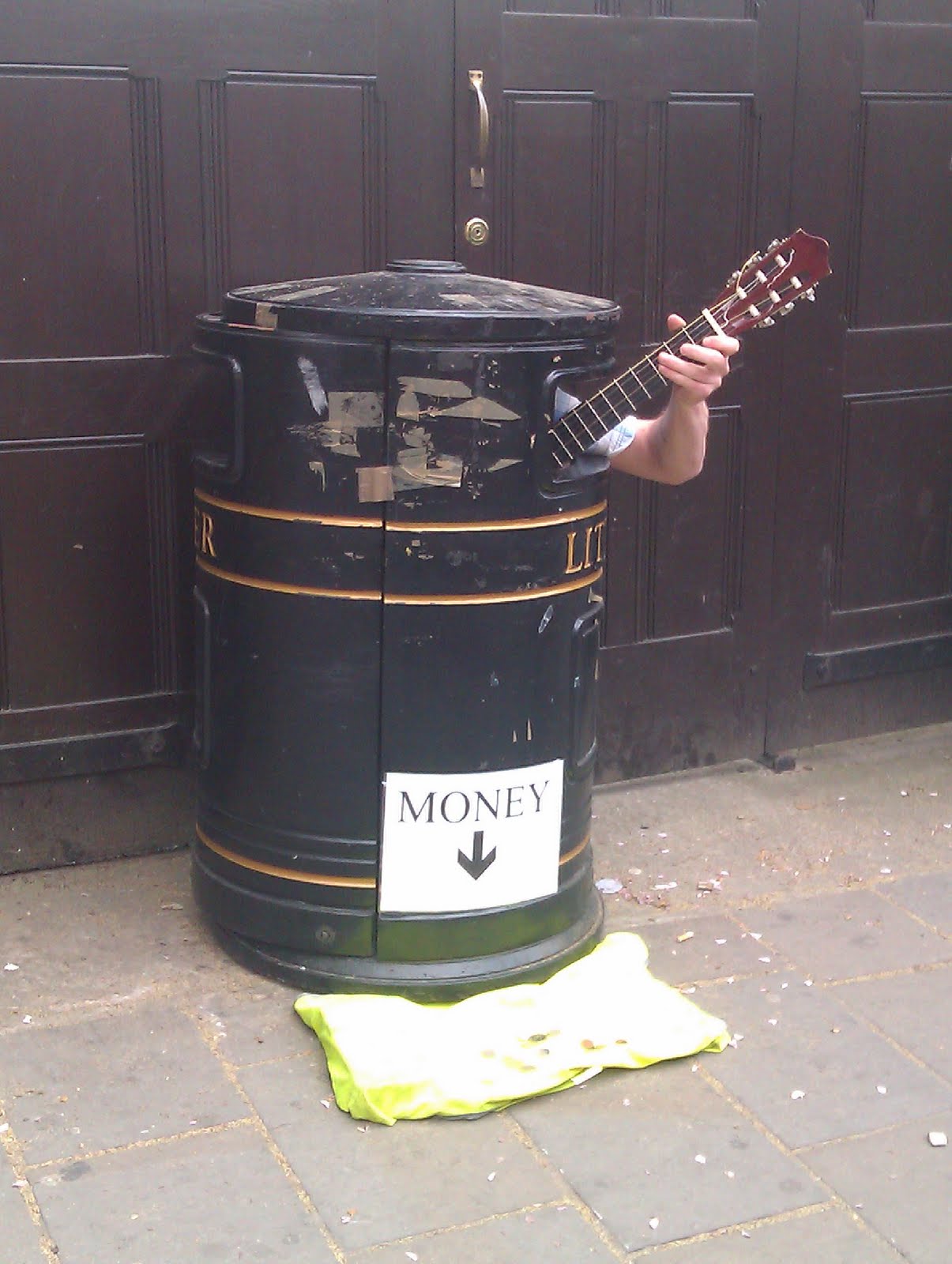
I live in Cambridge, a well-touristed little town, and when the sun is out the streets are Cambridge bin buskerawash with buskers. Some are quite good. For instance, there’s the chap who strums tunes on his guitar from inside a litter bin who always makes me chuckle even when his playing isn’t brilliant.

But there are also some that are decidedly displeasing to the ear. If only – I find myself muttering – these unmusical musicians had been sufficiently trained in the science of music. Continue reading

Measuring misery?

Brodie Waddell

In the late sixteenth century, the famed Elizabethan poor laws commanded every parish in the kingdom to relieve their poor residents though local taxation rather than private charity. By around 1800, England’s parishes were spending more than £4 million per year on poor relief.

One of my current research projects is an attempt to examine the nature of this massive expansion in formal, institutional support for the most vulnerable members of the community – that is to say, the rise of the so-called ‘parish welfare state’. I’ve been doing this by looking at the amounts spent by local officers – the overseers of the poor – in a set of sample parishes from across the country. Jonathan Healey at Oxford has been doing much the same, and we have recently decided to work together, combine our data and attempt to come up with a new analysis of this oft-noted development.

I will be discussing some of the early findings from this project at a talk on Friday, February 28th, at the Institute for Historical Research in London, so please do come along if you are interested. However, I thought I might offer one image from the talk here as I think it raises some potentially interesting questions.

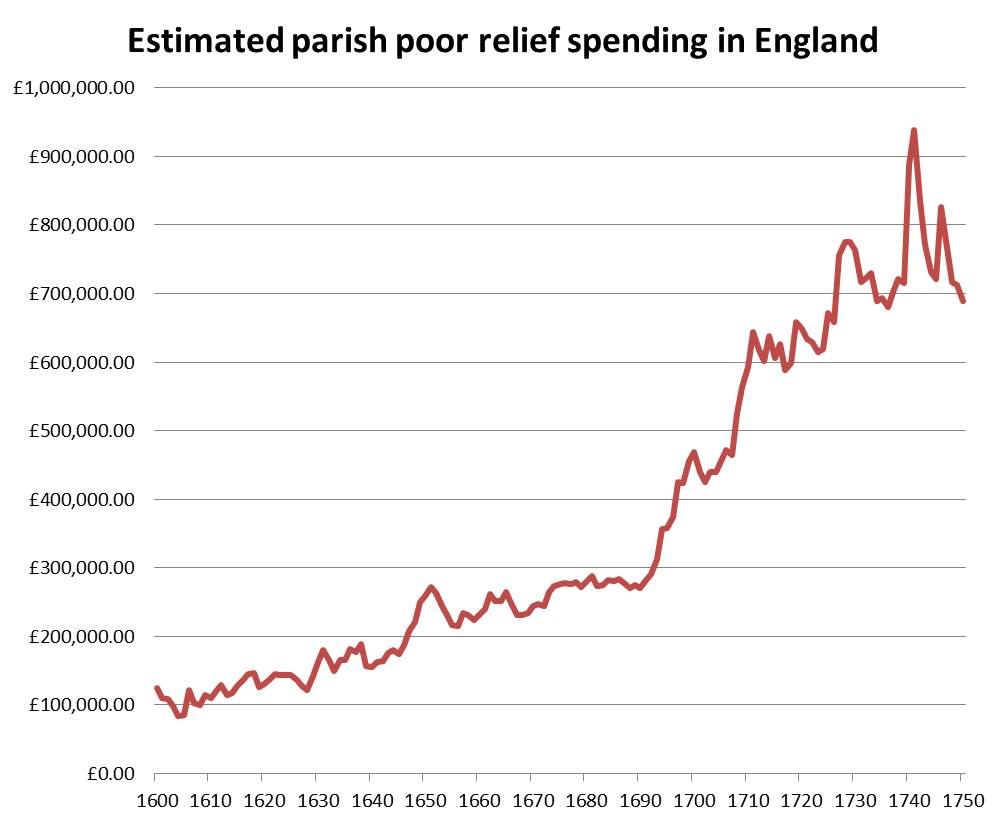
Poor relief spending, 1600-1750 (81 parishes, 24-02-14)What you see above is an estimate for national annual spending on poor relief based on my sample of 81 parishes. There are some significant methodological problems with these estimates – especially for the first few decades – that I will discuss in my talk. But, for the sake of argument, if we assume that this is actually an accurate measure of relief spending in England, the question then becomes: What does this tell us?

It seems to tell us that there was not simply steady growth in relief in the 17th and 18th centuries. Instead, we see periods of extraordinary expansion, of stability and of retrenchment. We also seem to see a shift in the trajectory of the rise sometime in the decades around 1700, when growth seems to have accelerated markedly.

Yet, this graph is also extremely opaque. There is much that it does not tell us.

For example, what about non-parochial poor relief, such as formal charitable bequests or informal personal giving? Did this follow a similar pattern? Or was it working in the opposite direction?

What, too, about regional differences? Was there similar growth in sleepy country villages as in booming industrial towns?

Even more significantly, this graph tells us little about why parish welfare was expanding in this period. Although we can speculate based what we know about the periods of greatest expansion, the raw numbers in themselves cannot reveal short-term economic pressures or changing legal contexts.

Finally, and perhaps most importantly, this bare line may obscure the nature of relief, which was after all a relationship between human beings who normally knew each other – not simply an anonymous financial transaction.

Did those who received relief actively demand it or passively accept it? Did those who distributed it do so gladly, grudgingly or fearfully – as an act of Christian charity, or out of mere legal obligation, or to stave of the threat of disorder? Was such relief considered the poor’s rightful entitlement? Or was it conditional upon their obedience and reputation for morality?

In other words, whilst this chart may offer a useful bird’s eye view of the emergence of perhaps the world’s first nation-wide welfare system, its lack of a human dimension may also actively mislead us about the nature of this system. For that, we must look to records in which real individuals – such as Mary Stevens, the 101-year-old vagrant – step out of the page to meet us.

Acknowledgements

The 81 sample parishes upon which the chart is based include 24 whose totals were generously provided by other historians. I am therefore very grateful to the late Joan Kent via Steve King (for 9 parishes), Henry French (7 parishes), Jeremy Boulton (3 parishes), Tim Hitchcock & Bob Shoemaker (2 parishes), John Broad (2 parishes) and Steve Hindle (1 parish). If you or any of your colleagues have data on parish poor relief before 1834 that you are willing to share, please get in touch!

Dead white men

Brodie Waddell

There has been rather a lot discussion on this blog of two pioneering historians: E.P. Thompson and Eric Hobsbawm.

For those of you who are keen to hear more about these two, I’d like to mention a couple of events that will be of interest. For those of you who are tired of me blathering on about dead white men, I can promise that both of these events are actually focused on the impact of Thompson and Hobsbawm’s ideas – rather than on the men themselves – and that after this post I’ll shut up about them for a while.

The first event was a panel on the legacy of Thompson’s The Making of the English Working Class (1963). The talks and discussion were recorded, and the podcasts are now freely available here. I believe the slides will also be available for download at some point soon.

There were three panellists. Professor Sander Gilman (Emory) focused on the ‘Englishness’ of The Making and the problematic place of Jews in this story. Professor Jane Humphries (Oxford) presented a wonderfully incisive look at the how the ‘sentimentalist’ and ‘pessimistic’ interpretation of the Industrial Revolution has been recently reinvigorated by rigorous quantitative research, including her own book on Childhood and Child Labour British Industrial Revolution (2011). Last, and definitely least, I expanded on some of the ideas that I had presented in my earlier piece on the future of ‘history from below’, drawing on the wider discussion in our online symposium, particularly the contributions from Mark Hailwood and Samantha Shave.

Hobsbawm image_previewThe second event I’d like to mention is the huge conference on ‘History after Hobsbawm’ that will be held at Birkbeck at the end of April. It’s going to be quite an occasion – I don’t think I’ve ever seen so many big-name ‘Munros’ from the world of history on a single programme. Although the event will partly be a celebration of Hobsbawm’s legacy, it also promises to be a forum for leading historians to tackle big issues such as nationalism, protest, class, environment, and so on. I won’t attempt to list all the speakers except to say that I’m particularly looking forward to the panels on ‘the crisis of the 17th century’ (Sanjay Subrahmanyam, Geoffrey Parker, John Elliott), on ‘Marxist and post-Marxist social history’ (Andy Wood, Jane Whittle, Lucy Robinson), and on ‘Frameworks of historical explanation’ (Peter Burke, Joanna Innes, Renaud Morieux). I hope to see some of you there.

Mary Stevens, vagrant, age 101

Brodie Waddell

On the fourth of April 1692, the city fathers of Winchester assembled at one of their splendid quarterly courts to judge criminals, hear disputes and resolve pressing civic concerns. As was often the case, one of the poor souls who found herself standing before them was an alleged vagrant. The magistrates probably examined dozens of vagrants in a typical year, but this one was a bit different – she was over 100 years old.

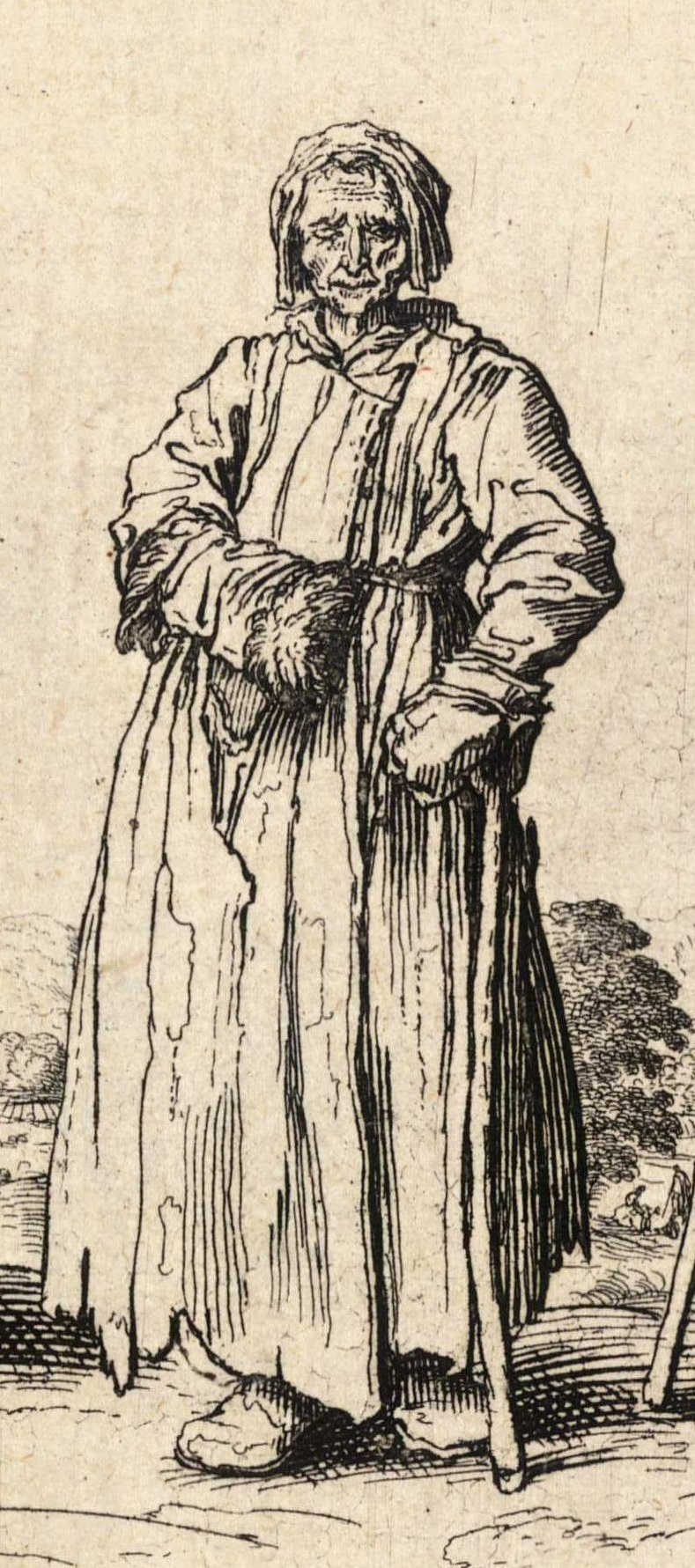
From Wenceslaus Hollar, ‘Men and Women Beggars’ (1625-77)

From Wenceslaus Hollar, ‘Men and Women Beggars’ (1625-77)

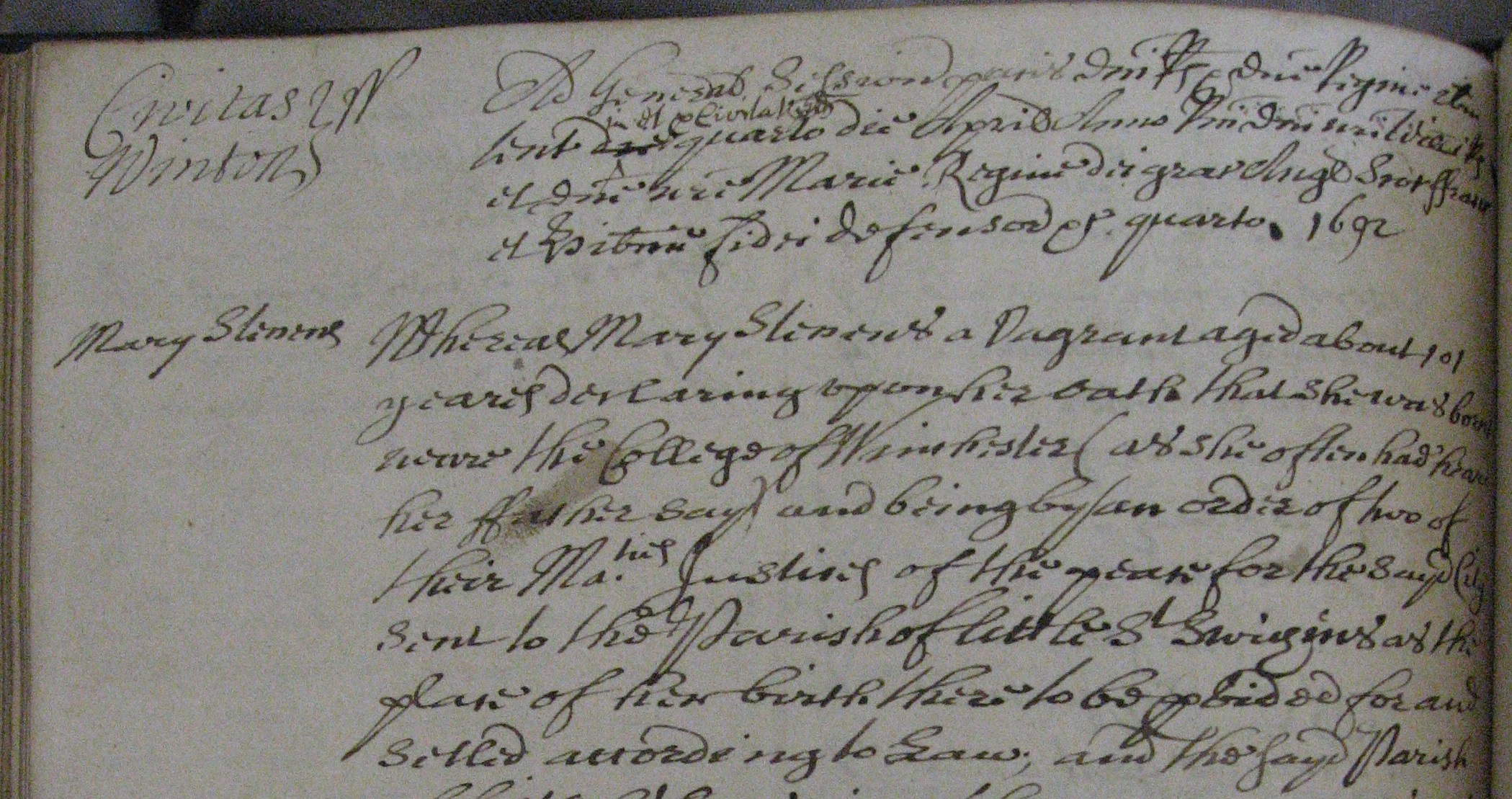
The clerk described her as ‘Mary Stevens a Vagrant aged about 101 yeares’ and noted that she swore ‘upon her oath that she was born neare the College of Winchester (as she often had heard her Father say)’.

In other words, this was a woman had apparently been born sometime around 1591, in the final decade of the reign of Elizabeth I, only a few streets away from the court where she now stood. She had outlived four monarchs and Oliver Cromwell. She had survived a decade of civil wars, another decade of republican rule, the country’s last great visitation of the plague, and then yet another revolution only three years earlier. And, given her description as a ‘vagrant’, she had probably spent many months or years on the road and seen the effects of these upheavals with her own eyes. Yet here she was, back in Winchester.

So why had she come back? The examination does not tell us. Perhaps she had come on her own accord. Or perhaps had been sent back from somewhere further afield, whether a neighbouring village or halfway across the country.

This wouldn’t have been unusual. Beggars and paupers were regularly seized by the constables and brought before the local Justices of the Peace. If they were accused of ‘vagrancy’ – a criminal offence usually defined as ‘wandering and begging’ – they could be punished by whipping or imprisonment in the local house of correction, before being expelled to their place of birth. In other cases, they might be defined as one of the ‘deserving poor’ and escape punishment, but still be sent to a ‘home’ they had long-since abandoned.

What we do know is that once Mary Stevens had arrived back in the area, she was then sent back and forth between the city of Winchester and the parish of ‘little St Swigins’ (St Swithuns) next to Winchester College, presumably just outside the city’s jurisdiction. Neither the city nor St Swithuns wanted to pay the cost of supporting her.

We can only hope that the new order issued by the Winchester authorities – sending her to St Swithuns ‘to be provided for and setled according to Law’ – was the conclusion of this petty jurisdictional argument. There she may have finally become a ‘lawfull & settled Inhabitant’.

With luck, Mary Stevens’ days of ‘wandering and begging’ were over. At age 101, she deserved a rest.

Mary Stevens, vagrant, age 101 IMG_3977Source
Hampshire Record Office, W/D3/1, fol. 79: examination of Mary Stevens, 4 April 1692

Some Further Reading
A.L. Beier, Masterless Men: The Vagrancy Problem in England 1560-1640 (1985)
Steve Hindle, On the Parish? The Micro-Politics of Poor Relief in Rural England, c. 1550-1750 (2004)
David Hitchcock (ed.), ‘Poverty and Mobility in England, 1600-1850’, Rural History, 24:1 (April 2013), special issue.
Tim Hitchcock, Down and Out in Eighteenth-Century London (2004)

E.P. Thompson’s Desert Island Discs

Brodie Waddell

E.P. Thompson had, with one or two notable exceptions, rather boring taste in music.

Thompson has always been one of my favourite historians and I’ve been learning more about him recently as 2013 marks the fiftieth anniversary of the publication of his Making of the English Working Class. We celebrated earlier with ‘The Future of History From Below’ event and I’ll be giving talks at Oxford (Nov. 29th) and at Birkbeck (Jan. 24th) on EPT’s legacy over the next few months.

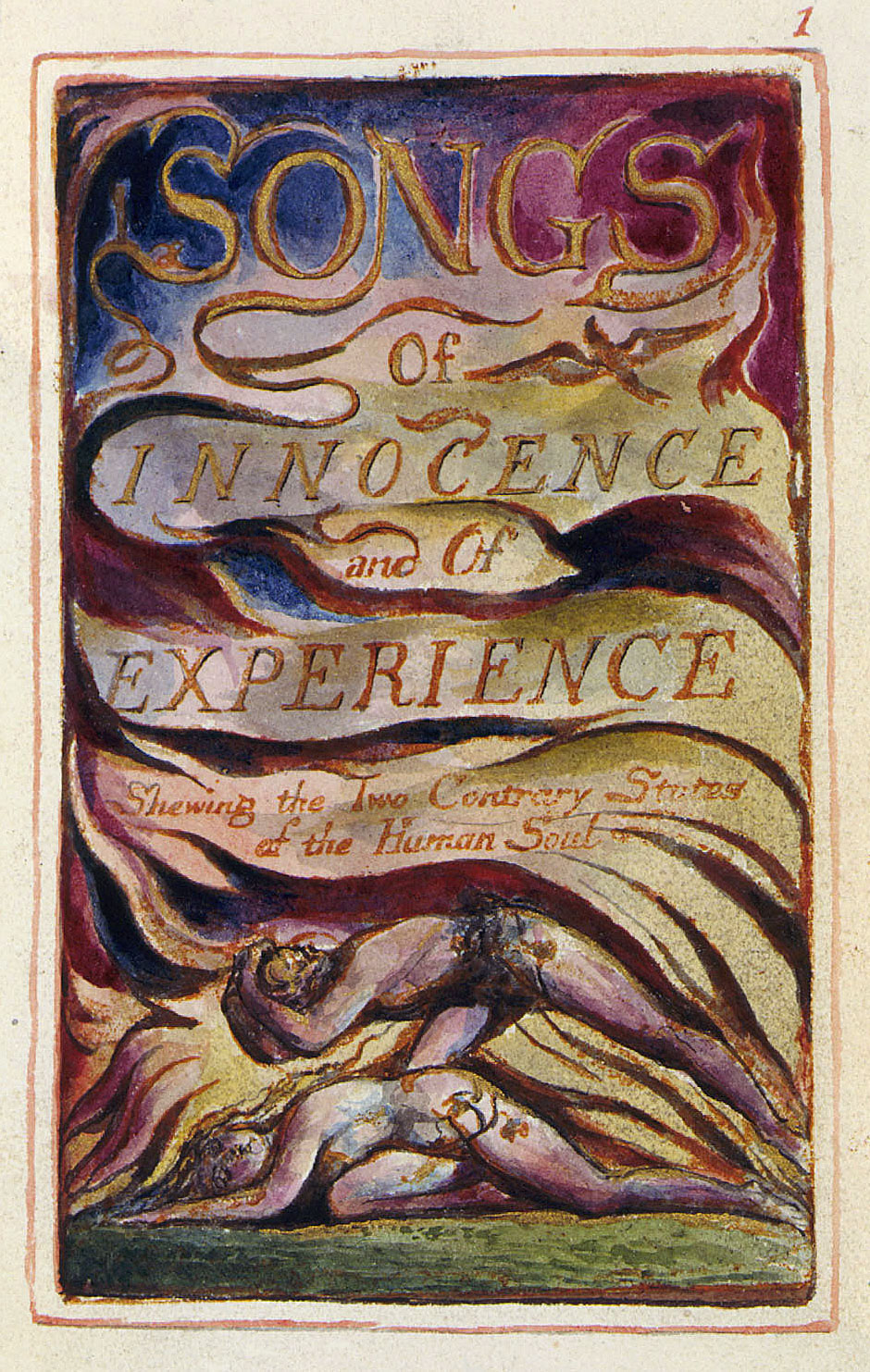
William Blake's 'Songs of Innocence and Experience' (1789): Thompson's choice of reading material

William Blake’s ‘Songs of Innocence and Experience’ (1789): Thompson’s choice of reading material

So imagine my delight when I heard – via Jonathan Healey – that Thompson had been a guest on the famed BBC programme ‘Desert Island Discs’ and that the episode was freely available online. It was broadcast in 1991, just two years before his death at the age of 69, and his health was clearly not great, but he was still very intellectually sharp and irrepressibly politically engaged.

Thompson made a couple of inspired musical choices. For instance, I was struck by the raw power of Paul Robeson, the African-American communist actor and entertainer, belting out ‘Peat Bog Soldiers’, a song composed in the Börgermoor concentration camp in 1933. Even more interesting is Thompson’s second choice. He offers a beautiful recording of Rabindranath Tragore, the Bengali poet, singing a totally transformed version of ‘Auld Lang Syne’. It’s a wonderful piece of music and a wonderful encapsulation of Thompson’s close links to India. As he says in the interview, his father was a Research Fellow in Indian history at Oxford and former Methodist missionary, with close links to the Indian National Congress. Thompson recounts a childhood memory of Gandhi visiting his family home in the late 1920s or early 1930s:

‘I was just about the height of the sideboard. My main memory of Gandhi coming was the sideboard piled with all these fruits that we didn’t usually get. But there he was, and he was doing his daily stint of charkha – spinning – in the corner of our house, and it’s a very pleasant memory.’

In light of this, it is quite easy to see how Thompson’s ideas about poverty and protest emerge not only from his extra-mural teaching in the West Riding but also from his long and deep connections to South Asia.

However, almost as notable as these two striking choices of records is – to my mind – the ‘conservative’ nature of the rest of his choices. Despite being a political radical and an incredibly innovative historian, his other six records seem distinctly nostalgic and a bit earnest. There’s some eighteenth-century Irish harp music, an unbearably miserable rendition of a Yeats poem, two well-known classical pieces and an early English Baroque song. There’s nothing particularly objectionable about any of them – with the possible exception of Warlock’s composition – but they’re hardly the inspiring music one would hope for from a man like Thompson.

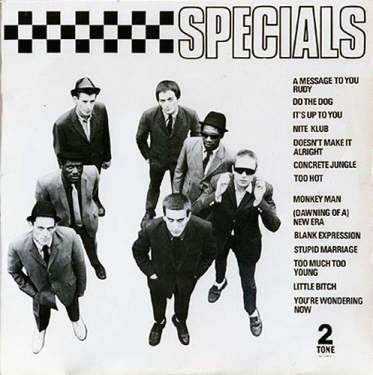
Where are the radical musicians of his own age, who often combined musical invention with a hard political edge?  Where are the Sex Pistols or the Specials or even the Rolling Stones? Was it really possible to be an activist in the 1960s and 70s without liking rock and roll?

The Specials (1979)

Sorely lacking from Thompson’s playlist.

Continue reading

The intellectual value of gaming: Sid Meier’s Civilization, Oregon Trail and a streetview of London in the 1660s

Brodie Waddell

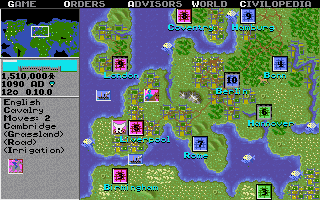
Some time ago I claimed that Eric Hobsbawm’s work was one the initial spurs that pushed me towards becoming a historian. However, it would be misleading to leave the impression that the long journey to my current profession was prompted solely or even primarily by such an academically reputable source. In fact, a larger part was probably played by a computer game: Sid Meier’s Civilization.

Look out, Romans! You’re about to get smashed by my English cavalry!

Look out, Romans! You’re about to get smashed by my English cavalry!

Continue reading

Norwich Entertainments – Part VI: Rope dancing and nine-pins

Brodie Waddell

On 1 December 1677, the Norwich Mayor’s Court granted permission for a new performer to ply her trade in the city:

Mrs Saboul Rymers hath Lycence to make shew of Dauncing upon the Rope at the Redd Lion in St Stephens for a weeke from this day.1

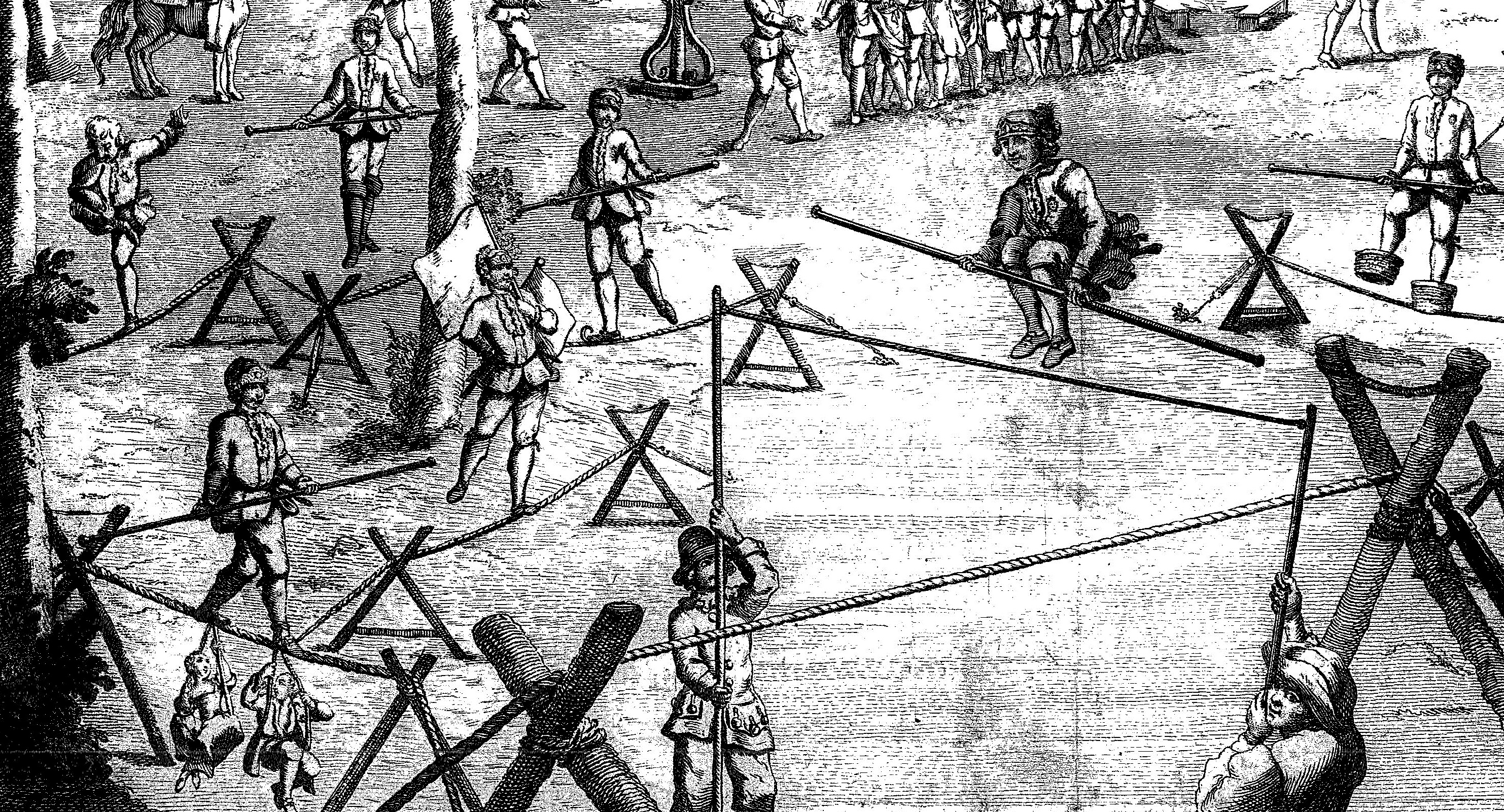
Rope dancing, now usually known as ‘tight-rope walking’, had already been a popular entertainment for thousands of years by the time Mrs Rymers arrived in Norwich. It was a common amusement in the seventeenth century, apparently beloved by rich and poor alike. The Duchess of Cleveland, King Charles II’s famous mistress, ‘greatly admired’ one these acrobats, and Samuel Pepys reported that he ‘saw the best dancing on the ropes that I think I ever saw in my life’ at Bartholomew’s Fair in 1664.

Rope dancers Continue reading

The future of ‘history from below’ symposium: concluding remarks

Brodie Waddell

Since publishing our invitation to this online symposium four short weeks ago, we’ve had over 5,000 visits from nearly 2,000 different readers.  Even more importantly, we’ve had scores of substantive comments here and on other social media. More people seem to be joining the conversation almost every day. From our perspective, then, this little experiment has been a success that has far exceeded our expectations.

We would thus like to offer our heartfelt thanks to the hundreds of you who have contributed, commented, linked, shared, tweeted and read over the past few weeks.  You’ve conclusively proven one of the key points that I was trying to make on Monday – many of the most interesting discussions about history aren’t happening in wood-panelled seminars rooms or within the pages of academic journals.

But it doesn’t end here. The beauty of this form of scholarship is that the conversation needn’t come to a close at the end of the final paper. Instead, we hope that you will continue to contribute to the discussion over the coming weeks and, in fact, indefinitely. To this end, we’ve created a stable page that can be accessed through the ‘History from Below’ link on the menu bar below our banner. This includes the introduction to the symposium as well as links to each individual piece. Alternatively, you can see all the pieces in the series through the ‘history from below event’ tag. What’s more, we’ll ensure that contributors are alerted when people offer new comments on their pieces, so they have a chance to respond.

We are also very pleased to announce that there will be more pieces on the future of history from below published later in the summer. These too will be linked on the main ‘History from Below’ page. They emerge from a second workshop we held on this topic, hosted at Cambridge and attended by some of the most eminent scholars in the field. The forthcoming pieces will include contributions from John Arnold, Christopher Briggs, Emma Griffin, Julie-Marie Strange, Selina Todd, and Andy Wood. Check back soon for more details…

Thank you again for making this such an exciting event.

Brodie Waddell, ‘History from below: today and tomorrow’

[This is the tenth piece in ‘The Future of History from Below’ online symposium (#historyfrombelow). Brodie Waddell is a historian of early modern England and one of the founders of the many-headed monster.]

We’ve won.

At least on one battlefield, ‘history from below’ has been totally victorious. The men and women who pioneered this approach had to fight hard to gain academic recognition. But today, their work is part of mainstream historical research and their subjects – poor stockingers, radical shoemakers, East End gangsters, peasant women – are warmly welcomed into the pages of academic journals. Indeed, two of the most influential journals in the profession, Past & Present (1952) and History Workshop Journal (1976), were actually founded by these once marginalised historians.

Yet winning the battle is not the same as winning the war. As other contributors have shown, many crucial struggles are still on-going. For example, female scholars continue to experience a level of discrimination in academia that limits their personal options and professional advancement. Although feminists have succeeded in making universities much less unbalanced than they were a generation ago, women are still systematically underrepresented amongst academic decision-makers. In addition, other fronts that had once seen steady progress have turned into partial reversals or outright routs. Access to higher education in Britain and North America expanded dramatically through much of the twentieth century, but the recent spike in tuition fees in England and the long-term rise in the US has made university much less affordable for students from working-class families. Worse still, this has hit part-time students especially hard, leading to a 40% fall in part-time applications since 2010 in the UK. These and other setbacks, discussed in more detail by Samantha Shave, mean that today’s advocates of a truly democratic ‘history from below’ cannot simply welcome our triumphs in research and quietly get on with our own work. We must do more. Continue reading