Unknown's avatar

About drsang

Laura Sangha is Associate Professor in Early Modern History at the University of Exeter. You can follow her on Bluesky @lsangha.bsky.social.

Aspiring to a New Jerusalem: how to reform a society, Part II

Laura Sangha

Once you start looking, it is surprising how many politicians, poets and pioneers have found the answer to the question ‘what kind of society do you want?’ in Scripture, taking as their model the New Jerusalem described by John of Patmos in Revelation. John’s ecstatic vision predicts that following Judgement Day, New Jerusalem will be the earthly location where all true believers will spend eternity with God. This heavenly society became the model that people would evoke for centuries to come. Why was it so enduring?
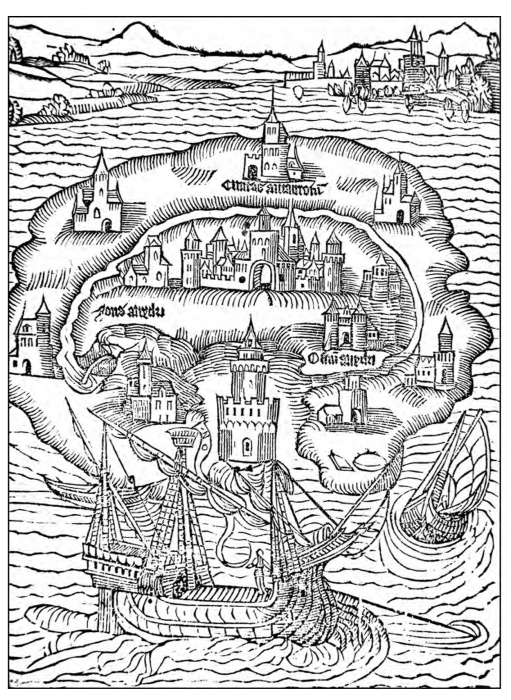
Another aspirational model - Thomas More's Utopia.

Another aspirational model – Thomas More’s Utopia.

Ideal Aspirations for All

As we saw in the previous post, the concept of a New Jerusalem is not static, it is a flexible idea that is taken up and defined according to the historical context it is used in, and in line with the intentions and aims of the person evoking it. It can be used to support the establishment of racial equality, the welfare state, or (perhaps?) resistance to industrialisation. But in each of the examples I discussed, you can see that the New Jerusalem is something to aspire to, it is an ideal society, a target, a goal. It is a place where injustice, discrimination and fear have no place, and where people can develop to the full, in co-operation with others. Continue reading
Aspiring to a New Jerusalem: how to reform a society, Part I

Laura Sangha

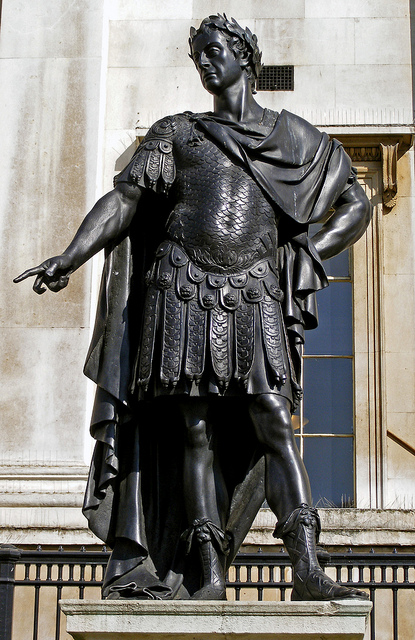
James II

James II: funny, entertaining, shocking

Since September last year, I have spent four hours a week discussing, with sixteen University of Exeter students, what it meant to be a Protestant in England from the Reformation right through to the early eighteenth century (thus partly explaining why I have had so little to say on the monster recently). Those 168 hours have been intellectually exciting (Calvinist consensus, avant-garde conformity, objects as sources), sometimes funny (‘performing’ sermons, ballad recordings, James II), hopefully entertaining (puritans vs the alehouse, museum visits, James II), perhaps dull (Ralph Thoresby’s sermon notes, burial patterns as excel spreadsheets), often shocking (king killing, Diggers, James II) and always immensely rewarding. Two central ideas have underpinned our exploration of English religious cultures of the time, encapsulated in the unwieldy module title:

‘A New Jerusalem: Being Protestant in post-Reformation England’.

Half inspired by Alec Ryrie’s excellent study of the ‘lived experience’ of Protestantism up to 1640 (Being Protestant in Reformation Britain, 2013), it is the concept embedded in the other half of the title that I want to offer some reflections on in this post. As usual a small idea rather grew in the writing, so today I will look at some examples, whilst in a second post at the end of the week I will provide some summarising thoughts. Continue reading

Memorial and History: appendix ii, further discoveries

Laura Sangha

Last year I wrote a series of posts on memorialisation and history, inspired by my discovery of Exeter’s memorial to two sixteenth-century martyrs. I uncovered the story of the two local victims remembered on the monument, the life of its colourful creator, and I explored why commemoration of religious martyrs suddenly became widespread in nineteenth and twentieth-century England. Over the summer, free from the golden reins of teaching, I found myself in two locations that provided more pieces of the puzzle.[1]

University Church of St Mary the Virgin, Oxford

DSCN5051

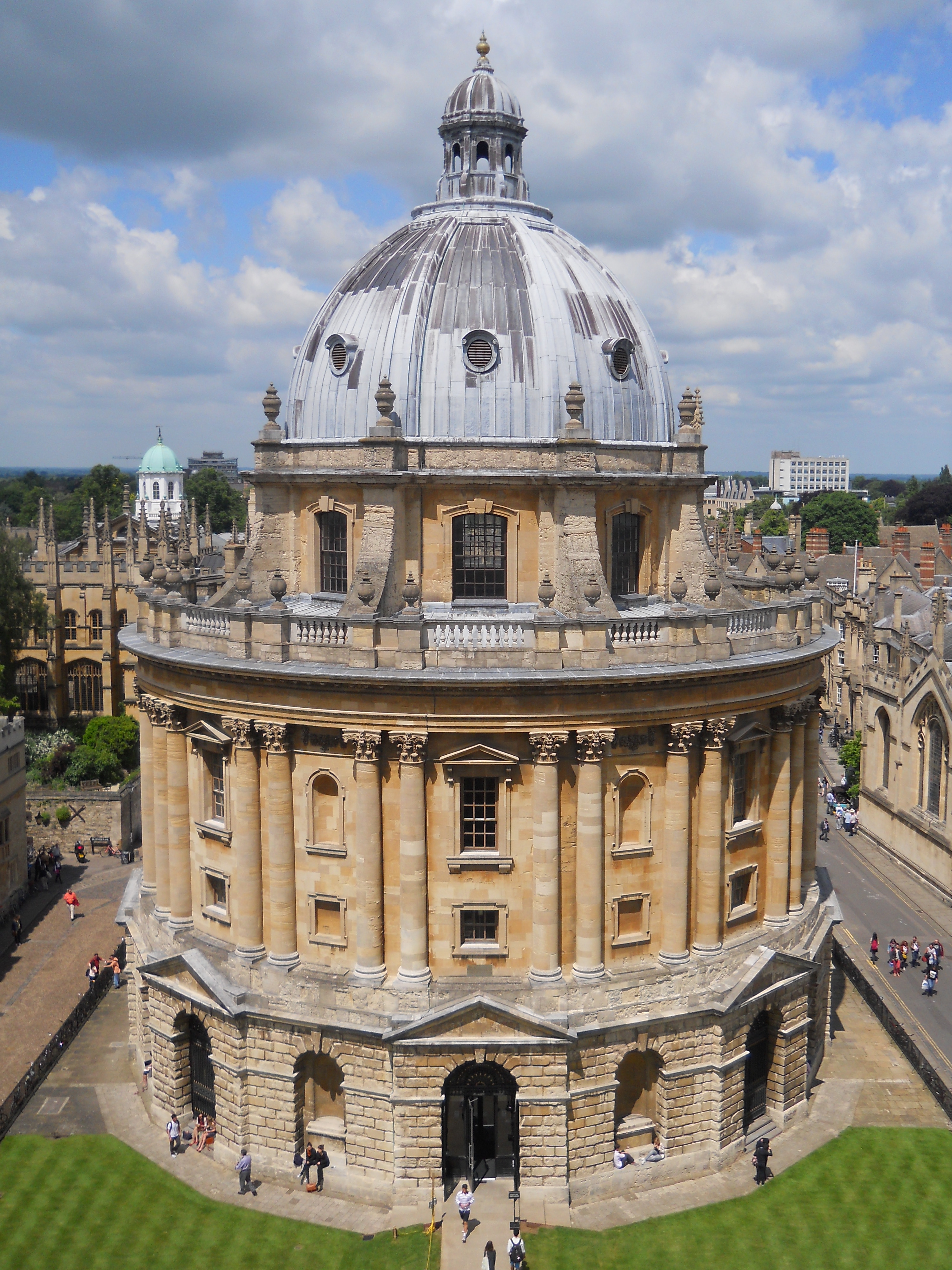
The view north from St Mary’s, looking into Radcliffe Square.

I was lucky enough to spend a week working in the Bodleian, and during a lunch break I took a tour around the University Church just opposite. In 1556 the church still functioned as a court and the first Protestant archbishop of Canterbury, Thomas Cranmer, was tried for heresy there by Mary Tudor’s Catholic government. Cranmer was one of the key architects of the early English Reformation, chiefly responsible for the 1549 and 1552 Books of Common Prayer – the latter was eventually the basis for the Elizabethan 1559 version. Cranmer refused to abjure his faith (technically he recanted, but then went back on his original recantation) and was burnt to death on Broad Street in Oxford, just round the corner from the church – and of course very close to the site of the Oxford Martyr Memorial today. Continue reading

Gunpowder, Treason and Plot III: Places and Practice

Laura Sangha

This is the third of three posts surveying the London Catholic community at the time of the Gunpowder Plot. View the first here and the second here.

Yesterday we discovered that records of fluctuating levels of persecution might in fact provide us with more information about shifting international relations and official anxieties than changing levels of commitment to Catholicism. In this final post I use more qualitative data in an attempt to flesh out our understanding of the Catholic community in London through an exploration of some of the most prominent sites of Catholic activity in the capital. Continue reading

Gunpowder, Treason and Plot II: The People

Laura Sangha

This is the second of three posts surveying the London Catholic community around the time of the Gunpowder Plot. View the first here. View the last here.

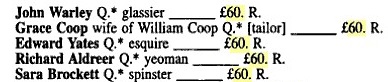
Recusant roll entry edit

Recusant roll entries can give details about social status.

Having established that there were lots of missionary priests about in Jacobethan London, my question today is: how much of an appetite was there for what Catholics were selling? We are fortunate in that recusant rolls survive for Middlesex from 1603-1625, so these provide part of an answer. Recusancy was the term applied to those who refused to attend Church of England services: from 1593 these people were punished with fines, property confiscations and imprisonment. Whilst not all people who were fined for refusing to take communion in Church were Catholics (they might be Protestant nonconformists), Jacobethan Puritans were less likely to avoid attending altogether, and more likely to attend begrudgingly, omitting parts of the service or disrupting the performance as part of a vocal protest. Records were kept of those people that were indicted, and these recusant rolls often give details about the identity and status of absentees, in the process historians have assumed that they furnish us with information about the Catholic community. Continue reading

Gunpowder, Treason and Plot I: The London Mission

Laura Sangha

This is the first of three posts on Catholics in England at the time of the Gunpowder Plot. The second, on recusancy is here. The third, on the places in London where Catholics were often found, is here.

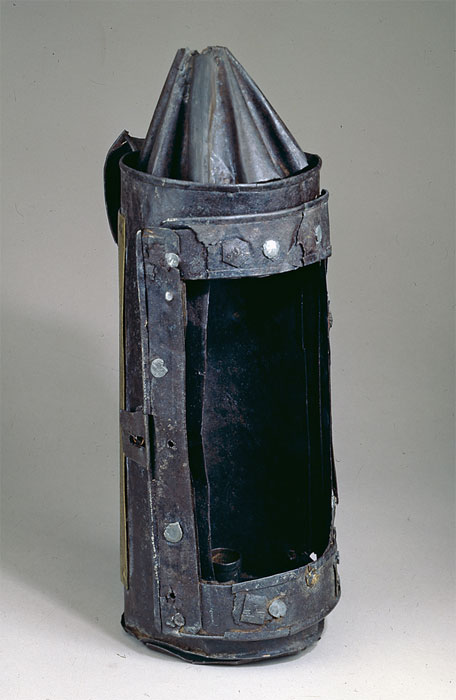
Allegedly Guy Fawkes’ lantern, now in the Ashmolean Museum

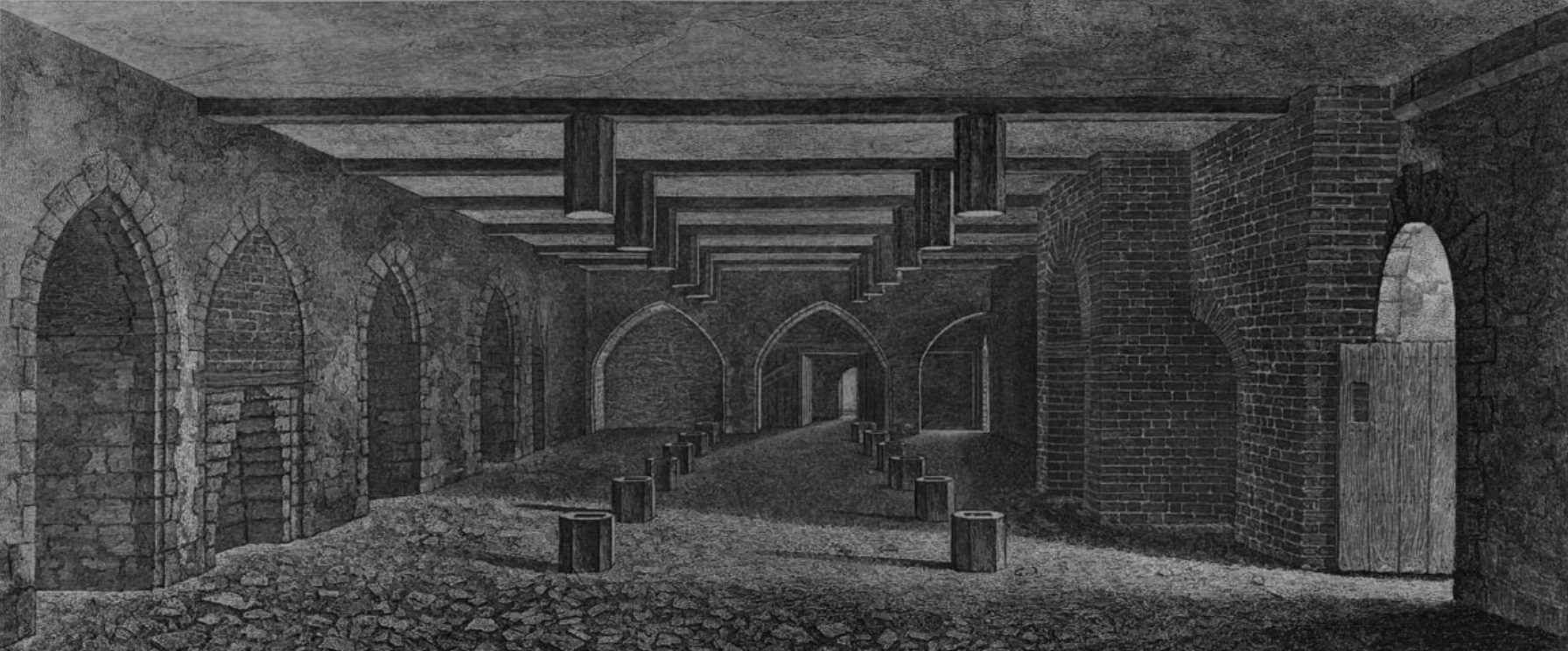
On 4 November 1605, during a search at around midnight on the eve of the state opening of England’s Parliament, a soldier by the name of Guy Fawkes was accosted by officials in an undercroft directly beneath the House of Lords. He was wearing a cloak and hat and carried a lantern, and a search of his person revealed several slow matches and touchwood. Nearby, under a pile of faggots and wood, thirty-six barrels of gunpowder were discovered. Fawkes was promptly arrested and taken to the king.

This was of course the moment at which the infamous ‘gunpowder treason’ plot was foiled, bringing to a halt the breathtakingly ambitious plan of a group of Catholic conspirators determined to reduce Parliament to rubble, to assassinate king James VI and I and his family, and to tear the heart out of the Protestant political establishment by killing in one fell swoop privy councillors, senior judges, the leading lights of the aristocracy and members of the House of Commons.

The undercroft beneath the House of Lords, 1799 engraving.

At the trial of the surviving conspirators, the Attorney-General Sir Edward Coke insisted that the plot had been invented by Jesuit priests, depraved fanatics determined to subvert the loyalty of the English people. Historians have interpreted this as part of a consistent policy on the part of James I to separate religious radicals (both ‘papists’ and ‘puritans’) from their more moderate allies, whereby he emphasised the subversive and dangerous nature of the radical fringe in an attempt to persuade their more moderate brethren of the utility and desirability of religious uniformity within the English nation. Continue reading

Fantastic Thoresby – Part IV: An archive closure, a whale and a funny friend

Laura Sangha

This is my latest post in my long running series on the pious Leeds antiquarian Ralph Thoresby. My thanks to the Yorkshire Archeological Society for their permission to reproduce material from the Thoresby papers.

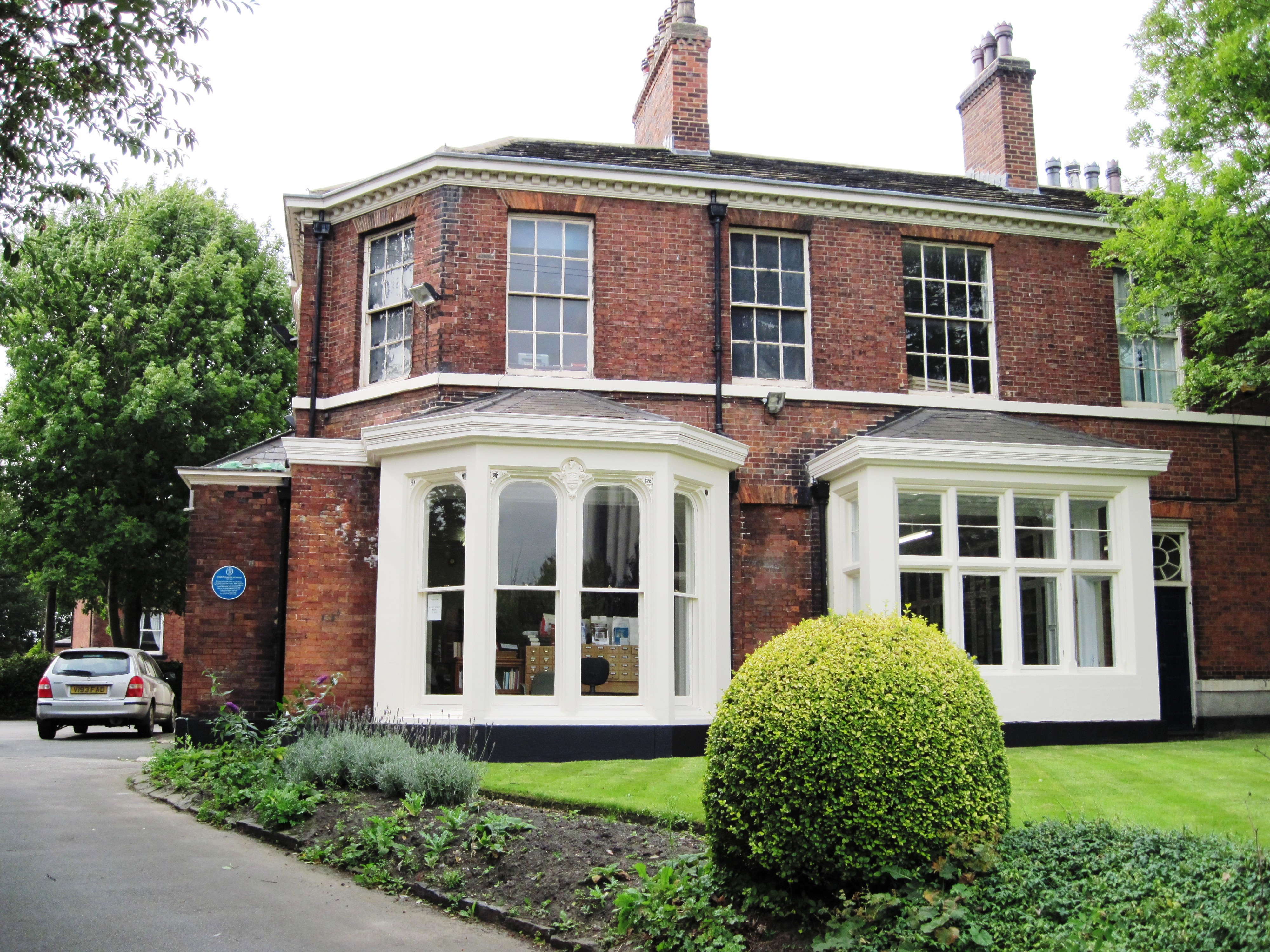
ClaremontI recently returned from an end of summer ‘smash and grab’ raid on the archive with a memory card stuffed full of hundreds of images of diary entries, correspondence and other bits and bobs from Ralph Thoresby’s papers. I consulted all of this material at the Yorkshire Archaeological Society (YAS) headquarters in Leeds, where the Thoresby Society is also currently located. Both are housed at Claremont, a splendid eighteenth-century merchants’ abode that is a delight for any student of history to work in, peaceful and accessible as it is. The staff and volunteers are very welcoming and knowledgeable, and the archivist Kirsty McHugh in particular went out of her way to accommodate me on my visit. Alas, Claremont will not provide such a salubrious environment to scholars for much longer, because lack of funds means that the Society’s Library and Historical Collections are to be moved, and Claremont is to be sold. Fortunately, the collection is to be loaned to the magnificent Brotherton Library of the University of Leeds, hopefully preserving the unique character and coherence of the whole, but nonetheless this is sad news for those who have sustained the YAS over the years, and particularly for those currently based there.

With the start of term only a week away, it is likely to be some time before I can digest the material that accompanied me back to the South West, but I did stumble across a couple of bits of found art that I wanted to share. Continue reading

Memorial and history, Part 5: in which history delivers a warning from history, and I talk about ‘feelings’

Laura Sangha

This is a final post in a short series relating to Exeter’s martyrs memorial, the others are on the following:

  1. The story of the two martyrs commemorated on the memorial, Thomas Benet and Agnes Prest.
  2. Our main source of information about Tudor martyrs, John Foxe’s Actes and Monuments, and it’s own role as a memorial to the past.
  3. Other English examples of monuments to martyrs and when and why they were erected.
  4. The remarkable Harry Hems, designer of Exeter’s monument and an important collector of historical artefacts in his own right.

In this final post I conclude with some thoughts on the ways that objects and places are invested with meaning, and the relationship between space, memory and history.

My final question about Exeter’s martyr memorial was: what is ‘Livery Dole’? The plaque on the monument stated that Thomas Benet had suffered at ‘Livery Dole’ but although I knew what an aircraft livery was, or could countenance a livery stable, otherwise I was drawing a blank. Exeter Memories came to my rescue again: Livery Dole is an ancient triangular site between what is now Heavitree Road and Magdalen Road. It was used as a place for executions – the last took place in 1818, when the unfortunate Samuel Holmyard was hanged for passing a forged City Bank one pound note.

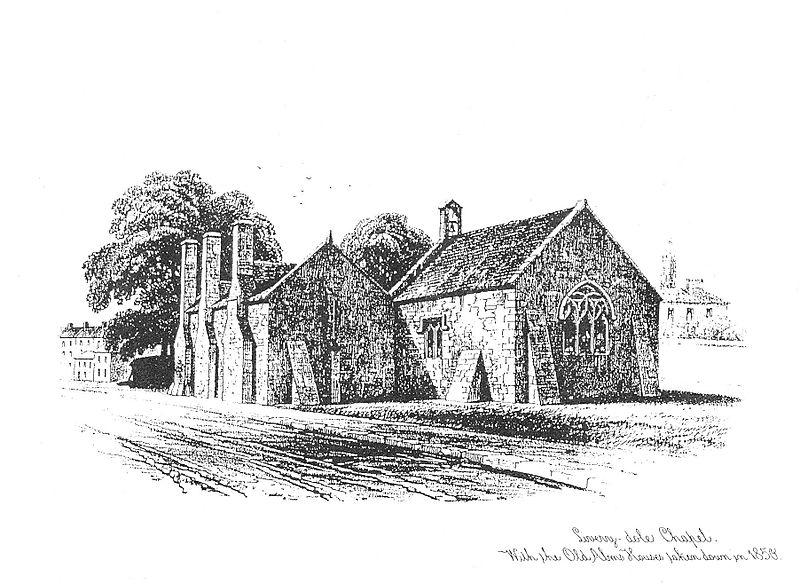
W. Spreat lithograph from 1850 showing the Dennis almshouses before they were replaced.

W. Spreat lithograph from 1850 showing the Dennis almshouses before they were replaced.

Liverydole now made sense – it meant that the Exeter memorial had therefore been erected near to the spot where Thomas Benet had been burnt to death. Hence my final post is about the meanings and significance that are attached to particular places and features of the landscape. All of the Protestant monuments that I have uncovered are erected as close as possible to the original site of the martyrdom, they are a deliberate attempt to attach particular memories to those sites, for later generations to read. Nearby, Heavitree’s almshouses represent a similar attempt to shape historical memory – they were erected in 1591 by Sir Robert Dennis, by tradition in penance for the part his ancestor had played in the execution of Thomas Benet in 1531. The ancestor in question was Sir Thomas Dennis, who had been the Sheriff of Exeter at the time and who had sentenced Benet to death. This act of charity proved that the current Sir Dennis was now firmly on the side of the true Church, unlike his unenlightened Catholic ancestor. Continue reading

Memorial and history, Part 4: in which several fights break out and a man is murdered in the Solomon Islands

Laura Sangha

This is the fourth post in a series of posts relating to Exeter’s martyrs memorial, the others are on the following:

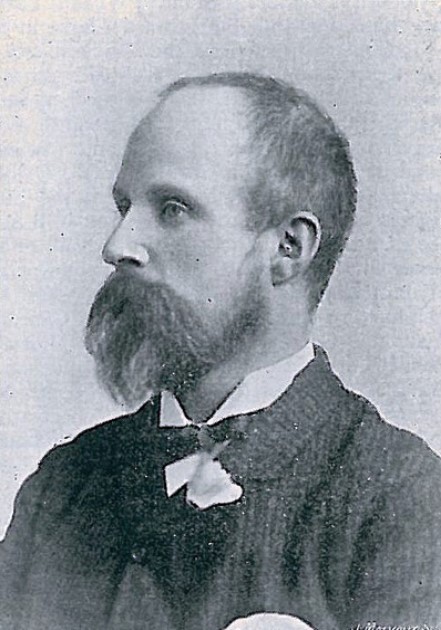
harry hems 1     ramm-04

Today’s question is – what do we know about the creation and placing of Exeter’s martyr monument? The endlessly informative Exeter memories website furnished me with more details about the city’s own specimen. Funded by public conscription, it was designed by Exeter’s Harry Hems (above), a London born master sculptor and wood carver, who made Exeter his home. Continue reading