Memorial and history, Part 5: in which history delivers a warning from history, and I talk about ‘feelings’

Laura Sangha

This is a final post in a short series relating to Exeter’s martyrs memorial, the others are on the following:

  1. The story of the two martyrs commemorated on the memorial, Thomas Benet and Agnes Prest.
  2. Our main source of information about Tudor martyrs, John Foxe’s Actes and Monuments, and it’s own role as a memorial to the past.
  3. Other English examples of monuments to martyrs and when and why they were erected.
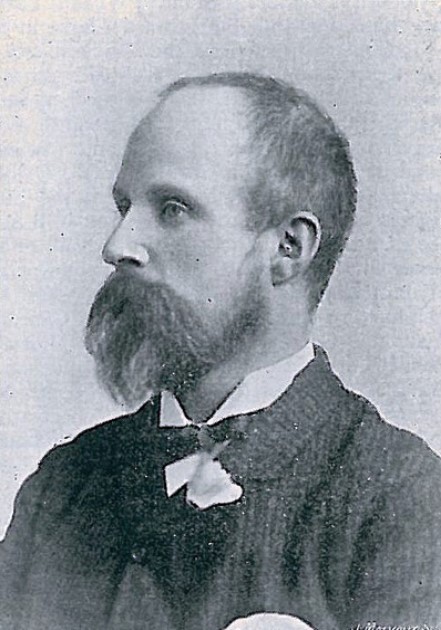
  4. The remarkable Harry Hems, designer of Exeter’s monument and an important collector of historical artefacts in his own right.

In this final post I conclude with some thoughts on the ways that objects and places are invested with meaning, and the relationship between space, memory and history.

My final question about Exeter’s martyr memorial was: what is ‘Livery Dole’? The plaque on the monument stated that Thomas Benet had suffered at ‘Livery Dole’ but although I knew what an aircraft livery was, or could countenance a livery stable, otherwise I was drawing a blank. Exeter Memories came to my rescue again: Livery Dole is an ancient triangular site between what is now Heavitree Road and Magdalen Road. It was used as a place for executions – the last took place in 1818, when the unfortunate Samuel Holmyard was hanged for passing a forged City Bank one pound note.

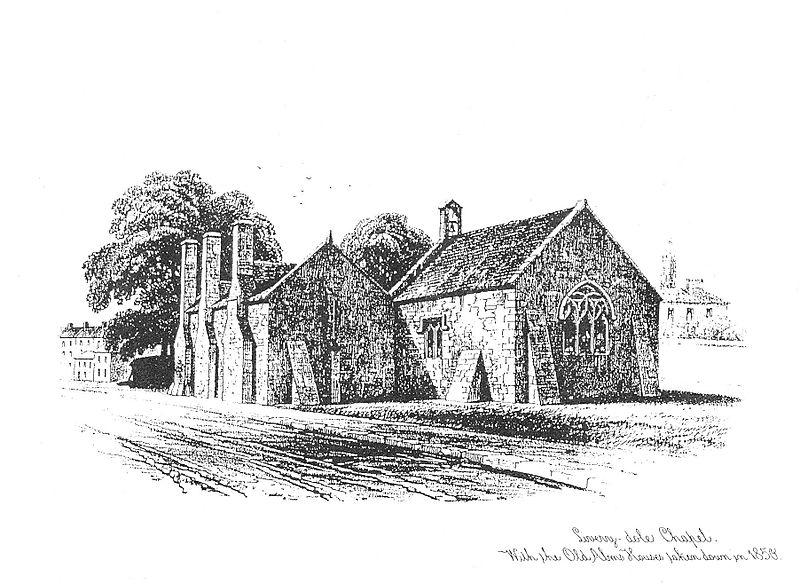
W. Spreat lithograph from 1850 showing the Dennis almshouses before they were replaced.

W. Spreat lithograph from 1850 showing the Dennis almshouses before they were replaced.

Liverydole now made sense – it meant that the Exeter memorial had therefore been erected near to the spot where Thomas Benet had been burnt to death. Hence my final post is about the meanings and significance that are attached to particular places and features of the landscape. All of the Protestant monuments that I have uncovered are erected as close as possible to the original site of the martyrdom, they are a deliberate attempt to attach particular memories to those sites, for later generations to read. Nearby, Heavitree’s almshouses represent a similar attempt to shape historical memory – they were erected in 1591 by Sir Robert Dennis, by tradition in penance for the part his ancestor had played in the execution of Thomas Benet in 1531. The ancestor in question was Sir Thomas Dennis, who had been the Sheriff of Exeter at the time and who had sentenced Benet to death. This act of charity proved that the current Sir Dennis was now firmly on the side of the true Church, unlike his unenlightened Catholic ancestor. Continue reading

Memorial and history, Part 4: in which several fights break out and a man is murdered in the Solomon Islands

Laura Sangha

This is the fourth post in a series of posts relating to Exeter’s martyrs memorial, the others are on the following:

harry hems 1     ramm-04

Today’s question is – what do we know about the creation and placing of Exeter’s martyr monument? The endlessly informative Exeter memories website furnished me with more details about the city’s own specimen. Funded by public conscription, it was designed by Exeter’s Harry Hems (above), a London born master sculptor and wood carver, who made Exeter his home. Continue reading

Memorial and history, Part 3: in which Mary Beard sits on a bench

Laura Sangha

This is the third in a series of posts relating to Exeter’s martyr memorial. The first post, contains the details of the martyrs themselves, the second, is on John Foxe’s Actes and Monuments.

What I really wanted to know about Exeter’s martyr monument, was who paid for and created it – when was it erected, how and why? A third plaque on the memorial yielded some information:

To the glory of God & in honour of his faithful witnesses who near this spot yielded their bodies to be burned for love to Christ and in vindication of the principles of the Protestant Reformation this monument was erected by public subscription AD 1909. They being dead yet speak.

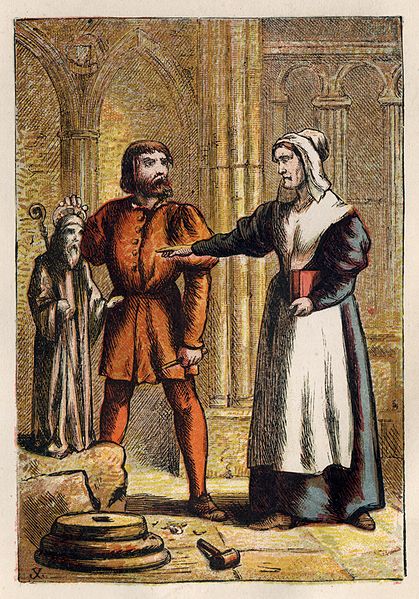
Thus the obelisk dates from the twentieth-century, which makes sense – the English Reformation was profoundly iconoclastic and it is hard to imagine money being spent on erecting monuments in an age when destruction of imagery was a mark of Protestant identity. In fact the image of Agnes Prest from the 1887 edition of Foxe that I mentioned prest and stonemasonin my previous post supports just this point. It depicts a visit that Prest paid to Exeter Cathedral, where she met a ‘cunning’ Dutch craftsmen who was apparently repairing the  images and sculptures that had been disfigured during the previous, iconoclastic reign of Edward VI. Prest supposedly said to the Dutchman ‘what a mad man art thou… to make them new noses, which within a few dayes shall all lose their heades’. In response to this rather prophetic prediction of further reform, the stonemason replied with a well thought out theological argument: ‘Thou art a whore!’. Quick as a flash, Prest replied ‘Nay, thy Images are whores, and thou art a whore hunter: for doth not God say you goe a whoring after straunge Gods, figures of your owne making?’ Continue reading

Memorial and history, Part 2: in which John Foxe reveals his sources

Laura Sangha

This is the second of a series of posts on issues relating to Exeter’s martyr memorial. The first post discusses the details of the martyrs themselves.

A monumental achievement

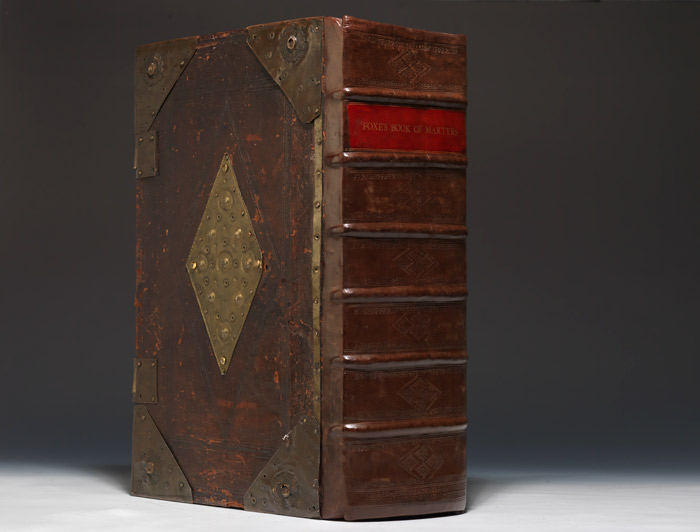
Foxe’s [?] monumental [?] achievement.

The information about Exeter’s martyrs that I related in yesterday’s post was taken from John Foxe’s Actes and Monuments, popularly known as the ‘Book of Martyrs’. Actes was first published in 1563, five years into the reign of Elizabeth I. It is a work of Protestant history and martyrology, mainly consisting of a polemical account of the sufferings of evangelicals under the Catholic Church.

I’ve previously discussed images of martyrdom on the monster, in this post I am more concerned with the text as a history of the ‘true’ Church. Continue reading

Memorial and history, Part I: in which two people meet a terrible end

Laura Sangha

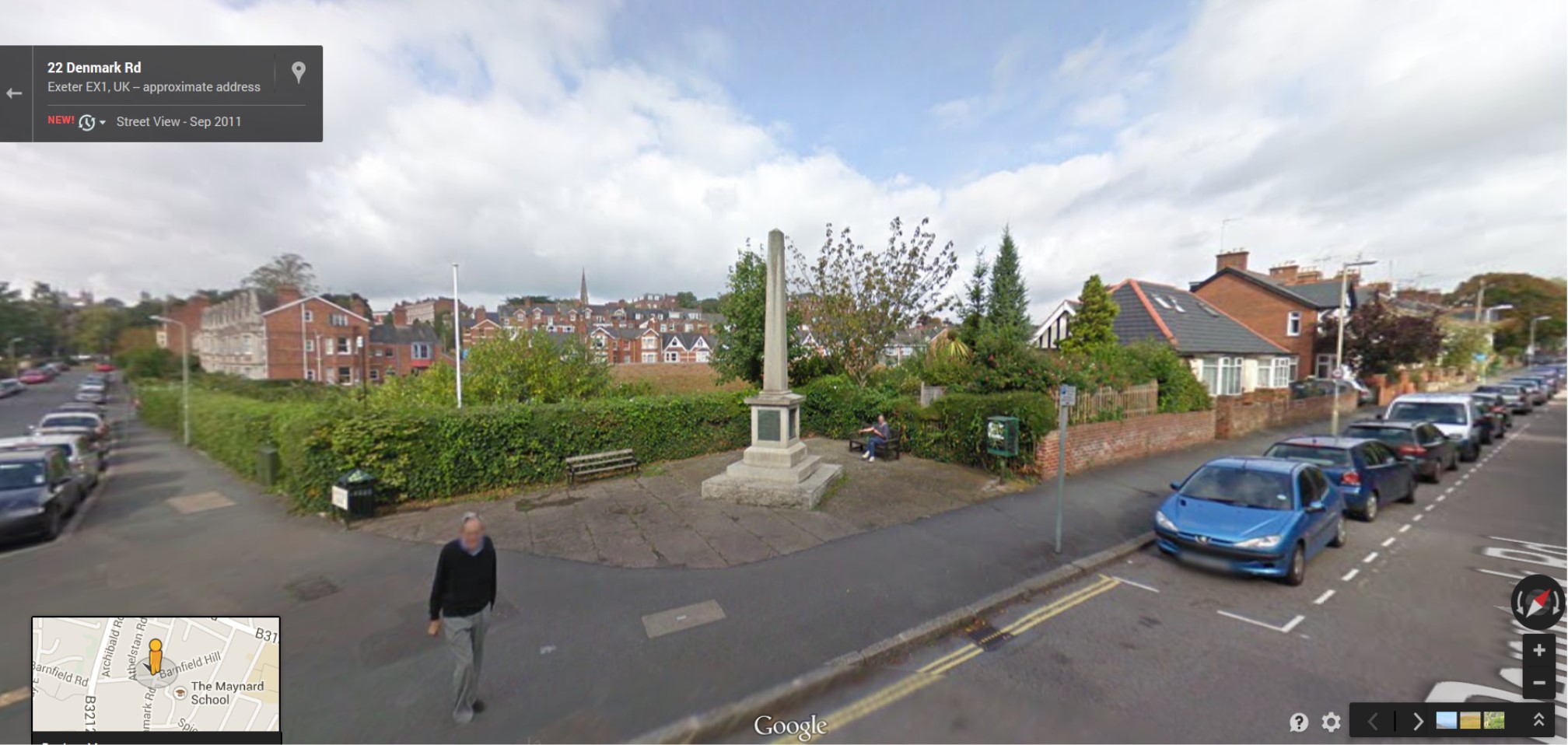
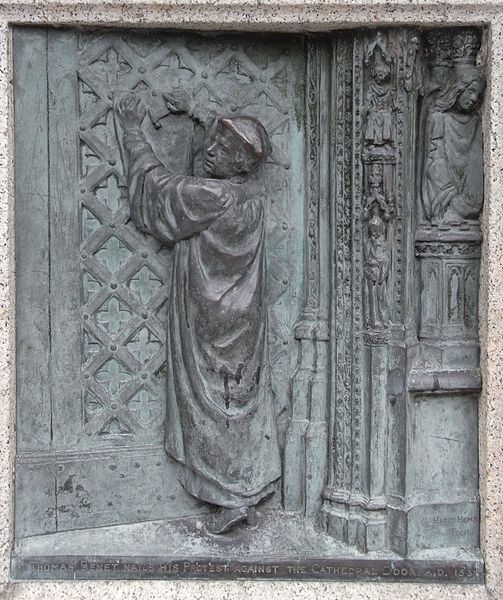
googlemapsA recent trip to the pub took me into a new part of Exeter, and on my way there I stumbled across a fascinating snapshot of its history. At the corner of Barnfield and Denmark roads I came to a memorial in the form of an obelisk of Dartmoor granite, with four bronze panels around its base. I assumed it was a twentieth-century war memorial, and went to have a closer look at the bronze reliefs – hey, I’m a historian, my profession compels me to! On examination, I was surprised to discover not a weary line thomas benet bronzeof soldiers in metal helmets, but instead what appeared to be a monk fixing a notice to a wooden door, and I didn’t need the inscription to tell me the door belonged to Exeter Cathedral – an angel from the first tier of sculptures on the West front is clearly depicted on the right hand side. What’s more, a second bronze showed a women chained to a post, clearly suffering a fiery death at the hands of the authorities. Reading the inscriptions, I realised that I had chanced upon a memorial to two sixteenth-century Protestant martyrs who had met their deaths in Exeter.

Firing up the computer on my return home, I soon disappeared down the rabbit hole of the city’s history and our memories, stories about and uses of our past. My initial idea for a brief post mutated into a series of linked musings on the tangled threads of the regional and national history, in all its venerable and unsavoury glory. I’ll be publishing one each day this week. Today I start with the story of the two martyrs commemorated on the memorial, Thomas Benet and Agnes Prest. Continue reading

The political economy of racism: the Evil May Day riots of 1517 and the rise of UKIP

Brodie Waddell

The UK Independence Party is doing extremely well in the local and European elections held across England yesterday. It is, to put it mildly, an unpleasant sort of political party. It has more than its fair share of bigots and homophobes. But it is more than simply a tribe of disgruntled nostalgics. It’s also a protest party, and its particular brand of protest has venerable linage that goes back to at least the Evil May Day riots of 1517.

The anti-immigrant violence that erupted in London at that time is sometimes dismissed as a mere race riot, emerging from hatred and hardship and nothing more. But when we look more closely at the various accounts of these events, we see that it too was a political protest. One chronicler described how Londoners saw the foreigners in their midst:

the Genowayes, Frenchemen and other straungers sayde and boasted them selfes to be in suche favoure with the kyng and hys counsaill, that they set naughte by the rulers of the citie: And the multitude of straungers was so great about London, that the pore Englishe artificers coulde ska[r]ce get any living: And most of all the straungers were so proude, that they disdained, mocked and oppressed the Englishemen, whiche was the beginning of the grudge.

Locals complained that the ‘strangers’ from overseas flouted the law with impunity, engaging in theft, kidnapping and even murder without facing the punishments that would have been meted out to a common English criminal.

The political element becomes even clearer when we examine the rioters’ main targets. The crowds of hundreds, or possibly thousands, who rushed through the streets that night did not burn and loot indiscriminately. Instead, they attacked the house of a French merchant who was also a royal secretary, the homes of alien artisans at a site officially designated for foreigners, and two ambassadors who were supposed to be under the king’s protection. When the rioters were captured, at least 15 were hanged, drawn and quartered for ‘treason’ because their attacks on the strangers had ‘broken the truce and league’ between Henry VIII and the other princes of Europe.

So, in the eyes of Tudor Londoners, what made these immigrants so dangerous was the apparent alliance between ‘the multitude of straungers’ and ‘the kyng and hys counsaill’. That is to say, the foreign threat came not from poor or marginalised immigrants but from outsiders who enjoyed special privileges and had the support of the political elites.

It would be easy to multiply such examples by looking at other moments of heightened anti-foreigner sentiment in early modern England. One could cite, for example, the opposition to King James I’s favouritism towards his fellow Scots, the francophobic riots of Charles II’s francophile reign, or the anti-Dutch sentiment that bubbled up after William III took the throne in 1689. In each case there were very real resentments about the apparent social and economic impact of immigrant groups, but these were combined with a sense that the current political regime was in league with the foreigners.

UKIP posters

A forlorn British worker, supposedly abondoned by Europhile political elites, and a big pointy hand.

UKIP offers a very similar argument. Unlike the BNP, its ideology is not built purely from racism. Instead, it incessantly attacks ‘the political establishment’ in Westminster and in Brussels for compromising British sovereignty by granting special privileges to immigrants. According to Nigel Farange, UKIP is simply providing voters with a weapon with which to attack this two-headed monster: ‘They [the voters] have made the connection. It took me bloody years to get immigration and Europe together, but I knew at the local elections this year it was now the same thing.’

Racism, then, is certainly an important ingredient in UKIP’s noisome ideology but it is not the only one. If we want to understand and counteract the rise of this dangerous party, we need to acknowledge that a vote for UKIP is as much a protest against the failures of Britain’s governing class as it is an anxious reaction against newcomers.

Sources

The events of 1517 are described several primary sources, all of which are freely available online: the chronicle of Edward Hall (1904 edition, edited by Charles Whibley, pp. 153-64, quote at 153-4), the chronicle of the Grey Friars and the Calendar of State Papers, Venetian.

Grave-robbing and heritage: the problem of conserving the past – Part 2

Laura Sangha

In the first post of this heritage double-header, I discussed my recent visit to Sir John Soane’s Museum – a trip that raised a number of questions about the best way to preserve the past, and the difficulties of doing so. Here I continue the theme by drawing out some key areas and offering some possible solutions:

Open access to the past – no doubt we would like all archives and historical artefacts to be freely available to the public, but that is hardly practicable. In reality open access damages the relics of the past and shortens their life span.
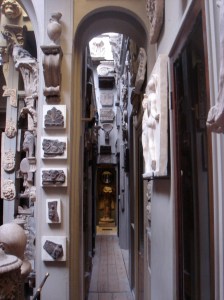
Do the Soane’s museum’s limited walkways validate limited access?

Limited access to the past – do some people have more right to see collections than others? Do those who help fund preservation, or whose interest goes beyond mere curiosity (the benefactor, the architecture student, the historian) have a better claim? How can that be squared with public funding of heritage or with sites with particular national, international or global importance?

Resources – conservation is an expensive business, and rightly is not at the top of a government’s budgetary plans. One way to raise funds is to attract visitors who will spend money in the gift shop, on the guide book, or on a tour. Some collections wouldn’t survive without this income, but attracting large visitor numbers brings further preservation problems.

Meaning of preservation – surely the crux of the heritage questions lies here – why do we want to keep this stuff anyway? The past can help us to understand ourselves as a society or nation, but only if people actually encounter it. Perhaps we should limit access to a few chosen experts, whose remit is to tell other people about it? But isn’t that unfair? And who gets to choose who the experts are and polices their outputs?

Process of preservation – How do we decide what is worth protecting, especially given that historical tastes shift so dramatically over time? Something that one generation values might be seen as rubbish by the next. During the dissolution of the monasteries, manuscripts that we would consider to be priceless were used to wipe boots and wrap food in, highlighting the tendency for ritual and deliberate destruction of the past for political or propaganda purposes. What universal priorities might there be to identify what is important and to provide rules for preservation?

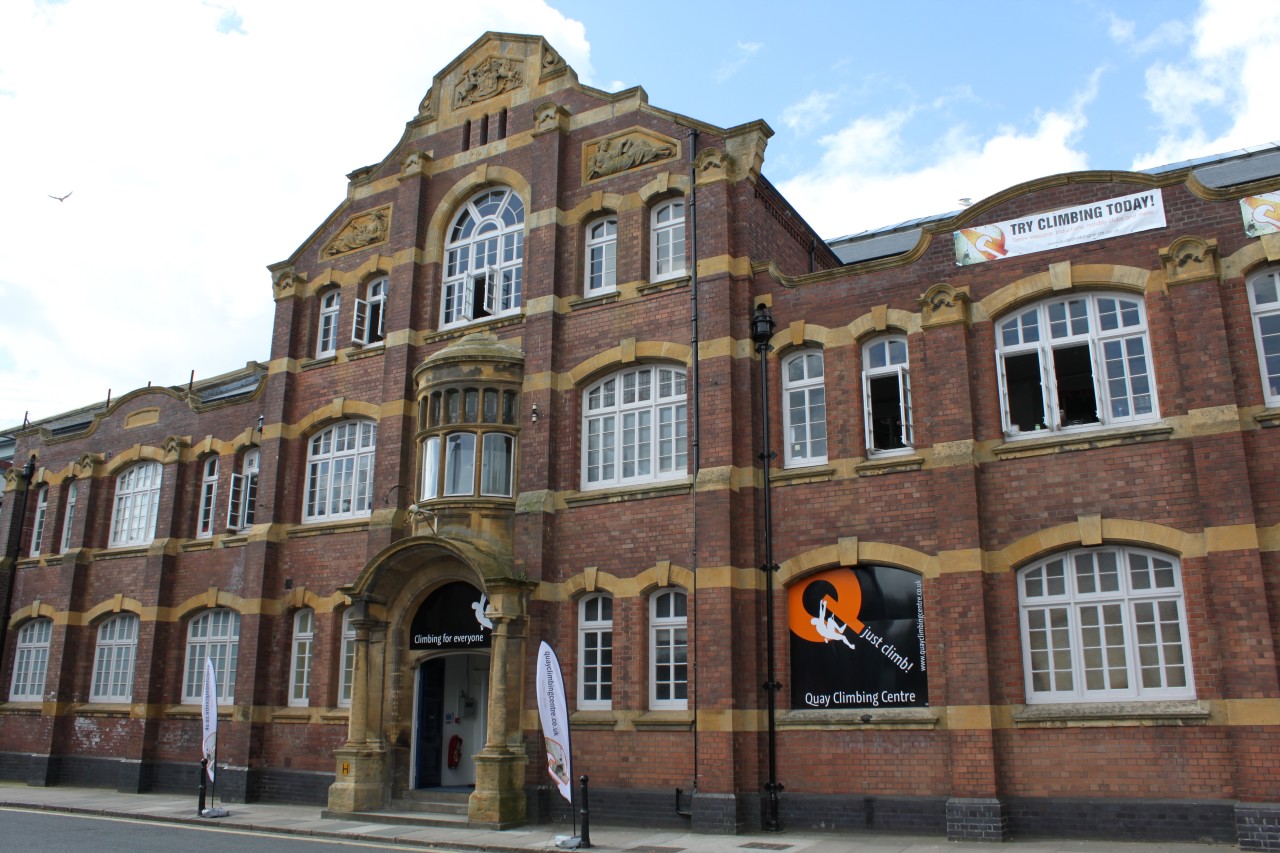
Means of preservation – a recent trend is for historically important buildings to be adapted in order to preserve them. Old meeting houses and chapels that have fallen into disuse are renovated to create characterful homes or blocks of apartments. Abandoned warehouses become nightclubs, archaic power stations art galleries. On my street in Exeter, the old electricity building has become a climbing centre – inside photographs show the interior as it used to be, and original features such as the floor to ceiling tiling can now be seen by anyone that wanders in (you don’t have to pay or climb!). Across the river the splendid seventeenth-century Custom House is now a shop, complete with original plasterwork, wood paneled walls and a sweeping staircase – again, when the shop is open then the public can explore to their heart’s content.
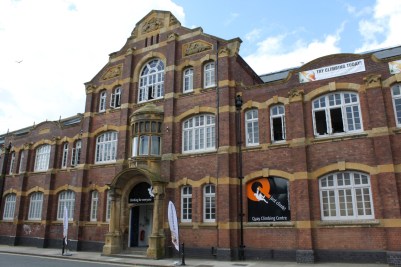
Exeter's Quay Climbing Centre breaths new life into the Old Electricity Works.

Exeter’s Quay Climbing Centre breaths new life into the Old Electricity Works.

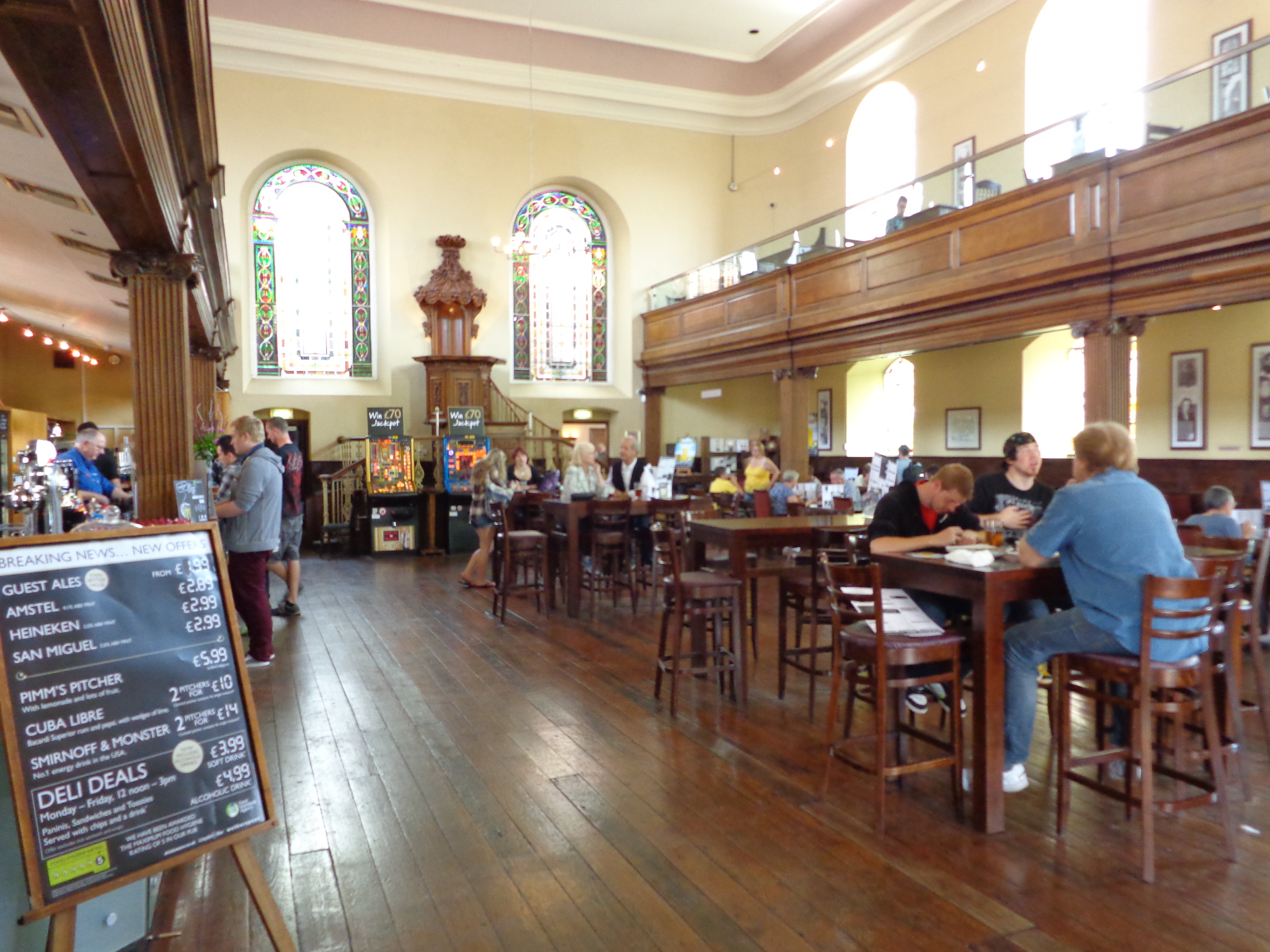
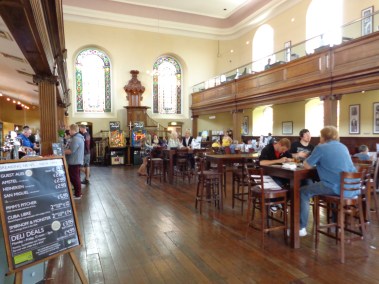
Making the past benefit the present – changing the purpose of a building is of course a compromise – it will alter the contours and function of the original, and in the case of a conversion to private dwellings, only preserves the exterior for the benefit of the public. But I have to admit to being rather sympathetic to this. Evidently we do not have the means to secure every historical monument that we would like to, and a change of purpose does give buildings a more secure future, albeit an altered one. But this is not simply pragmatic – I also think that if the social function of a building has become redundant, then it is a virtue to open the space up to a new constituency by making it useful and appealing to them. The ‘Wetherspoons’ pub chain has a strong track record here. In Exeter it has two pubs in historic repurposed buildings: George’s Meeting House with its cavernous, airy interior, splendid stained glass, twin galleries and pews, is a particular delight (even with the gaming machines that now obscure the magnificent pulpit).
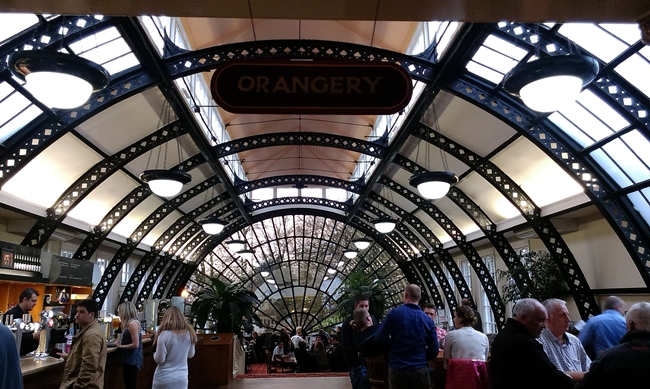
Meanwhile the ‘Imperial’ has gone through many transformations recently: originally a nineteenth-century grand private dwelling, it became a hotel in the 1920s before being bought by the chain in the 1980s. None of this has reduced the visual impact of the magnificent orangery.
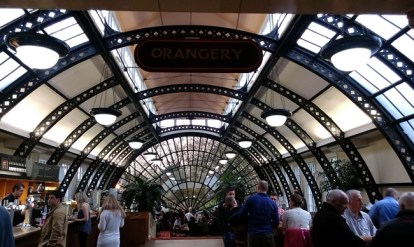
exeter imperial_orangeryAnd ultimately I am left wondering – what is the purpose of preserving something for as long as humanly possible, to the exclusion of everything else? Surely the stuff of the past is only useful if we actually benefit from it? Intrinsically it is all just bits of stone, wood and paper, lumpish and meaningless until a human actively engages with and imparts meaning to it. Isn’t it preferable that millions of people get to see Pompeii before the inevitable happens and it dissolves back into the dust, rather than pointlessly extending its life whilst nobody is allowed near it?

Thus perhaps sensitive compromise is the order of the day. To return to the Sir John Soane’s Museum, given the chance, there were things that I would have liked to discuss further with my volunteer. Currently the museum does limit the number of people allowed into the museum at any one time, but other measures might alleviate overcrowding. Could a one-way system be introduced to allow visitors to navigate the house? Maybe this could be co-ordinated with the times of guided (paid) tours to prevent blockages in the narrow walkways. For smaller heritage sites (often those most in need of cash) perhaps we should reconsider the principle that all museums are free – currently collections that are funded directly by the central government are all free to view. Yet charging admittance to some places could raise revenue and redirect the more casual tourist away to larger, better equipped, free attractions. My first post provoked lots of response from archivists and historians on twitter and this issue was raised by several people. Probably better than paid entrance is Manya Zuba’s suggestion that free viewings should be by appointment, with slots available throughout the day (short term exhibitions at various museums and galleries, including the British Museum, already use a booking system like this). As Sjoerd Levelt pointed out, this would add a threshold, ‘but one that can be ameliorated by some proper thinking about well-aimed inclusive policies’. Access would therefore be open to all, if they were sufficiently interested to plan ahead and spend the time making an appointment.

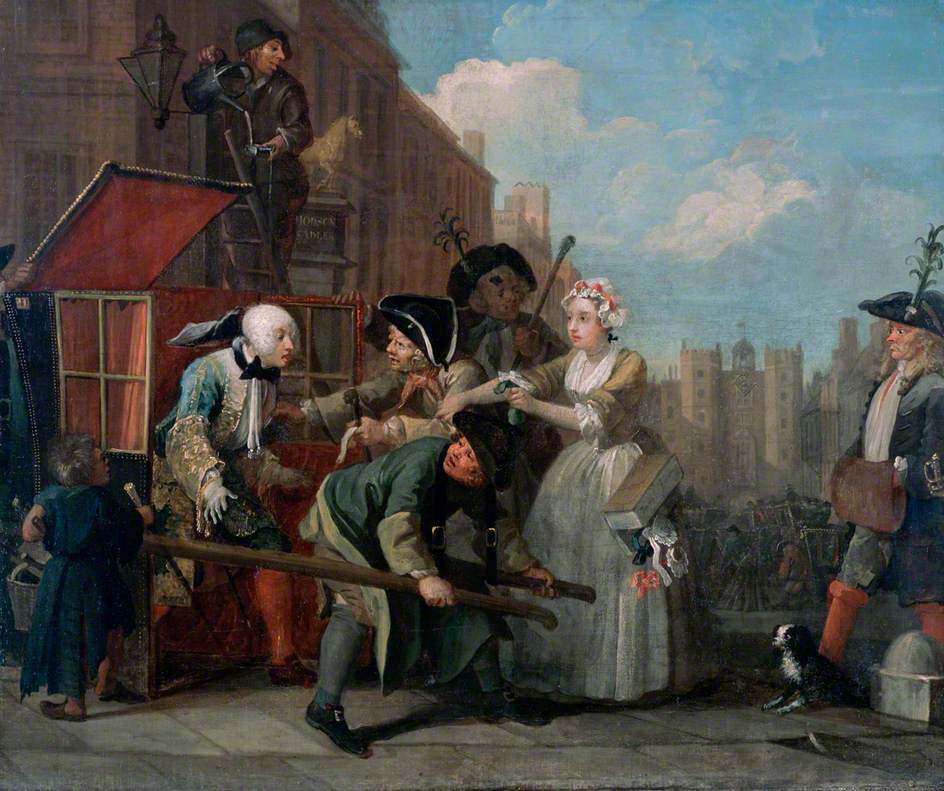
Finally, Soane’s museum also currently houses the original series of paintings for William Hogarth’s ‘A Rake’s Progress’, although you can only view them briefly if the attendant is on hand to open up panels to reveal them. My guess would be that the paintings are important in drawing visitors to the museum – perhaps they might be better placed somewhere where greater numbers of people could see them to better advantage. Maybe more, and more friendly information should be given to visitors to explain the current arrangements and to encourage visitors to be especially careful when navigating around the museum.
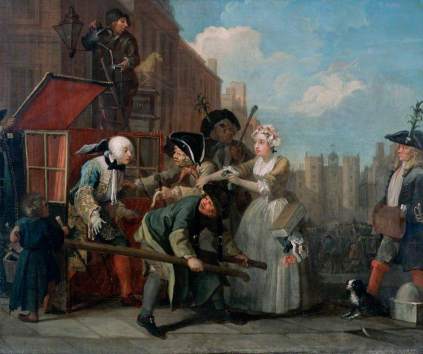
(c) Sir John Soanes Museum; Supplied by The Public Catalogue Foundation

Detail from painting four of The Rake’s Progress – ‘A Rake Arrested, going to court’. The incredible detail in William Hogarth’s paintings richly rewards sustained examination, but there is little opportunity for this currently.

But these are just the musings of an amateur who knows very little about this complex issue. There aren’t any simple answers as to how we should conserve our national heritage, and at every stage the interests of different groups must be carefully balanced and weighed. And of course I wouldn’t really steal a finger out of a grave, however long-dead and important it’s owner was.

Grave-robbing and heritage: the problem of conserving the past – Part 1

Laura Sangha

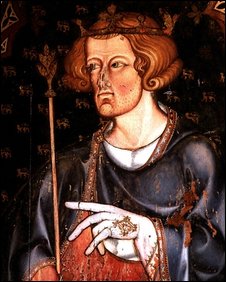
When the tomb of Edward I was opened in Westminster Abbey in 1771, the renowned antiquarian Richard Gough allegedly reached into the gaping coffin and snagged himself a little royal memento. The incident was recorded by William Cole, and it is recounted by Rosemary Sweet in her Antiquaries: The Discovery of the Past in Eighteenth-Century Britain (p. 278):

Mr G was observed to put his Hand into the Coffin and immediately apply it to his Pocket: but not so dexterously that the Dean of Westminster saw it: he remonstrated against the Proprietary of it, and Mr G denying the Fact, the Dean insisted on the Pocket being searched: when they found that he had taken a Finger; which was replaced.

Who wouldn’t want to nab one of those lovely digits for posterity?

In Gough’s defence, I should add the proviso that Cole was not sure whether to believe the story or not. But let’s assume the story is true and that Gough had attempted to make off with a macabre souvenir of this momentous occasion. At first it seems shocking that a well-respected antiquarian, someone dedicated to uncovering and preserving the nation’s past, might act in such a selfish and self-centred way. But the more you think about it, the less surprising it is. Put yourself in Gough’s shoes – wouldn’t you be tempted to take a piece of the nation’s glorious history for your own? Or would your sense of ‘proprietary’ and your respect for the dead stay your hand? What harm would it do to lift one of those smaller bones, wouldn’t there still be plenty left? You would look after it and treasure that little finger, and get great pleasure from possessing it, wouldn’t you?

Beyond this particular dilemma the reality is that conserving the documents and objects of the past is a cultural, technical, economic, intellectual and moral minefield. Wherever you turn conservation is fraught with ideals in tension and competing interests, and each contributor to the argument has perfectly reasonable logic to support their point of view. Tricky questions abound: who owns the relics of the past, and who should be given access to them? How to you balance preservation with exhibition? What’s the point of conserving anything, and how do you decide which bits should be kept? Preservation or restoration? Open access or aggressive protectionism?

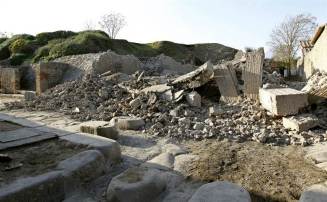
Pompeii crumbles awayWe have all heard stories of archivists who are so intent on protecting their collection that they become more a hindrance than a help in attempting to access the stuff of the past. Yet at the same time we can sympathise with the impulse to protect and extend the life of the fragile documents that are so crucial to being able to understand our history – it’s just that, if no one gets to see them, how can those histories be written? It’s not only paper that needs to be protected either. For many years now, worrying stories about the disintegration of the ancient Roman city of Pompeii, a UNESCO world heritage site, have littered the news, with the site becoming a symbol for what some see as decades of mismanagement of Italy’s cultural sites. Pompeii is fundamental to our understanding of everyday life in ancient Rome, and it receives about 2.5 million visitors each year. It isn’t hard to make a case for its international significance and value, but it does seem that it is very hard to effectively conserve it.
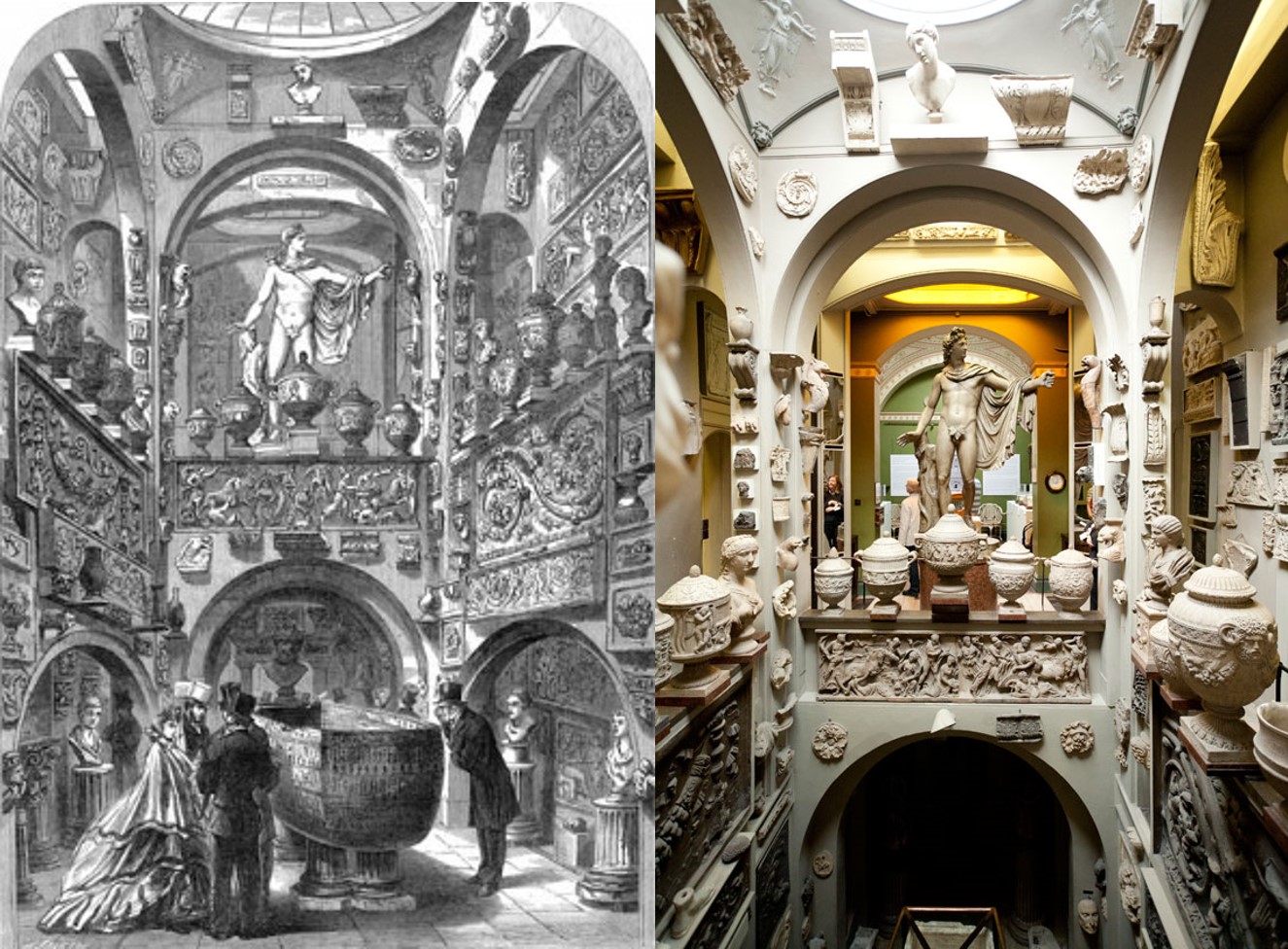
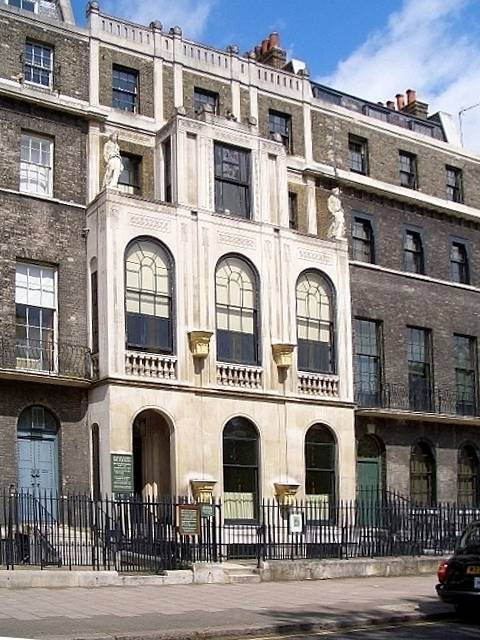
For me, it was a recent visit to Sir John Soane’s museum in London’s Lincoln’s Inn Fields that brought the issues into sharp focus. It’s a fascinating place – Soane was a Professor of Architecture at the Royal Academy and a great collector, with a houseful of books, casts and models. In 1833 he negotiated an Act of Parliament to settle and preserve the house and collection for the benefit of ‘amateurs and students’ in architecture, painting and sculpture, on the condition that the interiors be kept as they were at the time of his death. In the nineteenth century some alterations were made to the house however, and a five-year restoration programme to restore the museum is just reaching its final stages.

Soane's Museum interior 1864 and 2014.

Sir John Soane’s Museum, interior in 1864 and 2014.

Today this little museum is enormously popular. It is on the tourist trail and appears on the Lonely Planet’s list of best museums and galleries in London.  Indeed, it is a wonderful place, and was of particular interest to me, given that my current research is on Ralph Thoresby, another chap whose house also doubled up as a museum. However, Soane’s museum was very busy and overcrowded, and it wasn’t easy to negotiate around the narrow walkways and tight corners whilst also keeping well away from the innumerable artefacts that clogged every available surface. Whilst waiting to go into one room, we had an illuminating discussion with the volunteer who was guarding the door. Having started with a pleasantry that it was rather busy, the volunteer curtly told us that the popularity of the museum was a disaster. We wondered why that was – surely high visitor numbers helped to secure the museums future? Not so – it is free to enter the museum, so large numbers of visitors bought more trouble and damage than they were worth. The volunteer went on to state that it was ridiculous that the site had become a tourist attraction, and that he believed the museum should be returned to its original function – as a library and resource for architectural students only.

museum exteriorThis brief exchange left me with lots of questions. Instinctively, as a professional historian, I felt that I was a more worthy visitor that the gaggling mass of rather uncomprehending tourists who zoomed round the museum before consulting their guidebooks to check out the next stop on the museum trail. But according to the volunteer, I had as little right to view the museum as them, and admittedly it is true that seeing the museum was hardly vital to my research. I do pay taxes in the UK though, and given that a large part of the museum’s funding comes from the Department for Culture, Media and Sport, surely I was a stakeholder in the museum? And what about the trustees’ responsibility to ensure that the collection is accessible to the general public? Soane’s museum is therefore an excellent window into the heritage problem, which I will be exploring further in my second post on this topic next week.

Living Broadside Ballads: An Immersive Conference Experience

Mark Hailwood (I’m now on twitter: follow me @mark_hailwood)

As many readers of the ‘monster will know, April is one of the academic year’s prime conference seasons – and this year I threw myself into it with gusto, delivering three different papers on two continents in the space of a week. Now I’ve recovered, I wanted to offer some reflections on a unique conference experience that I enjoyed at the Huntington Library’s ‘Living English Broadside Ballads, 1550-1750’ event, convened by Paddy Fumerton of EBBA fame.

‘Immersive’ history has been an important theme of many posts on this blog; that is, an approach to history that concerns itself not only with surviving written sources, but also with the sights, sounds and material traces of past society. So it was fascinating to attend a conference that sought to ‘bring to life’ the various aspects of early modern printed ballads, not just as texts but as songs, dances and visual objects. This isn’t a conventional paper-by-paper conference report, but rather a selection of some of the highlights that spoke to this idea of ‘immersive’ history: Continue reading

Elizabethan ‘madmen’ Part II: Nightmare neighbours and Tudor ASBOs

Jonathan Willis

This post is, if not a follow-up, then perhaps a sequel to my investigation last month into the eccentric Elizabethan Miles Fry, aka Emmanuel Plantagenet, who claimed to be the secret lovechild of no less a coupling than Elizabeth I and God Himself. My next archival oddball is Goodwife Dannutt, from Rose Alley in London. Dannutt is described in the calendar of the Lansdowne manuscripts as ‘a poor distracted woman’, writing to Lord Burghley and ‘begging him for Jesus Christ’s sake to punish a constable and two watchmen, who are so noisy in the night she can take no rest’.[1]

Modern society seems more than a little preoccupied with the idea of nuisance neighbours. A quick google search reveals the website http://www.nfh.org.uk/ – designed to help embattled residents deal with, you guessed it, ‘Neighbours from Hell’. Newspapers, it appears, love to run stories about neighbours from hell; from the story of an academic whose experience of hellish neighbours may (the Telegraph speculates) have contributed to her tragic suicide, to the Mirror’s more risible account of Gywneth Paltrow and Chris Martin’s decision to install a nine-foot gate at the entrance to their $10,000,000 California mansion, ‘without permission’. The UK’s Channel 5 is currently screening a television series called The Nightmare Neighbour Next Door, which promises to reveal ‘the traumatic, shocking, humorous and occasionally bizarre experiences of nightmare neighbours’; that’s people who live ‘next door’, in case anybody was in any doubt. In recent years even governments have taken this sort of thing increasingly seriously with the advent of the ASBO, or ‘anti-social behaviour order’, such as that given to a noisy Burnley resident.

Gwyneth-Paltrow-and-Chris-Martin-3319352

Gwyneth and Chris – no longer a couple, but still neighbours from hell?

Elizabethan communities did not have to cope with electric gates, celebrity (ex-) couples, domestic cannabis farms, electronically amplified dance music or an influx of stag and hen parties to ‘party houses’ in affluent parts of Dorset. However, they were no less affected by noise. Just as Mary Douglas observed in Purity and Danger that ‘dirt’ was ‘matter out of place’, so we can usefully think of ‘noise’ as ‘sound out of place’. Sounds that might be acceptable, even appropriate, in one time or place or context could be deeply disturbing or offensive in others. I’ve written about this myself, in terms of religious music.[2] But clearly the principle can be extended to all forms of noise pollution.

The exact nature of the noise that disturbed Goodwife Dannutt is unknown, but in her frantic letter to William Cecil she noted that the time of the disturbance was ‘at one of the clocke at an unlawfull time’.[3] She requested Cecil ‘be so good unto me’ as to force her neighbour, ‘my good man Johnson’, to reveal ‘the counstables name that dwell next house’ and also the names of two watchmen, who were presumably responsible for the unseemly night time interruptions.

Dannutt’s desperation is palpable. She beseeched Burghley ‘for godes sake’ to help her, ‘for godes sake your honour’ and that she ‘may have some ende of it for cryste Jesus sake’. This sort of language, incidentally, would not have endeared her to any particularly religious neighbours, who would have viewed this sort of casual swearing as a serious breach of the Third Commandment.[4] Dannutt also requested that Burghley help her ‘have some ende upon it without gret expense’, suggesting that the constable and his accomplices request ‘pay every nighte’ and that she ‘can never take coste for them’. Quite what was going on here is unclear – some sort of nocturnal racket? – and if anybody has come across any similar cases I would be intrigued to hear about them.

No ‘nightmare neighbour’ story is complete without a sense of how powerless law-abiding citizens are to resolve their desperate situation. Not only was Dannutt complaining about a constable and a pair of watchmen, she also noted that ‘the judges of the Kinges Bench ar a kinde’ to the offenders, and that they have ‘so maney frendes that I coud never reste day nor nighte’. Reaching out to Cecil was therefore her last hope for peace, quiet, and a good night’s sleep.

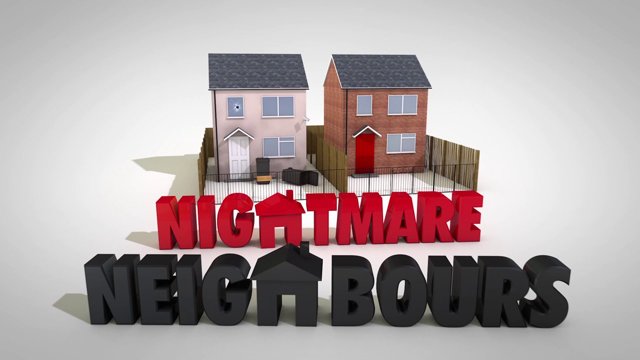
Nightmare neighbours - not just a modern problem.

Nightmare neighbours – not just a modern problem.

The goodwife ended her letter on a strange note. She also claimed that ‘moste of the lands that the queen gave he meanes to kepe it from me’, and also lamented that ‘every one cossus me & decevses me’. There are perhaps two conclusions to be drawn. The first is that, like many neighbourly disputes, this one may well have concerned the more serious question of property rights, as well as the nuisance issue of antisocial behaviour. The second is that Dannutt appears to have been socially isolated, and therefore may not have been as innocent a party as she herself claimed. There is no evidence as to whether Burghley slapped whatever the Elizabethan equivalent of an ASBO was on to the noisy constable, or even whether or not Dannutt ever managed to get a decent forty winks. Even if this incident was resolved amicably, we can at least say for certain that the problem of noisy neighbours has unquestionably never gone away.


[1] Catalogue of the Lansdowne MS in the BL, p. 191.

[2] Jonathan Willis, Church Music and Protestantism in Post-Reformation England (2010), p. 225.

[3] Lansdowne vol. 99 no. 28, f. 77.

[4] John Dod, for example, forbade idle, curious, vain or unreverent speaking of God’s word titles, attributes or works. John Dod, A plaine and familiar exposition of the Ten commandements (1604), p. 92.