
Laura Sangha
This is the first of three posts on Catholics in England at the time of the Gunpowder Plot. The second, on recusancy is here. The third, on the places in London where Catholics were often found, is here.
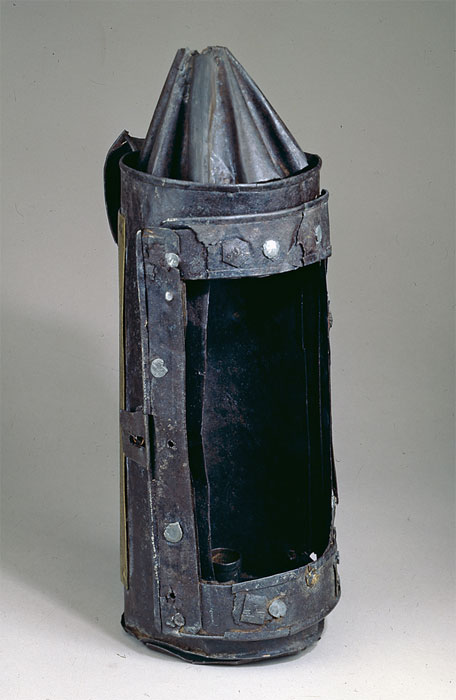
Allegedly Guy Fawkes’ lantern, now in the Ashmolean Museum
On 4 November 1605, during a search at around midnight on the eve of the state opening of England’s Parliament, a soldier by the name of Guy Fawkes was accosted by officials in an undercroft directly beneath the House of Lords. He was wearing a cloak and hat and carried a lantern, and a search of his person revealed several slow matches and touchwood. Nearby, under a pile of faggots and wood, thirty-six barrels of gunpowder were discovered. Fawkes was promptly arrested and taken to the king.
This was of course the moment at which the infamous ‘gunpowder treason’ plot was foiled, bringing to a halt the breathtakingly ambitious plan of a group of Catholic conspirators determined to reduce Parliament to rubble, to assassinate king James VI and I and his family, and to tear the heart out of the Protestant political establishment by killing in one fell swoop privy councillors, senior judges, the leading lights of the aristocracy and members of the House of Commons.
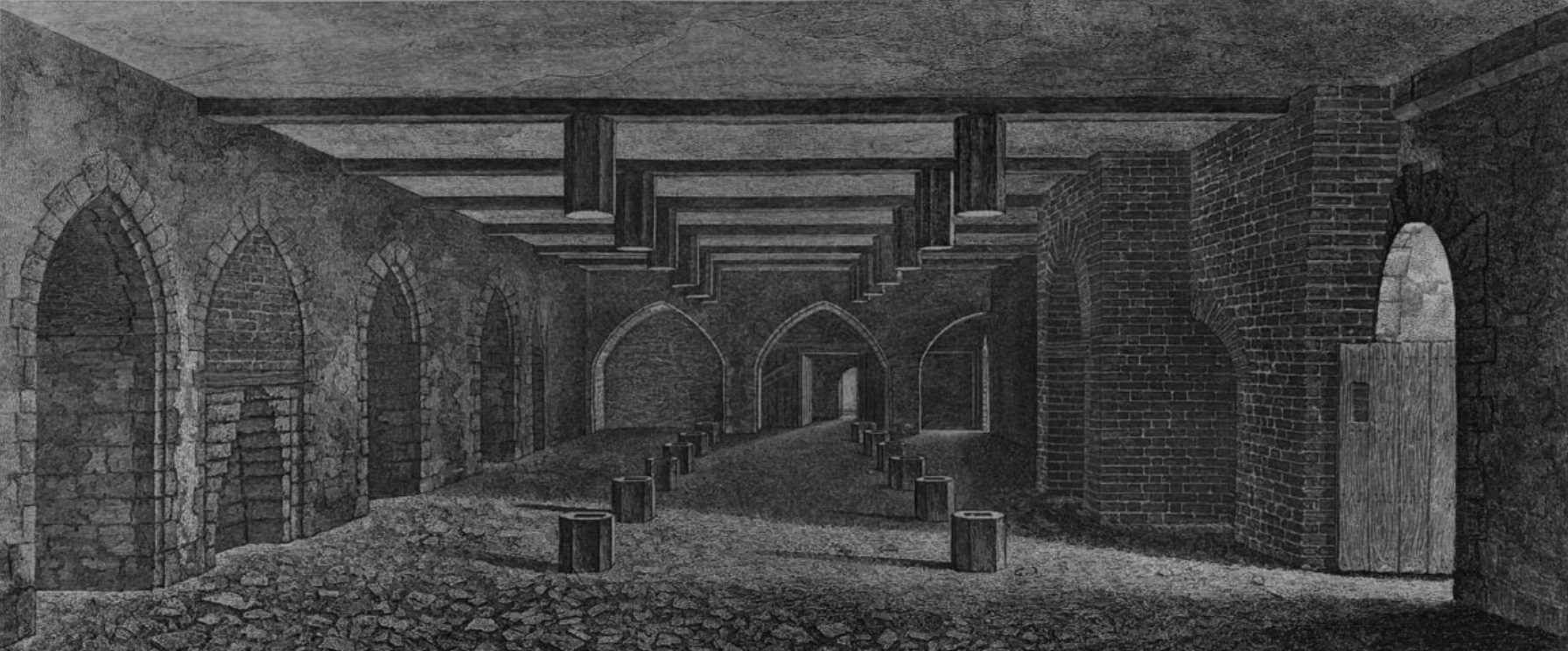
The undercroft beneath the House of Lords, 1799 engraving.
At the trial of the surviving conspirators, the Attorney-General Sir Edward Coke insisted that the plot had been invented by Jesuit priests, depraved fanatics determined to subvert the loyalty of the English people. Historians have interpreted this as part of a consistent policy on the part of James I to separate religious radicals (both ‘papists’ and ‘puritans’) from their more moderate allies, whereby he emphasised the subversive and dangerous nature of the radical fringe in an attempt to persuade their more moderate brethren of the utility and desirability of religious uniformity within the English nation. Continue reading



 the many-headed monster