Food for Thought II: Sociology – Civility and Habitus

Mark Hailwood

In this second of three posts introducing some key theoretical concepts through the history of food and drink (see here for the first) I’m going to move on to think about some of those borrowed from sociologists. The last post ended by stating that a concern with change over time plays an important role in the types of theories historians tend to like and dislike: and it helps to explain why they have been taken with our next key concept – the notion of the ‘civilising process’.

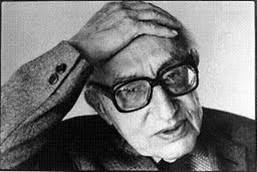
Norbert Elias

Norbert Elias

This was a theory first posited by the German sociologist Norbert Elias, back in 1939, but its main impact on Anglophone historians only came when it was translated into English in 1969, as: The Civilizing Process, Vol. 1: The History of Manners (1969). Its central claim was that between the middle ages (c.800AD) and the nineteenth century the manners of Europeans had become gradually more ‘civilised’ – by which he didn’t necessarily mean ‘better’ or more ‘progressive’ (he wasn’t passing judgement) but marked by increasing levels of self-restraint and self-control, especially with regards to violence, sexual behaviour, bodily functions, table-manners and forms of speech. By reading conduct manuals – guides to appropriate forms of social etiquette, a very popular genre – from across these centuries, Elias identified a shift away from an aristocratic honour culture in the middle ages which had seen aggression, violence, and the excessive consumption of food and drink as acceptable and laudable, towards an increasing sense of shame and repugnance towards all of these behaviours. Continue reading

Food for Thought: An Introduction to Theory via the History of Food and Drink

Mark Hailwood

Prologue

Most historians are not especially enthusiastic about theory. We tend to have an aversion to dealing with abstract concepts, and struggle to see how they might apply to what we work on. Instead, we feel much more at home when we are dealing with context; with specific evidence grounded in, and bounded by, time and place. But like it or not, theoretical concepts have played a major role in shaping historical research – though they are concepts usually borrowed from other disciplines, not produced by historians themselves – so ignoring theory is really not an option.

Doc Brown's thinking cap: not essential for understanding theory

Doc Brown’s thinking cap: not essential for understanding theory

This is as true of food and drink history as other types of history – perhaps more so. The history of drinking, for instance, might just seem like a series of amusing anecdotes (see my alehouse characters series) but really it is all about how we interpret the instances of eating and drinking that we find in the archives, how we use them to tell stories about the societies and cultures that they take place in. For this, historians of eating and drinking tend to rely on various theoretical concepts developed outside of history to try and make sense of the rituals of food and drink consumption that we find in the archives.

So, in the various courses I have taught about the history of food and drink in early modern England I usually have to broach theory at some stage. Trying to teach theory to undergraduate historians is rarely the easiest of teaching assignments, so what I try to do is to show how ideas have been applied to the specific field of food and drink history to help students see their relevance. The aim is not to provide them with a complete mastery of the concepts we discuss – I wouldn’t claim to have this myself – but rather to give them an introductory sense of them so that (a) when they come across mentions of them in the literature they will have an idea of what they mean, and (b) to provide them with a platform to build from should they wish to delve deeper into these concepts in their essays and projects.

Anyway, when recently backing up some computer files I came across the lecture I usually give on this theme, and thought that it might also work well as a series of blog posts that could serve as a very basic introduction to some of the key theoretical concepts used by historians – structuralism, habitus, the civilising process – that might be of interest to undergrads, postgrads, or anyone else who is keen to (or perhaps for a course they are taking, has to) engage with some theory but is a bit daunted by the prospect of delving straight into [insert archetypal daunting theory book here]. Anyone who is a master of these concepts might like to read on and helpfully point out where I get them wrong!

The lecture is a bit long for one post, so I’ll break it down into 3 posts over the next couple of weeks. Part I, below, deals with ‘Anthropology and Structuralism’; Part II will look at ‘Sociology: Civility and Habitus’; and Part III at ‘A Literary Critic and the Carnivalesque’. Tuck in… Continue reading

The Rise of ‘The People’

Mark Hailwood

One of our ongoing conversations on this blog has revolved around the most appropriate terms that practitioners of history ‘from below’ can use to describe their subjects: are we studying ‘the working class’? The ‘lower classes’? The ‘middling and poorer sort of people’? The ‘plebs’? This post doesn’t provide any answers I’m afraid, but in it I want to resume the conversation by highlighting and briefly interrogating a term that seems to me to have been enjoying a certain vogue recently: ‘the people’. Continue reading

‘The Rabble that Cannot Read’? Ordinary People’s Literacy in Seventeenth-Century England

Mark Hailwood

Those of us historians intent on exploring the world of ordinary women and men in the sixteenth and seventeenth centuries conduct a lot of our research by looking at surviving examples of what such people read–for instance, cheap printed broadside ballads–or of what they wrote–take, say, Joseph Bufton’s notebooks. These materials are fascinating and undoubtedly useful, but regular readers of this blog might understandably find themselves wondering about the validity of this approach, and asking themselves a simple but important question: to what extent could the lower classes of England actually read and write in the seventeenth century?

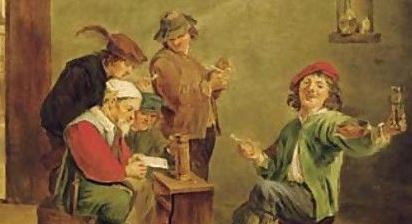
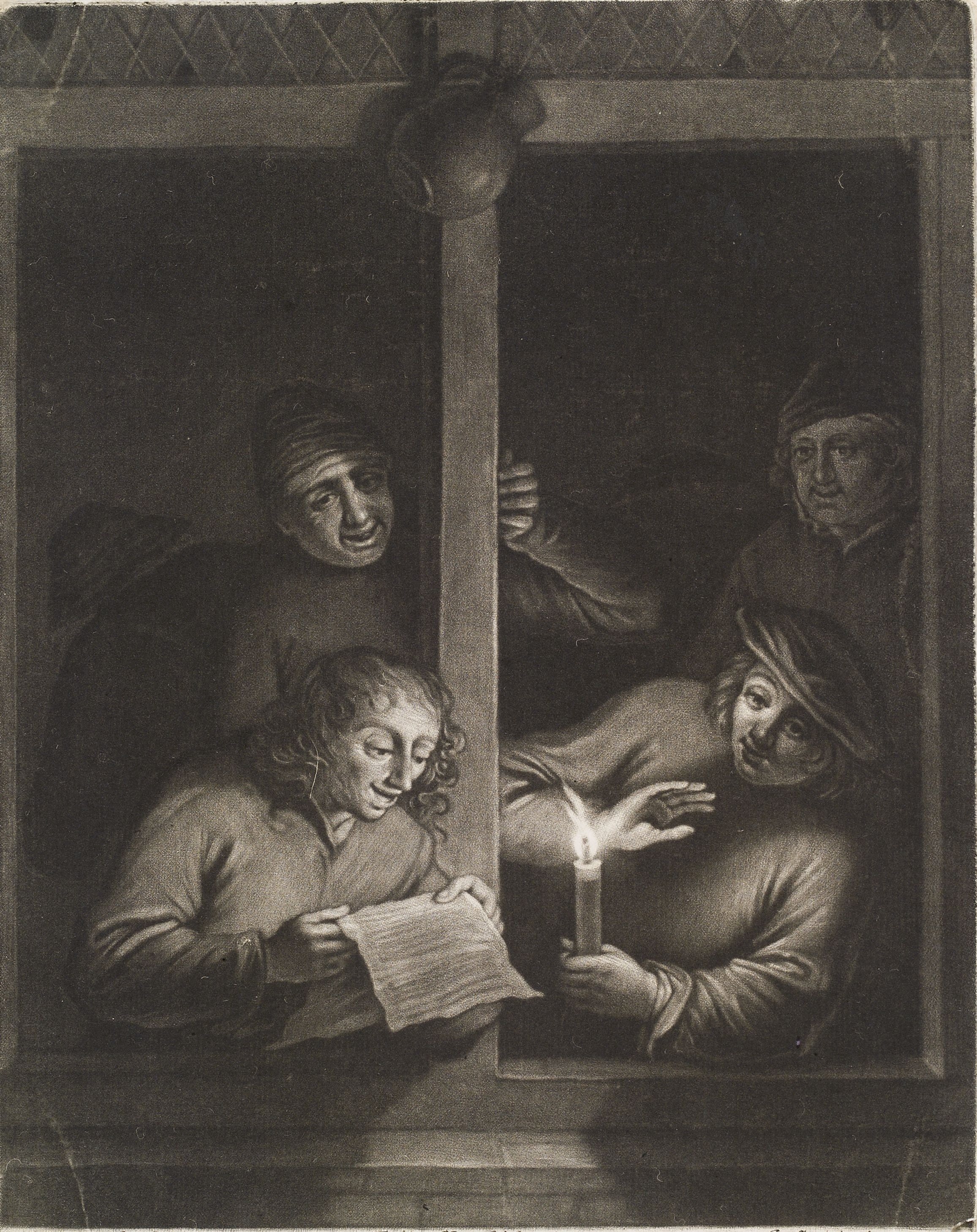
David Teniers the Younger 'Peasants Reading a Letter...' But could they?

David Teniers the Younger ‘Peasants Reading a Letter…’ But could they?

It’s a fair question, and has important implications. Does this material really provide a window into the minds of the most humble people in Tudor and Stuart society, or were reading and writing skills the preserve of the more affluent, or at least the middling, classes of society? After all, in 1691 the puritan writer Richard Baxter had described his lower-class neighbours as ‘the rabble that cannot read’. Was this fair? Continue reading

A Reformation Roundup

Jonathan Willis

Last week, I had the very great pleasure of organising and attending the annual meeting of the European Reformation Research Group, and attending and presenting at the bi-annual Reformation Studies Colloquium, back-to-back, at Murray Edwards College (formerly New Hall), Cambridge. I heard 36 papers over 72 hours (including my own), and on Wednesday alone I began conferencing at 9am, didn’t finish until nearly 9.45pm, and heard 14 different papers over the course of the day. What I want to do in this post is to reflect on some of what I heard, and on what it says about the exuberance of reformation studies today. I have three disclaimers. The first is the Colloquium at times had four sessions running in parallel, so my experience of the conference was incomplete, and tailored around my own interests as a historian of the English reformation. The second is that I think it would be a bit tedious to summarise every one even of the 36 papers I heard, and so I’m going to be selective, and pick out papers relating to a few of the themes that stuck out to me most prominently. That means I won’t be mentioning some brilliant work, but I don’t think that can be helped – it would be great if other delegates could add some of their highlights to the comments below! Finally, apologies if I’ve misrepresented anybody’s ideas in what follows. If that’s the case, just let me know, and I will correct it. Continue reading

Early modern history after Hobsbawm

Brodie Waddell

Eric Hobsbawm was not an early modernist. Although he wandered into the seventeenth century every once and awhile, his scholarship was focused on the nineteenth and twentieth centuries. Yet it would be unjust to dismiss him as irrelevant. Not only did he come up with some of the key concepts used by early modernists – such as ‘primitive rebels’, ‘invented traditions’ and even ‘the general crisis of the seventeenth century’ – he also very publically wrestled with the problem of politically informed and socially committed history.

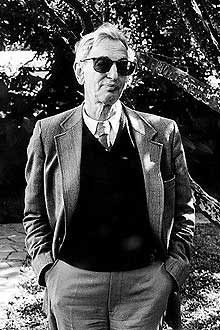
The dude abides

The dude abides

Two weeks ago, a truly extraordinary gathering of historians met to explore these issues at the ‘History After Hobsbawm’ conference in London. I don’t exaggerate when I say this was a remarkable group – Sam Wetherell suggested the line-up was ‘like the Glastonbury of modern British history’, which seems about right. The result was a lot of great conversations at the event, online and of course at the pub afterwards. There are a bunch of reports, reviews, podcasts and tweets collected at the conference website.

I wanted to draw attention to a few of those pieces written by early modernists that may be of interest to our readers. If you have any comments or questions I’d encourage you to put them here as there are no comments on the conference blog. I’ll pass comments here on to the authors.

The ‘spectres of Marx’ that haunted many of the conference conservations were very visible in the commentaries from early modernists. Hillary Taylor discussed how Jane Whittle, Andy Wood and Lucy Robinson dealt with issues such as ‘class’ before the industrial revolution and ‘primitive rebels’ outside of formally organised protests. She suggested that some ‘ecumenical sampling’ of Marxist analysis – by both Marx himself as well as less well-known thinkers like Ferruccio Rossi-Landi and Nicos Poulantzas – can still illuminate key aspects of early modern society. Mark Hailwood agreed and suggested that the label ‘post-Marxist’ might be appropriate as such an approach is neither anti-Marxist nor even strictly non-Marxist, but instead ‘picking up some of the pieces’ left behind after the ‘purgatory of the 1990s’. Indeed, he noted that many so-called Marxists – including Hobsbawm – have been doing this all along. Dave Hitchcock looked specifically at Gareth Stedman Jones’s discussion of the supposed ‘paradox’ of ‘good Marxist history’. Jones seemed to claim that Marx was merely a distraction from the strength of the longer tradition of intellectual critique that preceded him. Dave, in contrast, argued strongly that without Marx and successors like Hobsbawm historians would have a much weaker awareness of the history of social experience and of the brutal realities of material existence.

The second major theme to emerge from these discussions was the link between past and present in historical scholarship. This was perhaps most prominent in Lucy Robinson’s talk, summarised by Hillary, as it focused on the ‘history’ of the 2010 Brighton school students protest, in which the ‘historian’ was amongst the crowd! However, it is also very relevant to early modernists. Hillary, Mark and Dave all noted the power of ‘socially committed’ scholars in bringing to light previously neglected topics such as protest and subordination. Moreover, the crushing defeats of organised labour and international communism in the 1980s clearly had an effect on how historians used concepts like ‘class’: the shifting political climate directly influenced academic debates and methodologies. The panellists discussed by Robert Stearn made this very clear in their analysis of the retreat of traditional ‘labour history’ over the last generation. Here, the impact of a changing political situation are plain to see. This final point was driven home for me in the panel I wrote about, in which John Elliot, Geoffrey Parker and Sanjay Subrahmanyham talked about ‘the seventeen-century crisis’. It is not difficult to find some of the momentous events of the twentieth century – namely the Depression, the World Wars, the rise of globalisation and the discovery of climate change – shaping the way scholars conceived of early modern society. It’s often said that we can’t escape the past, but it’s clear that even historians can’t escape the present either.

There are also some earlier thoughts on Hobsbawm from me and (in the comments) Mark, Jonathan, Laura and Newton Key, that might be relevant.

The many stages of writing: a personal take

Laura Sangha

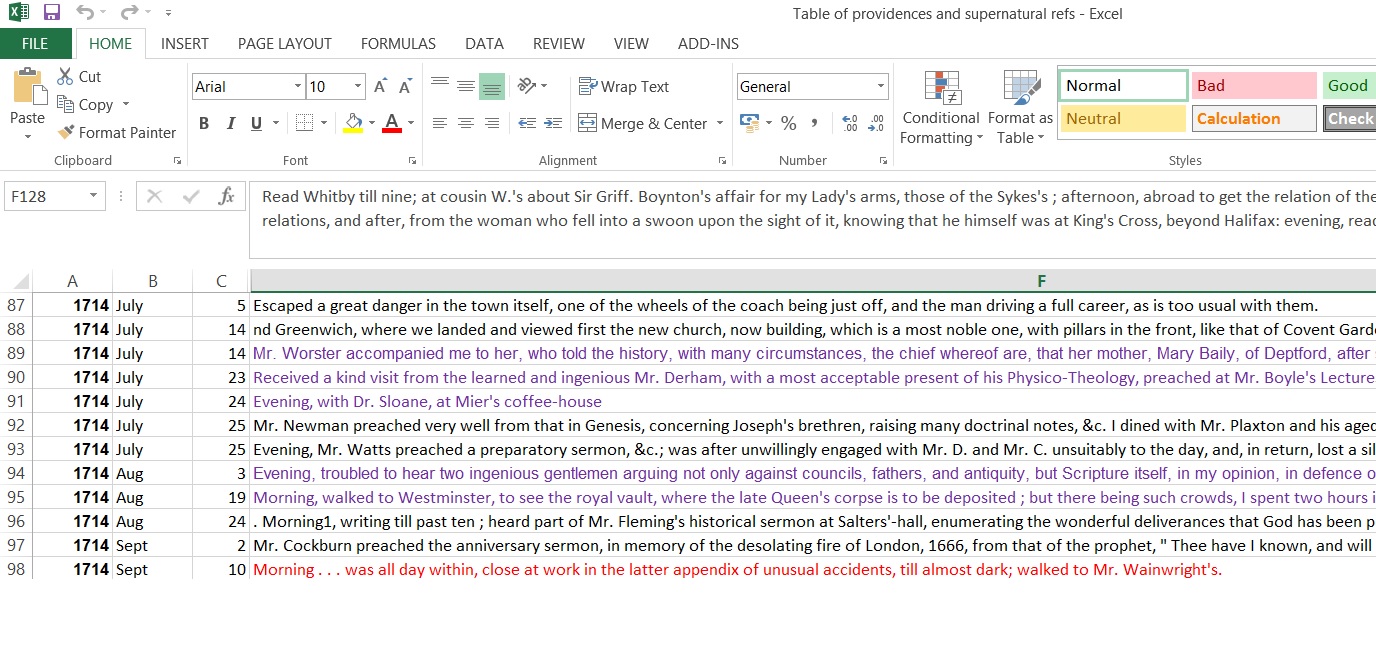
For the past few years, I have been asked to contribute to a postgraduate training session on ‘Preparing to write’ which I deliver jointly with a professor in the English department. It is something that I really enjoy doing, because it is a chance to compare my own experiences and practice with other researchers. And each year I am struck anew by the similarities in the way that we approach our research, as well the fact that there are always new techniques and ways of working out there that I haven’t considered. Whilst the English professor has a complicated system of index cards and quotations, I tend towards colour-coded excel spreadsheets, both of which methods have something in common with Keith Thomas’ labour (and envelop) intensive working practices. The informal and inclusive nature of the discussion of the training sessions are a great way to encourage reflection on our working practice, many of which seem to organically emerge and ossify throughout our training and early career.

Excel is currently my favourite note taking tool.

Excel is currently my favourite note taking tool.

Alongside thinking about preparing for writing, I have just bashed out my first paper on my new research into Ralph Thoresby, and found this blog post on what we might mean by ‘pace’ in writing incredibly useful for thinking about the processes involved. Recently Matt Houlbrook’s lyrical photo essay/ biography of a book chapter had also set me wondering just how similar our experiences are when it comes to writing. Does everyone feel the same deep unease [terror] when you open the new document and begin to formulate that first sentence? Or derive the same small comfort from putting the title at the top of the page, formatting it nicely, and saving the (as yet still blank) document to file? Why is it that I can only write 1,000 words a day, whether I have finished them by 11am, or 9pm, and does everyone have a ‘natural’ daily word limit? Is there an optimum number of jokey asides to include in a paper? And how do you turn off autocorrect in the latest version of Word?

With all that in mind, I thought I would be therapeutic to briefly summarise the main stages that I pass through when I am writing.

The dreaded introduction.

Undoubtedly my least blank docfavourite part of writing. The uncertainty, the weight of expectation, the fear that you have forgotten how to do it. The enormously intimidating existing scholarship and the huge pile of primary material. The plan that made sense when you wrote it but which is now an undecipherable mass of crossed out paragraphs, arrows pointing to nowhere, and an obscene number of question marks. NB. This entire post could have been written just about this point.
The false start.

Continuing the theme, the false start. You finally start getting something down, you pick your way through a particularly difficult bit of historiography, and you are feeling quite pleased with yourself. You stop for a cup of tea, and when you return, realise that you have 2,000 words of a 4,000 word paper, but you haven’t even mentioned the topic in the title yet. None of your 2,000 words are essential and most will need to be cut so you can actually address some of the important things. But the great news is: a false start is infinitely better than no start, and you can just deal with the editing later. NB. Save the original file because you might be able to use it somewhere else.

The comforting middle bit.

Before this post descends into paralysing misery, I usually find that once I get going, I tend to get into a groove and progress reasonably steadily. I generally target either a certain number of words each day (c. 1,000) or completion of a particular section from my plan. Attacking longer pieces of writing in bite sized chunks is essential and helps to make me feel accomplished every day, not just at the last. That said, there will inevitably be…

Possibly blasphemously, I also fondly think of the darkest day as the Slough of Despond [William Blake, Frick Collection New York].

Possibly blasphemously, I also fondly think of the darkest day as the Slough of Despond [William Blake, Frick Collection New York].

The darkest day.

There are lots of reasons for the darkest day, that day when your muse deserts you, and writing simply does not happen, or progress is so slow that an outsider wouldn’t notice it. For me it is usually when I am tackling a bit that is tricky conceptually, or if I am trying to synthesise and reduce something rather complicated into a manageable and not too distracting size. After hours of furrowing my brows, picking up and putting down books, groaning, re-reading articles, chewing my fingernails, cutting, pasting, and standing up to look out of the window, I usually have something useable. That’s the moment I save those precious 300 words, put my whip down, and leave that dead horse alone.

The race for the finish.

Finally, your steed has miraculously revived, the wind is in your hair, and you are heading into the final straight! Everything is great. You have crossed out the majority of your plan, you have discarded all the boring and inessential parts, you have mastered that horrible bit about predestination. You are so excited about finishing you write two sections in one day. Your conclusion is so close you can smell it. Your examples are fitter, your jokey asides are funnier, your analogies more similar, and your argument more persuad-ier. It turns out that dreaded introduction was worth it after all. Now – to the pub*!

*It is important to celebrate your accomplishments, but please drink responsibly.

The Immersive Turn: Or, what did a seventeenth-century drinking song sound like?

Mark Hailwood

I know what you are thinking: isn’t it about time for yet another historical ‘turn’? Well, you’re in luck! I think there is a really interesting one already underway in early modern studies, quietly coming together from a number of different approaches and without, as yet, a clear sense of itself. I want to give it an identity, and I’m going to start by giving it a name: the ‘immersive turn’. But I’m open to suggestions.

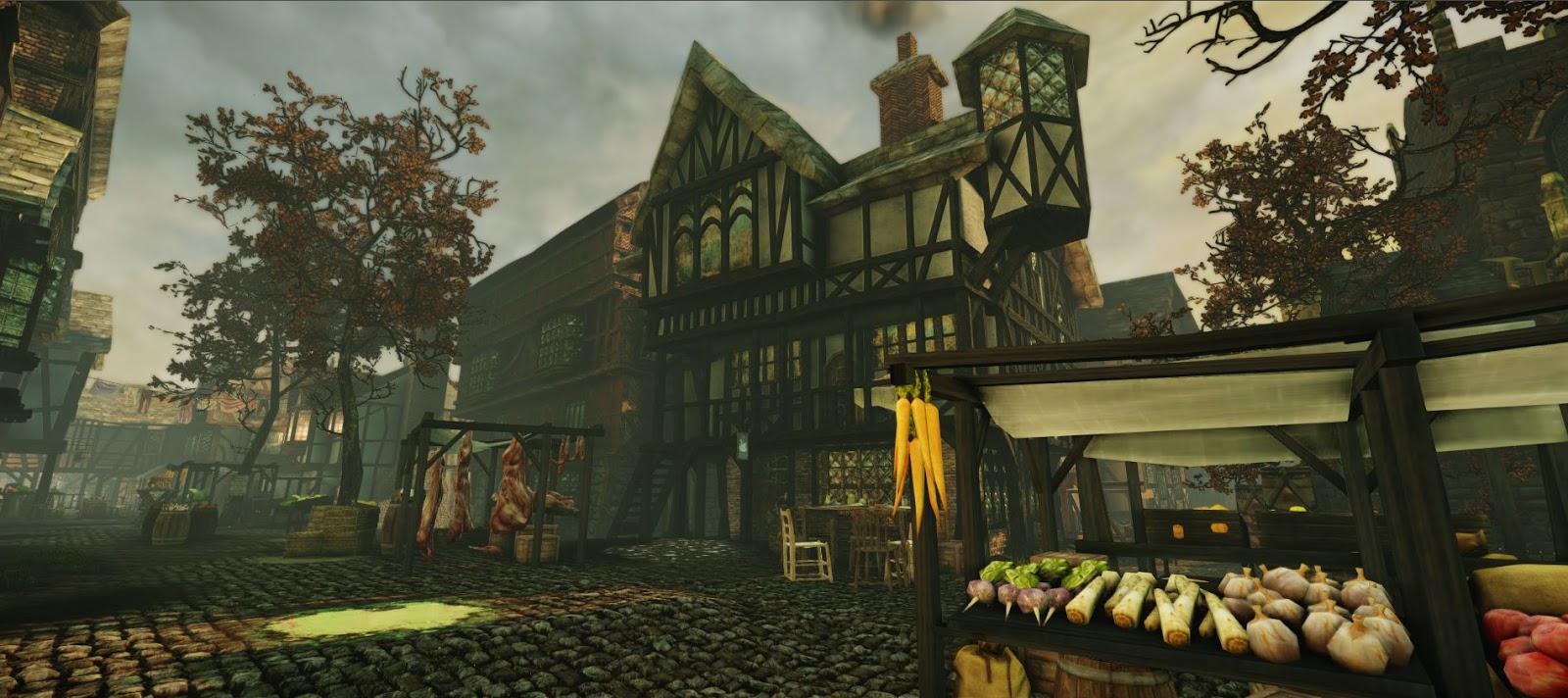
What I mean by this is a growing desire on the part of early modern historians to try to recover a more multi-dimensional, multi-sensory feel for the period than we conventionally derive from an analytical reading of written sources: a search for the texture of the past, not just its texts. What prompted me to pull together this line of thought into a blog post was the recent attempt by students at De Montford to create a virtual version of seventeenth-century London before the Great Fire of 1666. It is worth a look, if you haven’t seen it already.

Pudding Lane Productions (http://puddinglanedmuga.blogspot.co.uk/century) have created a virtual 17th century London.

It seems to me that the interest generated by this project is a symptom of the fact that early modern historians are increasingly attracted to the idea of ‘immersing’ ourselves more fully in the physical and sensory aspects of the world that we study: the emergence of the study of material culture, increased attention to visual sources, to ‘space’, and to the history of the senses, might all be seen as part of this same process.

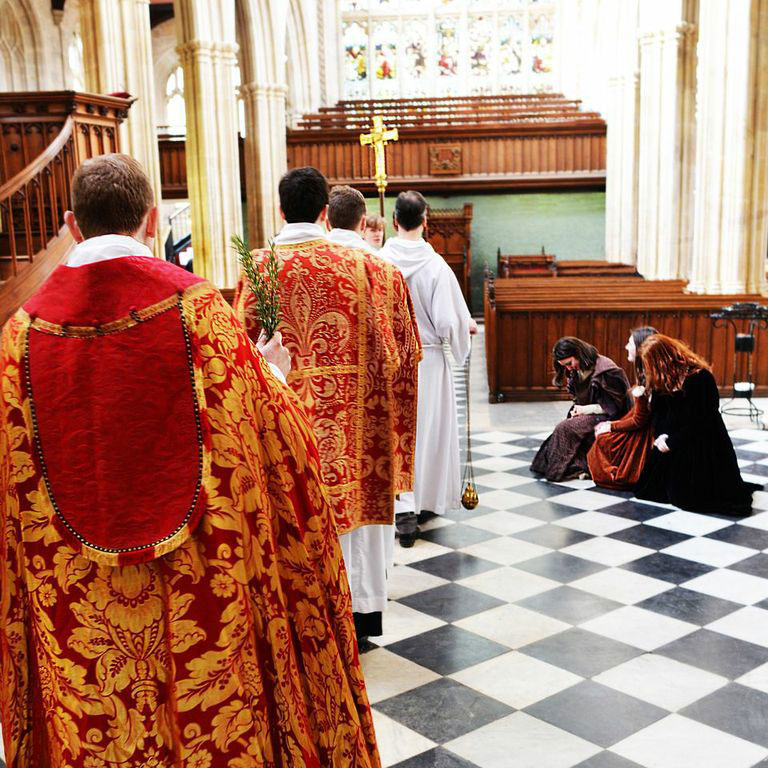
Pre-Reformation worship recreated (http://reformation.modhist.ox.ac.uk/index.html)

Pre-Reformation recreated

There have been recent attempts to recreate pre-and post-Reformation church interiors, and experiences of worship, for instance, and popular history books and TV shows taking the form of ‘Time Travellers’ Guides’ invite their readers and viewers to imagine the sights and smells one would encounter on entering a medieval or early modern city. All of these approaches invite us to imaginatively transport ourselves into the shoes of our early modern ancestors, and to concentrate on the immediate experience of sights, sounds and material surroundings.

These ‘immersive’ approaches have influenced my own work, especially in relation to the seventeenth-century drinking songs that I use to examine alehouse culture in the period. I don’t just mean that I get drunk and try singing them in the pub—although, we’ll come back to that—but rather that to understand the meanings of such songs it is important to think about the ways in which they were performed. It might be easy for a historian, sat alone at their desk quietly reading such a song, to misjudge the tone of its meaning, a tone that was informed by its tune, and also the manner and context in which it was actually sung, aloud, communally.

Singers in an alehouse window - hardly the same environment as sitting at my desk.

Singers in an alehouse window – hardly the same environment as sitting at my desk.

I developed a few thoughts on this in a short article for The Appendix, a new journal that embraces these new types of immersive and experimental history. You can read it for free here, and it would make sense to do so before reading on…. but, if you don’t have the time or inclination, here is the nub of it: I argue that it is important to think about how performance might influence the meaning of a seventeenth-century drinking ballad, and I applaud some recent attempts to recreate ballad performances. But I think they can misrepresent the tone in which such songs would have been sung.

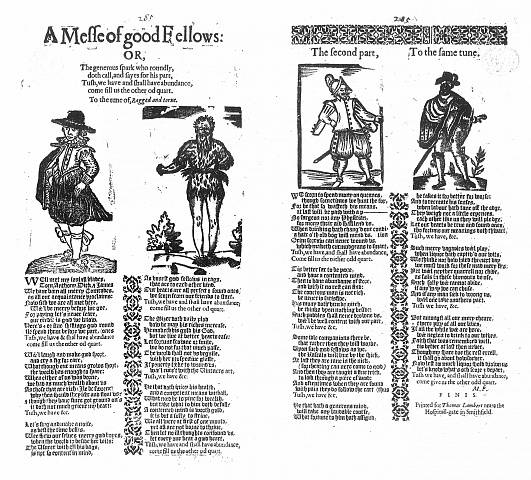
For instance, take a moment to listen to EBBA’s recording of the drinking ballad, A Messe of Good Fellows, by clicking here.

A Messe of Good Fellows (© British Library)

A Messe of Good Fellows (© British Library)

It’s helpful to hear it put to a tune, but surely the tone would be a little more raucous if performed by a company of intoxicated good fellows bellowing it out from the alebench?

A bit more raucous - a bit more like it...

A bit more raucous. A bit more like it?

Indeed, I suggest in the article that a modern-day football song – with a well-known tune, repetitive chorus, and an inebriated collective of (mostly) men – might actually come closer to capturing how such drinking songs would have been experienced in the alehouse. In case you haven’t had the pleasure of experiencing terrace tunefulness first hand, click here. I’ve tried to pick a relatively inoffensive one, but apologies to residents of Cardiff.

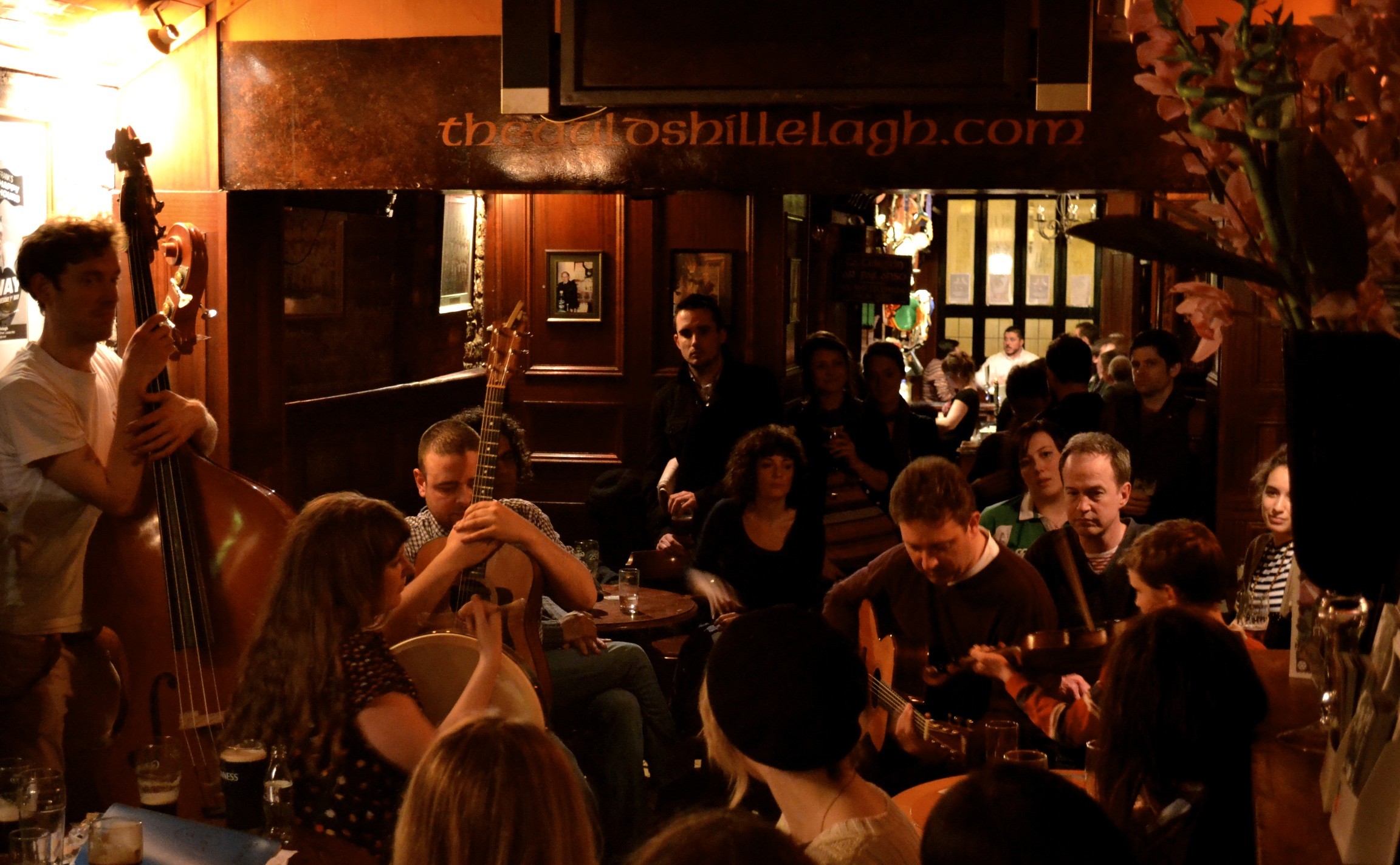
In response to the article I also received a suggestion from Phil Edwards, a Lecturer in Criminology at Manchester Met and an enthusiastic folk musician, that present day folk singing – often pub-based and communal – might be a closer descendent of the seventeenth-century alehouse song. I expect many historians would probably agree, but it is still a bit too sanitised and orderly for what I imagine performance would have actually sounded like. See what you think by listening to this ballad singaround recorded by Phil.

Are folk singarounds the key?

Are folk singarounds the key?

I’d be interested to hear your thoughts on which style of performance you think is most effective at ‘transporting’ us into the experiential world of our early modern forebears, but more importantly, I suppose, I’d like to know whether you think this little experiment in ‘immersion’ is a worthwhile exercise at all. Is attempting to recreate the sounds, or the smells, or the sights/sites, of the early modern past allowing just a little too much imagination into the historical process? It is undoubtedly an imprecise science, and we will never be able to capture with any certainty the tone of ballad performances – which no doubt varied immensely anyway. Is it therefore likely to be as often misleading as illuminating? A bit of fun perhaps – a harmless thought experiment to fill a coffee break – but not to be taken as a serious part of the historian’s craft? Or is the ‘immersive turn’ the next big thing, a way of bringing history to life that can enhance the understanding of both academic historians and non-academics alike?

The intellectual value of gaming: Sid Meier’s Civilization, Oregon Trail and a streetview of London in the 1660s

Brodie Waddell

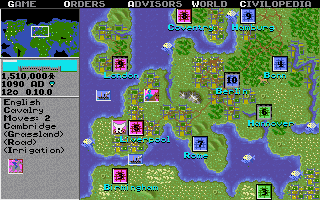
Some time ago I claimed that Eric Hobsbawm’s work was one the initial spurs that pushed me towards becoming a historian. However, it would be misleading to leave the impression that the long journey to my current profession was prompted solely or even primarily by such an academically reputable source. In fact, a larger part was probably played by a computer game: Sid Meier’s Civilization.

Look out, Romans! You’re about to get smashed by my English cavalry!

Look out, Romans! You’re about to get smashed by my English cavalry!

Continue reading

The Past is a Foreign Country: History and Analogy, Part I

Laura Sangha

I’ve just finished G.W. Bernard’s The Late Medieval English Church, which is an excellent and well informed survey, in case you are wondering. One of the things that made it a particularly enjoyable read were the analogies that peppered the text, which were thought-provoking and on occasions mischievous. For example:

The attitude of medieval townsmen to their local cathedral was, it has been suggested, rather like that of their successors to modern universities: an ambiguous mixture of slight suspicion and considerable incomprehension was alleviated by a natural pleasure that this corporate giant might contribute to their own prestige and economic welfare.

Should pilgrim badges… be seen as sacred objects, almost ‘secondary relics’, for those who acquired them, or more like the souvenirs that day trippers buy today? … Medieval pilgrimage has been compared to modern museums, full of half-comprehending tourists, of young people having a day out, yet with serious and scholarly purposes at their core. Are the experiences of those who go church-crawling, or visit the blockbuster exhibitions in art galleries, or go to concerts at all comparable? Does the ritual of pilgrimage meet a perennial human need?… How many pilgrims took part in pilgrimages in much the same part-materialistic, part-sentimental way that many nowadays treat Christmas? [1]

The early modern pilgrim badge and its modern walking stick equivalent?

The early modern pilgrim badge and its modern walking stick equivalent?

Along with Brodie Waddell’s recent post on jargon and Mark Hailwood’s comparison of early modern alehouse ballad singing with modern football chants, it got me thinking about language, and more specifically about the way that we use analogy in writing and teaching. For historians, the carefully picked parallel is a potent weapon, it provides an inference or argument from one (familiar) particular to another, in the process attaching meaning to the unfamiliar particular. Analogy enables us to grasp the new and to process the different. For the early modernist, this is especially useful, because a parallel can help us to negotiate the strangeness of our subject and to close the gap between the mysterious and murky past and the bright shiny present. This is exceptionally useful when it comes to teaching: when I challenge my students to try to understand the early modern mentality I often begin by inviting them to self-reflect on their own experience, before exploring the early modern equivalent. So you might ask students to list what they think are the main elements of ‘identity’ in the present day, before discussing how early modern people thought about the same, the comparison drawing attention to those areas of similarity and difference which then invite explanation.

Similarity as well as difference is of course key here. Historical analogies are neat, effective and pleasing, but also fraught with peril because it is unlikely that the two particulars in the analogy are exactly the same. Bernard acknowledges as much:

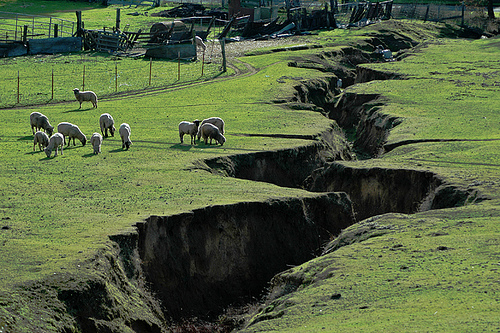
Another scholar has offered the metaphor of ‘faultlines in the landscape’ but, while that is suggestive, it nonetheless rests upon the underlying inevitability of the coming earthquake.[2]

faultline

Just imagine the Late Medieval Church criss-crossed with lots of these.

In similar vein, Versailles might have ‘sowed the seeds of the second world war’, but this suggests a dangerous teleology that might distort our understanding of the interwar years. Thus a facile or lazy comparison can obscure rather than illuminate. Politicians and journalists in particular play a dangerous game  when they use analogy in association with events that are still unfolding, or to justify actions or simplify complexity. Recently, the labeling of the wave of demonstrations and regime changes in North Africa and the Middle East as the ‘Arab Spring’ (an allusion to the Revolutions of 1848 and the Prague Spring) has fitted rather awkwardly with subsequent developments that bear no relation to the promise of rebirth, liberation and growth usually associated with the pre-summer season and the historical precedents. One commentator notes that:

It appears that the right analogy is a different central European event — the Thirty Years’ War in the 17th century — an awful mix of religious and political conflict, which eventually produced a new state order.

Analogies surely work best only when the dissimilarities of the two things are considered alongside the parallels – the analogy can in fact help you to identify both. Ruling out unsuitable analogies is also a useful strategy, as Peter Marshall does when describing the processes of the English Reformation:

The modern analogy is less with the overthrow of ancien regimes in 1789 and 1917 than with the ‘cultural revolution’ of 1960s China, in which central government worked in alliance with cadres of true believers to undermine reliable elements in positions of authority, and radically reconstruct the outlook of people as a whole.[3]

More in common than you might think?

More in common than you might think?

It is always a delight when students come up with their own analogies, because it reveals their learning: their coming to terms with information and expressing their own understanding of it. When discussing oral culture, and the astonishing feats of memorisation that early moderns were capable of, one student declared that it wasn’t that surprising that people knew the Bible off-by-heart, as she felt sure that if someone named a chapter from any Harry Potter novel she would be able to recall the important events from memory. Other memorable comparisons were Henry VIII’s visitation officers as ‘Ofsted Inspectors’, Elizabeth I’s beauty ‘trending’ at court, and Charles I’s relationship with the Duke of Buckingham as a classic ‘bromance’. These are not simply throwaway comments, they reveal students grasping and reframing the past in a way that resonates with their own existing knowledge.

**I followed this up with another post with examples of different types of analogies, incorporating those suggested to me by readers.**


[1] G. W. Bernard, The Late Medieval English Church: Vitality and Vulnerability before the Break with Rome (London, 2012), pp. 159-60; 143.

[2] Bernard, The Late Medieval English Church, p. 236.

[3] P. Marshall, Reformation England 1480-1642 (London, 2003), p. 58.