
Jonathan Willis
(For the first, introductory post in the series, click here)
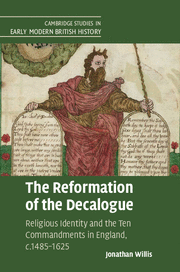
The Third Commandment of the Reformed Decalogue was ‘Thou shalt not take the name of the LORD thy God in vain’. It would therefore be easy to assume that the primary purpose of the commandment was to forbid blasphemy – employing God’s name in the uttering of profane curses or the swearing of false or deceitful oaths. In fact, the third commandment was much more sweeping in its scope than this. The Pembroke College graduate and Suffolk minister Robert Allen explained that the scope of the commandment was nothing less than ‘to shew what ought to be the ordinarie course of the of the whole life and conversation of the true worshipper of God, both in word and deed’. Secondly, it was
To declare what is the chiefe end of life, and of all the thoughts, words, & works thereof; not only in the duties of God’s worship, both inward & outward, according to the first and second Commandment: but also in every other duty according to all the Commandments of the whole Law of God.[1]
The third commandment was therefore pretty totalising: it did not just apply to oaths and curses, but directed the whole ordinary life of the believer outside of the context of religious worship. Continue reading
 It is one of the arguments of
 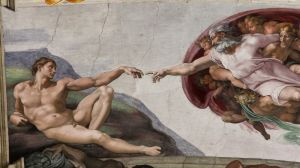 What this commandment required, however, was nothing short of true faith. The first component of faith was knowledge. The future bishop of Llandaff, Exeter and Worcester, Gervase Babington, wrote in his very Fruitful Exposition of the Commaundements in 1583 that the knowledge of God was declared by the magnificence of his creation (the heavens and earth, and all the creatures therein); by his word (in the form of the scriptures); by the holy spirit which brought the knowledge of salvation; and by the conscience of man, which comforted him when he acted in a way of which God approved, and accused him and made him afraid when he committed evil deeds.
  Regular readers of this blog may or may not be aware that I’ve spent the last seven years or so researching and writing
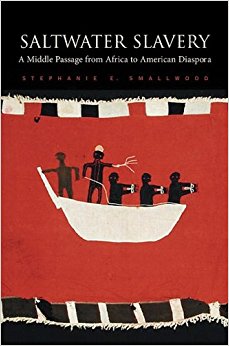 I should note a few caveats. First, I had to exclude a few excellent suggestions even from my long list as they were focused primarily on the post-1750 period, which is covered by another module. Second, there were a few publications that I don’t have access to, so I put them on a separate list too. Third, there may be errors, so let me know if I’ve miscategorised anyone. Fourth, I know that people of colour write great scholarship about all sorts of history other than colonialism and slavery, but I thought this would be a good topic to start with given the particularly egregious nature of my initial list. Finally, I’m very aware that this list is incomplete. I’d welcome the chance to update it, so please comment below with your own ideas!
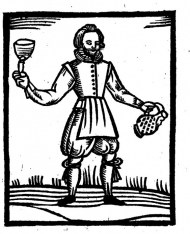 In the following half-decade ‘the monster’ grew two new heads –
 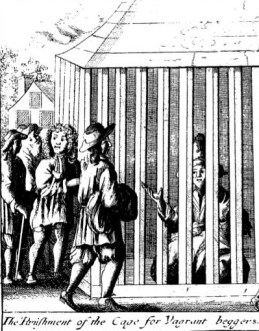 Our knowledge of both literal and figurative imprisonment in the sixteenth and seventeenth centuries is growing rapidly thanks to the on-going work of some outstanding historians and literary scholars. On Friday, a group of them assembled at Birkbeck for a ‘mini-symposium’ on the topic of ‘Writing Prisons: Literature and Constraint in Early Modern England’, where they considered ‘forms of physical, political, and aesthetic unfreedom’ at that time.
 the many-headed monster