Jonathan Willis
(For the first, introductory post in the series, click here)
One of the most striking aspects of the Commandments of the Reformed Decalogue was the sheer range of actions which they came to be seen to enjoin or prohibit. However, this tendency to expand the commandments from the specific action forbidden (or exhorted) in the text to spiritual and temporal acts, in thought, word and deed, and to other similar types of offence, had impeccable biblical credentials. Christ himself, in Matthew 5:21-22, had explained:
Ye have heard that it was said of them of old time, Thou shalt not kill; and whosoever shall kill shall be in danger of the judgement: But I say unto you, That whosoever is angry with his brother shall be in danger of the judgement: and whosoever shall say to his brother, Raca, shall be in danger of the council: but whoseoever shall say, Thou fool, shall be in danger of hell fire.
 The four short monosyllables of the Sixth Commandment – thou shalt not kill – were therefore stretched and twisted by expositors of the Decalogue into some quite astonishingly intricate patterns, which reflected the religious and moral climate of the day. The godly vicar of Ryton, Francis Bunny, explained that the commandment forbade killing with hand, heart and tongue, ‘and all the things that tend to the hurt of any mans person’, including bereaving him, spoiling his goods and possessions, or omitting ‘such duties, as tend to the safety or good of other men’.[1] This was a totalising portrait of how to live one’s life with the utmost care for the lives of others. Continue reading
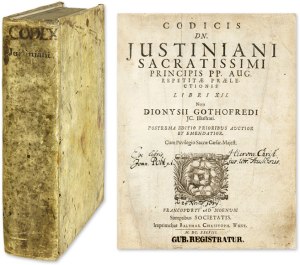 The Fifth Commandment was the first precept in the Second Table of the Reformed Decalogue, heading the list of precepts which ordered man’s relationship with his fellow man. The Edwardian reformer and Bishop of Gloucester John Hooper, in his Declaration of the Ten Commandments of Almighty God, explained that in the Second Table ‘is prescribed how, and by what means, one man may live with another in peace and unity in this civil life, during the time of this mortal body upon the earth’. None of the great lawmakers of the classical world – Lycurgus, Plato, Cicero, Constantine, Justinian – individually or together had ‘prescribed so perfect and absolute a form of a politic wealth, as Almighty God hath done unto his people in this second table and six rules’.
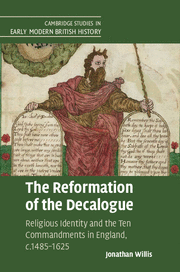 It is one of the arguments of
  What this commandment required, however, was nothing short of true faith. The first component of faith was knowledge. The future bishop of Llandaff, Exeter and Worcester, Gervase Babington, wrote in his very Fruitful Exposition of the Commaundements in 1583 that the knowledge of God was declared by the magnificence of his creation (the heavens and earth, and all the creatures therein); by his word (in the form of the scriptures); by the holy spirit which brought the knowledge of salvation; and by the conscience of man, which comforted him when he acted in a way of which God approved, and accused him and made him afraid when he committed evil deeds.
  Regular readers of this blog may or may not be aware that I’ve spent the last seven years or so researching and writing