
Jonathan Willis
Lately I’ve been reading and writing about a large number of godly lives. This is a fascinating genre. Individual stories have always played an important role in Christianity – the gospels themselves, of course, are first and foremost accounts of the life of Christ, written by the evangelists Matthew, Mark, Luke and John. The Confessions of Augustine; the hagiographical accounts of the lives (and deaths) of saints; the intensely spiritual and personal visions of mystics like Julian of Norwich: all these are examples of how life writing of different kinds has played an important role in shaping religious belief and practice in the millennium and a half following the birth of Christ. However, we see two new and distinctive developments occurring in the early modern period. One is the growth of something which starts to look recognisably like modern autobiography: a warts and all account of the trials and tribulations of an individual life, from start to end.[1] The second is the invention of the so-called ‘spiritual diary’ – that puritan specialism, which combined observations on daily life with deeply personal soul-searching: prayer, godly meditation, and the anatomisation and identification of sin. This is where my interest in these documents primarily lies, because the Ten Commandments (about which I’m currently writing a book) were one of the main tools used by puritan authors to forensically examine their spiritual health.
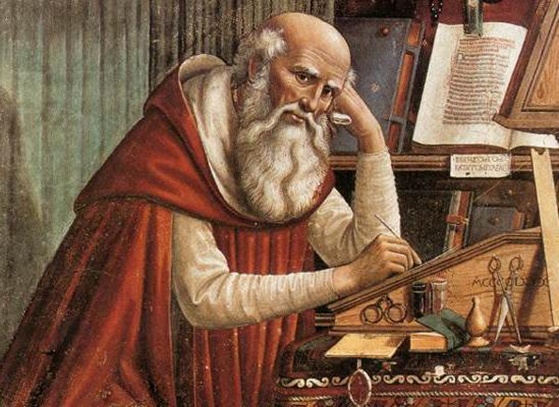
Augustine – father of the spiritual autobiography?


 the many-headed monster