
[In our mini-series ‘A Page in the Life’, each post briefly introduces a new writer and a single page from their manuscript. In this post, Tawny Paul introduces us to a frustrated eighteenth-century artisan whose life she explores in more detail in her new article on ‘Accounting for Men’s Work’.]
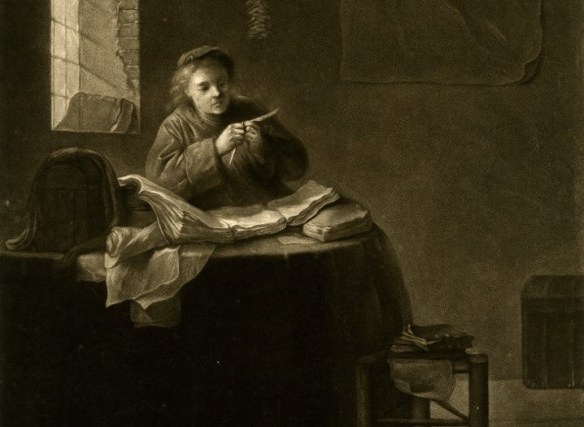
In 1769, Thomas Parsons, a young stonemason in Bath, penned a daily account of his life. He may have written quite a lot over the years, but only one volume of his diary survives, covering a period of eight months. Though relatively modest in size, the text provides an entry into the world of a young man at a formative stage of life.
Parsons was twenty-five years old when he produced the diary. At this age, many young people in the eighteenth century married, finished training, assumed occupational status, and became more independent. Parsons’ diary therefore gives us insights into many themes related to lifecycle. This makes the text extremely valuable, because while histories of women have done remarkable work in uncovering the nuances of female lifecycle experiences, we know rather less about how men transitioned through life’s stages.
His entry for 13 April 1769 shows this in vivid detail as it centres on his struggles with his father: Continue reading
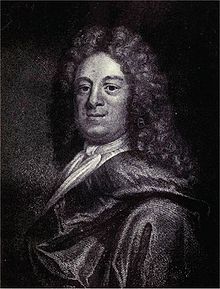 The Leeds antiquarian and pious diarist Ralph Thoresby (1658-1725) wrote a lot. An awful lot. Between the ages of nineteen and sixty-seven he kept a diary, often recording entries on most days of the week. Seven volumes of Thoresby’s life-writing survive, and at approximately 500 pages per volume that’s 3,500 pages of text. The page transcribed below is fairly typical at 550 words, so that makes close to two million words of Thoresby’s self-reflection out there. You don’t have to read them all though, because this page below provides a relatively good sense of the content and scope of Thoresby’s written self: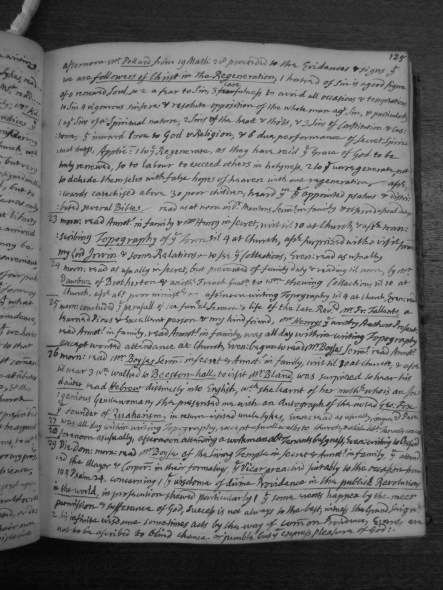
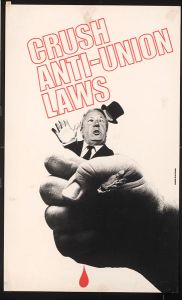
 After a brief mid-term hiatus, in this last post marking the publication last month of my latest monograph,
 the many-headed monster