
Brodie Waddell
How, in the 21st century, can the word ‘pleb’ lead to a prominent MP resigning his government post and to a £2 million libel lawsuit? The recent conclusion of this ridiculous saga has reminded us that this seemingly obsolete term of social description still has bite, but why?
The BBC has offered its own little history lesson on ‘pleb’, focusing on its classical origins. However, they leap straight from the Latin source to its use in 19th century public schools. What the BBC misses, perhaps justifiably, is the re-emergence of this Latinate language in the early modern period and the fraught use of the term by historians studying that period. Yet for those of us interested the history of social relations and social conflict, the terminology is more than an anachronistic oddity.

Rugby School, beloved by the plebs
The abbreviated version – ‘pleb’ – used by Andrew Mitchell seems to have been an invention of the late 18th century. I haven’t found it in any of the thousands of transcribed texts on Early English Books Online except in Latin passages, and the Oxford English Dictionary records its first example in 1795. It is, by this time, derogatory Westminster School slang for ‘the son of a tradesman’. Mitchell, who attended the equally exclusive Rugby School, probably picked it up through this route though he might have learned a bit more about it when studying history at Cambridge. This explains why, in a moment of angry condescension, he spat out a term that most of us would regard as obscure and a bit silly. Nonetheless many other versions of the term have been circulating for at least a couple thousand years. Continue reading


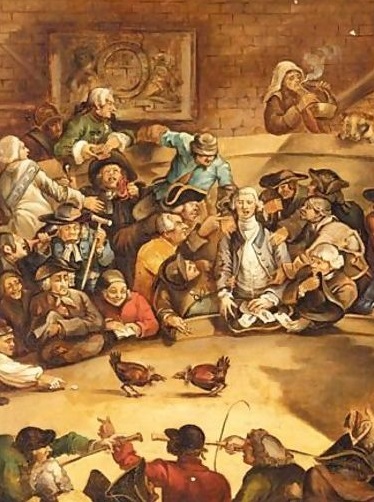
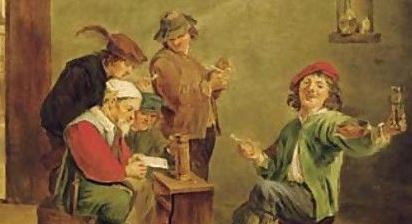

 the many-headed monster