This post is part of Reflecting on Imtiaz Habib’s Black Lives in the English Archives: An Online Symposium, organised and edited by Rebecca Adusei and Jamie Gemmell. The blog series is introduced here. You can join Rebecca and Jamie to celebrate the publication of the posts at a free event at the London Metropolitan Archives on Friday 19 May – the event includes presentations by the post authors and a tour of the LMA’s new ‘Unforgotten Lives’ exhibition.
Susannah Lyon-Whaley
Susannah Lyon-Whaley is completing her PhD in Art History at the University of Auckland in Aotearoa New Zealand on the Stuart queen consort Catherine of Braganza.
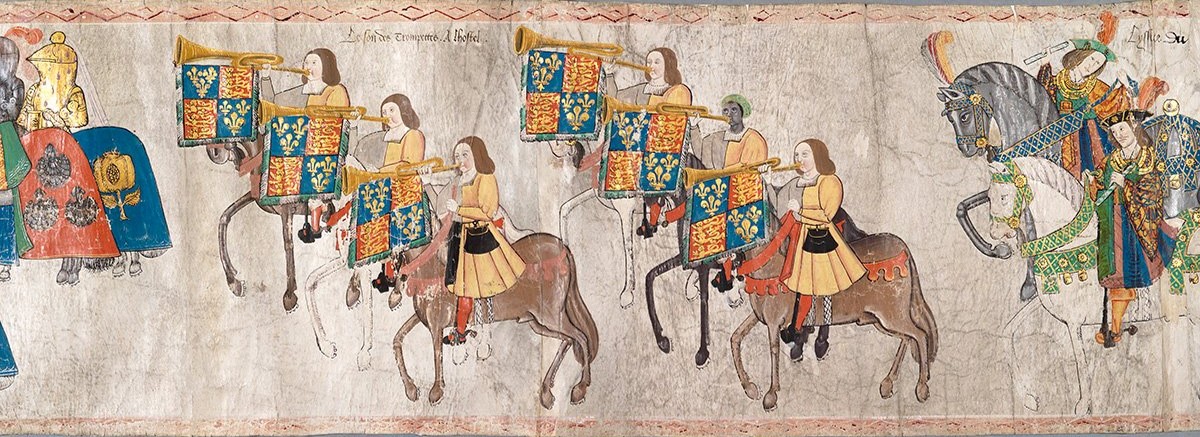
Imtiaz Habib’s groundbreaking study Black Lives in the English Archives, 1500-1677: Imprints of the Invisible (2008) searches for traces of its subjects in parish registers, legal documents, and also amidst the records of the royal court. Histories of European kings and queens – even to the present day – often say little about black lives, yet royal records offer rich, if sporadic, evidence of these. To establish the presence of African slaves in the train of Catherine of Aragon, the Spanish princess who arrived in England in 1501 to marry Henry VIII’s older brother, Habib looks to official letters and the accounts of bystanders.[1] While these records are rich, their references to black lives are not easy to find but must be mined, likely why Habib does not apply the same detail to the Restoration court of the seventeenth century (c. 1660-1688) as he does to the household of the Spanish princess.
Similar to many of Habib’s finds, the £2 paid “To the Lady Wood ffor the Blackemores Lienning [linen]” – in 1663 in the accounts of Catherine of Braganza (1638-1705), Portuguese queen consort of Charles II (r. 1649/1660-1685), is easily glossed over, sandwiched between payments to attendants at the waters of the spa at Tunbridge Wells and for gold to play at cards. While ‘Lady Wood’ can be identified as Dame Mary Wood (d. 1665) through her appearance in Catherine’s household lists, the ‘Blackemores’ – a phrase indicating African heritage – are not named, gendered, nor even quantified.[2] By the Restoration, Habib argues that blackness was more likely to be associated with enforced servitude.[3] What, then, can the ‘queen’s account’ of these lives tell us about black lives in the Restoration household? Continue reading