Alehouse Characters Christmas Special: The Festive Binge-Drinker

Mark Hailwood

This is the fifth and final post in a series written to mark the publication of my book, Alehouses and Good Fellowship in Early Modern England, which is now available in paperback. Monster readers can take advantage of a special offer to get 25% off (getting the book for just £13.49) by using the promotion code ‘BB125’ when ordering here. Each post in this series focuses on a character that features in the book, and uses them to highlight some of my key themes and arguments.
scrooge0_lg

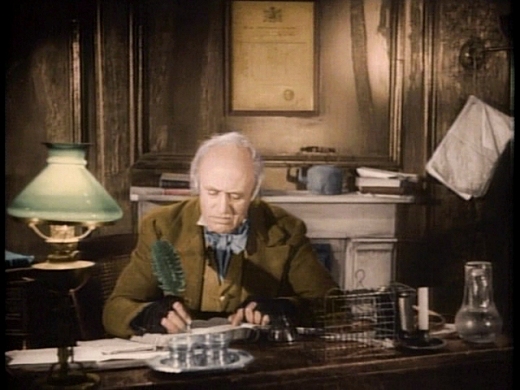
Totting up the end of year accounts…

On the 22nd of December, 1647, as the wind and rain lashed down outside, the Yorkshire yeoman farmer Adam Eyre spent his day at home casting up his accounts of his expenses for the year. He was a reasonably prosperous man—a member of what historians of the seventeenth-century would call the ‘middling sort’—but he was not at all happy with the level of his outgoings.

What was to blame for his profligacy? The alehouse, of course. So, like many of us do as the year draws to a close, he made a resolution:

‘hereafter never to pay for anybody in the alehouse, nor never to entangle myself in company so much again as I have done’

Adam Eyre did not want to go the way of the fictional ‘wastrel husband’ John Jarret: instead, he determined to renounce ‘good fellowship’.

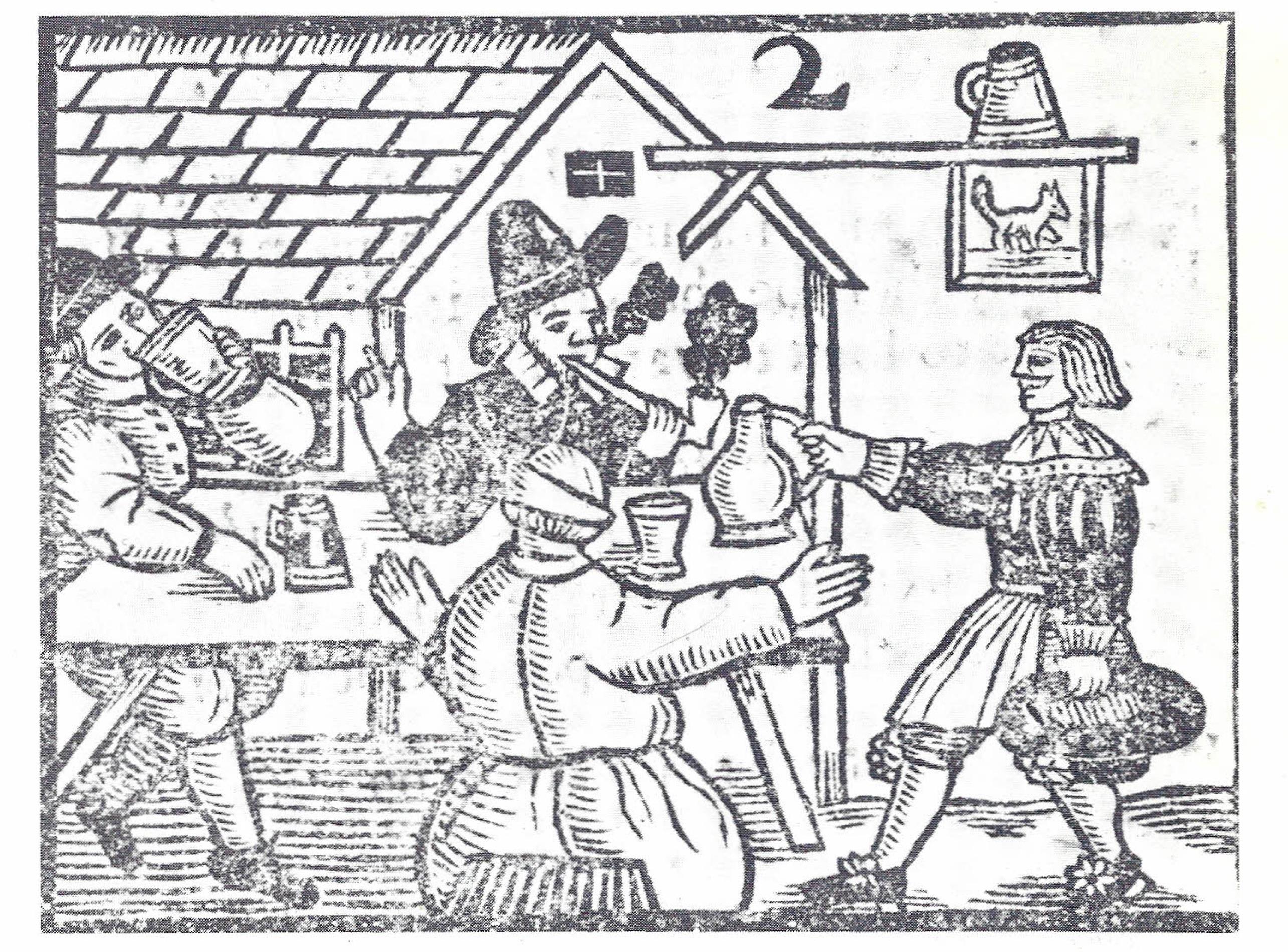
But Eyre’s resolve did not last long. On 26th December—St Stephen’s Day, later to become Boxing Day—Eyre’s horse had a minor fall when trying to leap over a muddy ditch. As Eyre sought to regain his composure he encountered a fellow officer in the Parliamentary army, Corporal Richard Barber, who persuaded Adam to take a restorative draft of ale or two in an alehouse in nearby Thurlstone. Eyre spent 4 pence (the standard measure of ale then was a quart, or two pints, and this typically cost 2p: so it was a penny a pint). Continue reading

The editing game…

Jonathan Willis

editing-ratesRegular monster readers may have noticed that my productivity as a blogger has dipped in recent months. I’m not trying to claim extenuating circumstances, but I attribute this (at least in part) to the fact that I’m currently involved in the production of three edited volumes of essays (two as co-editor, and one as sole editor). Editing other people’s work is a great privilege, and most of the time it’s immensely rewarding and enjoyable. Editing a volume of essays, though, is also extremely time consuming, and trying to coordinate your own hectic work patterns with the schedules of ten other academics, perhaps a dozen or maybe more, is often easier said than done. In this post, I’d therefore like to spend some time reflecting on my experience of ‘the editing game’, and the rewards it can bring, as well as some of the potential pitfalls to avoid. If you’re short of time, why not scroll straight to the bottom to see my top 10 dos and don’ts for editors! Continue reading

Alehouse Characters #4: The Good Fellowette

Mark Hailwood

This is the fourth in a series of posts written to mark the publication of my book, Alehouses and Good Fellowship in Early Modern England, which is now available in paperback. Monster readers can take advantage of a special offer to get 25% off (getting the book for just £13.49) by using the promotion code ‘BB125’ when ordering here. Each post in this series focuses on a character that features in the book, and uses them to highlight some of my key themes and arguments.

The seventeenth-century English alehouse was undoubtedly a male-dominated space. It was certainly not, however, an exclusively male space. For a start, it was common for alehouses to be run by widows, or by the wives of men whose name was actually the one on the license, and many young women would have worked as serving maids in these institutions. But women also represented a significant component of alehouse customers. Indeed, one historian has estimated that as many as 30% of the customers in Essex alehouses in the sixteenth and seventeenth centuries were women.[1]

Case

Women were a sizeable minority of the alehouse crowd

Women often drank in alehouses with their husbands, and young women frequented them as part of mixed-gender groups of friends. Of course, the alehouse was an important centre of courtship for the young in the villages and small towns of seventeenth-century England, in an age when a trip to the cinema or the bowling alley—or whatever it is young folk do for courtship these days—were not available options. (Although some alehouses did have bowling alleys attached to them even then, so the link between bowling and courtship may be older than we think). Continue reading

The plebs: a brief history

Brodie Waddell

How, in the 21st century, can the word ‘pleb’ lead to a prominent MP resigning his government post and to a £2 million libel lawsuit? The recent conclusion of this ridiculous saga has reminded us that this seemingly obsolete term of social description still has bite, but why?

The BBC has offered its own little history lesson on ‘pleb’, focusing on its classical origins. However, they leap straight from the Latin source to its use in 19th century public schools. What the BBC misses, perhaps justifiably, is the re-emergence of this Latinate language in the early modern period and the fraught use of the term by historians studying that period. Yet for those of us interested the history of social relations and social conflict, the terminology is more than an anachronistic oddity.

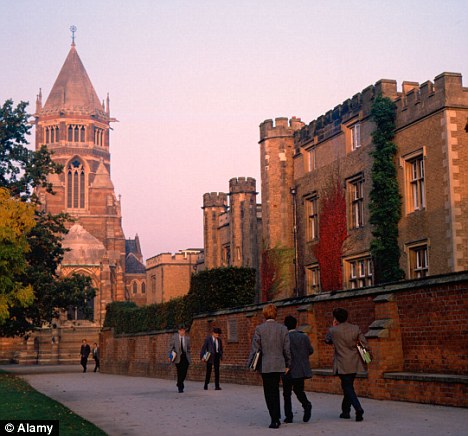
Rugby School, beloved by the plebs

Rugby School, beloved by the plebs

The abbreviated version – ‘pleb’ – used by Andrew Mitchell seems to have been an invention of the late 18th century. I haven’t found it in any of the thousands of transcribed texts on Early English Books Online except in Latin passages, and the Oxford English Dictionary records its first example in 1795. It is, by this time, derogatory Westminster School slang for ‘the son of a tradesman’. Mitchell, who attended the equally exclusive Rugby School, probably picked it up through this route though he might have learned a bit more about it when studying history at Cambridge. This explains why, in a moment of angry condescension, he spat out a term that most of us would regard as obscure and a bit silly. Nonetheless many other versions of the term have been circulating for at least a couple thousand years. Continue reading

Alehouse Characters #3: The Wastrel Husband

Mark Hailwood

This is the third in a series of posts written to mark the publication of my book, Alehouses and Good Fellowship in Early Modern England, which is now available in paperback. Monster readers can take advantage of a special offer to get 25% off (getting the book for just £13.49) by using the promotion code ‘BB125’ when ordering here. Each post in this series focuses on a character that features in the book, and uses them to highlight some of my key themes and arguments.

As we saw in the previous post, the rising popularity of alehouses and good fellowship in seventeenth-century England met with considerable opposition from Church and State. But concerns over developments in England’s drinking culture did not just emanate from hostile ruling elites—from the ‘top down’—they were also voiced within popular culture. This can be seen most clearly in contemporary anxieties that ‘good fellowship’ spawned ‘wastrel husbands’. One such example is the central character of this post: John Jarret.

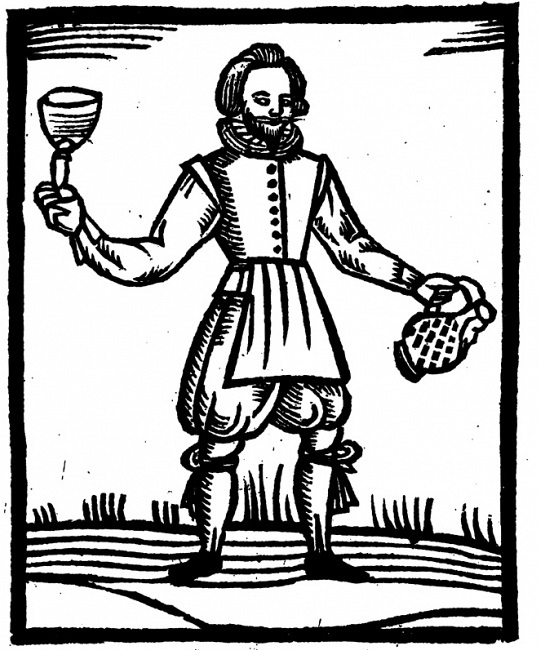
John Jarret

John Jarret

Jarret, like Roaring Dick of Dover, is the central character of a broadside ballad, and whilst both men are keen partakers of alehouse good fellowship, John Jarret’s drinking is portrayed in rather more problematic terms than Roaring Dick’s. Rather than being a celebration of good fellowship, the ballad featuring Jarret—narrated by his long suffering wife—is a warning about its dire consequences.[1] Continue reading

Alehouse Characters #2: The Drunken Constable

Mark Hailwood

This is the second in a series of posts written to mark the publication of my book, Alehouses and Good Fellowship in Early Modern England, which is now available in paperback. Monster readers can take advantage of a special offer to get 25% off (getting the book for just £13.49) by using the promotion code ‘BB125’ when ordering here. Each post in this series focuses on a character that features in the book, and uses them to highlight some of my key themes and arguments..

On an October evening, in the year 1604, a weary traveller by the name of John Oultings entered Turner’s alehouse in the Essex parish of Layer Marney. It was around 6 o’clock, and Oultings ordered himself some beer and cheese, and requested a room in which to rest overnight. It was the kind of routine stopover that was a common occurrence in England’s seventeenth-century alehouses, as the institution represented an important component of the country’s hospitality infrastructure.

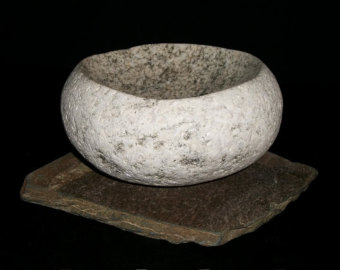
So far, then, nothing particularly remarkable. But what Oultings was to witness during his stay was a sequence of rather more intriguing events. On his arrival he found John Lufkin – the central character of this post – drinking with one Thomas Marsh and several other men. Whether Oultings joined these men is not clear, but at around 9 o’clock he saw John Lufkin call to the alehousekeeper to bring forth ‘a huge great stone pot’, which contained ‘very near two gallons’ (that’s 16 pints) of beer, a vessel that the drinkers referred to as ‘Fowler’—a rather odd nickname for a drinking vessel, but its provenance will become clear. Oultings was not interested in participating in whatever drinking ritual was about to ensue, and retired to his bed chamber.

Bring forth 'The Fowler'!

Bring forth ‘The Fowler’!

Continue reading

Alehouse Characters #1: The Jovial Good Fellow

Mark Hailwood

This is the first in a series of posts written to mark the publication of my book, Alehouses and Good Fellowship in Early Modern England, which is now available in paperback. Monster readers can take advantage of a special offer to get 25% off (getting the book for just £13.49) by using the promotion code ‘BB125’ when ordering here. Each post in this series focuses on a character that features in the book, and uses them to highlight some of my key themes and arguments.

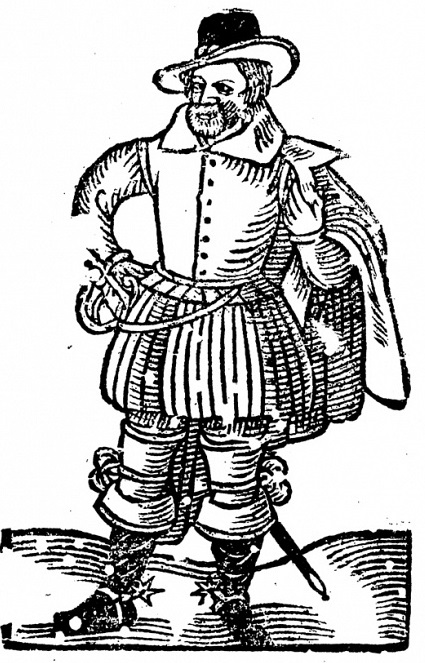
Meet our first alehouse character: Roaring Dick of Dover, the Jovial Good Fellow of Kent.

Roaring Dick of Dover

Roaring Dick of Dover

Roaring Dick is the narrator of an eponymous 1630s drinking ballad of the sort that would have been performed in, and perhaps even pasted onto the walls of, England’s seventeenth-century alehouses. Continue reading

Gunpowder, Treason and Plot III: Places and Practice

Laura Sangha

This is the third of three posts surveying the London Catholic community at the time of the Gunpowder Plot. View the first here and the second here.

Yesterday we discovered that records of fluctuating levels of persecution might in fact provide us with more information about shifting international relations and official anxieties than changing levels of commitment to Catholicism. In this final post I use more qualitative data in an attempt to flesh out our understanding of the Catholic community in London through an exploration of some of the most prominent sites of Catholic activity in the capital. Continue reading

Gunpowder, Treason and Plot II: The People

Laura Sangha

This is the second of three posts surveying the London Catholic community around the time of the Gunpowder Plot. View the first here. View the last here.

Recusant roll entry edit

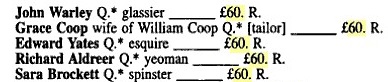
Recusant roll entries can give details about social status.

Having established that there were lots of missionary priests about in Jacobethan London, my question today is: how much of an appetite was there for what Catholics were selling? We are fortunate in that recusant rolls survive for Middlesex from 1603-1625, so these provide part of an answer. Recusancy was the term applied to those who refused to attend Church of England services: from 1593 these people were punished with fines, property confiscations and imprisonment. Whilst not all people who were fined for refusing to take communion in Church were Catholics (they might be Protestant nonconformists), Jacobethan Puritans were less likely to avoid attending altogether, and more likely to attend begrudgingly, omitting parts of the service or disrupting the performance as part of a vocal protest. Records were kept of those people that were indicted, and these recusant rolls often give details about the identity and status of absentees, in the process historians have assumed that they furnish us with information about the Catholic community. Continue reading

Gunpowder, Treason and Plot I: The London Mission

Laura Sangha

This is the first of three posts on Catholics in England at the time of the Gunpowder Plot. The second, on recusancy is here. The third, on the places in London where Catholics were often found, is here.

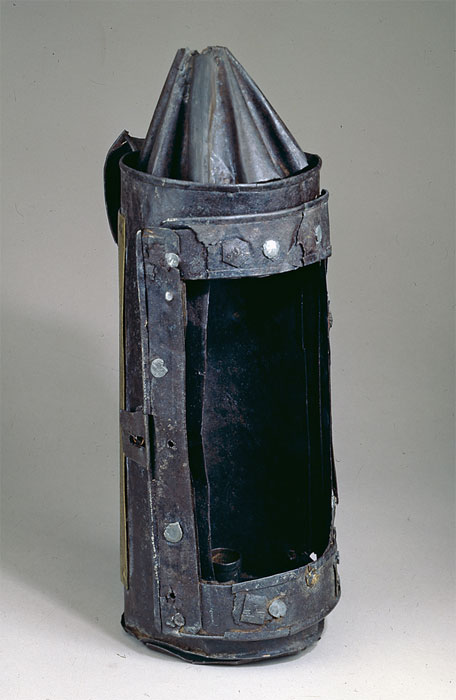
Allegedly Guy Fawkes’ lantern, now in the Ashmolean Museum

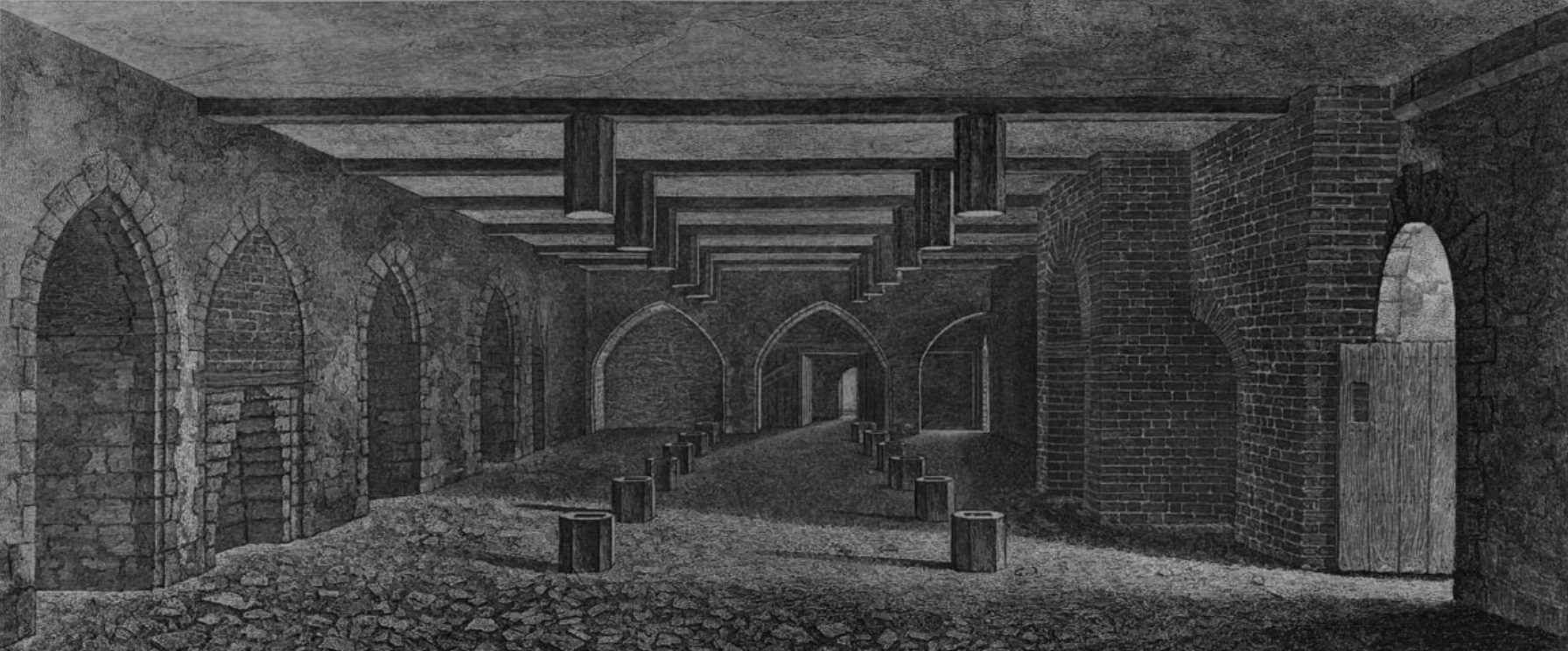
On 4 November 1605, during a search at around midnight on the eve of the state opening of England’s Parliament, a soldier by the name of Guy Fawkes was accosted by officials in an undercroft directly beneath the House of Lords. He was wearing a cloak and hat and carried a lantern, and a search of his person revealed several slow matches and touchwood. Nearby, under a pile of faggots and wood, thirty-six barrels of gunpowder were discovered. Fawkes was promptly arrested and taken to the king.

This was of course the moment at which the infamous ‘gunpowder treason’ plot was foiled, bringing to a halt the breathtakingly ambitious plan of a group of Catholic conspirators determined to reduce Parliament to rubble, to assassinate king James VI and I and his family, and to tear the heart out of the Protestant political establishment by killing in one fell swoop privy councillors, senior judges, the leading lights of the aristocracy and members of the House of Commons.

The undercroft beneath the House of Lords, 1799 engraving.

At the trial of the surviving conspirators, the Attorney-General Sir Edward Coke insisted that the plot had been invented by Jesuit priests, depraved fanatics determined to subvert the loyalty of the English people. Historians have interpreted this as part of a consistent policy on the part of James I to separate religious radicals (both ‘papists’ and ‘puritans’) from their more moderate allies, whereby he emphasised the subversive and dangerous nature of the radical fringe in an attempt to persuade their more moderate brethren of the utility and desirability of religious uniformity within the English nation. Continue reading