
Mark Hailwood & Laura Sangha
Over the past couple of years the pair of us have had the pleasure of being involved in a series of events around the theme of ‘creative histories’, curated by the fertile brains behind the Storying the Past reading group.
Put simply, the aim of these conversations has been to encourage participants – which have included academic historians, authors, singer-songwriters, teachers, filmmakers and many others – to talk and think about the creative elements of historical research, writing, teaching, and consumption.
If this sounds like your kind of thing then you can read a whole host of blog posts that have emerged from these events, over at the Storying the Past blog. No need to do anything creative at this stage, simply click here.
But we thought it might be nice to collate the contributions that we have made to these conversations into a monster mini-series, to draw them to the attention of any of our readers who might have missed them, and hopefully to whet your appetite for reading more over at Storying the Past.
So, this week we will be re-blogging our posts here, as follows: Continue reading
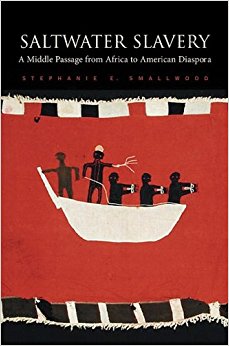 I should note a few caveats. First, I had to exclude a few excellent suggestions even from my long list as they were focused primarily on the post-1750 period, which is covered by another module. Second, there were a few publications that I don’t have access to, so I put them on a separate list too. Third, there may be errors, so let me know if I’ve miscategorised anyone. Fourth, I know that people of colour write great scholarship about all sorts of history other than colonialism and slavery, but I thought this would be a good topic to start with given the particularly egregious nature of my initial list. Finally, I’m very aware that this list is incomplete. I’d welcome the chance to update it, so please comment below with your own ideas!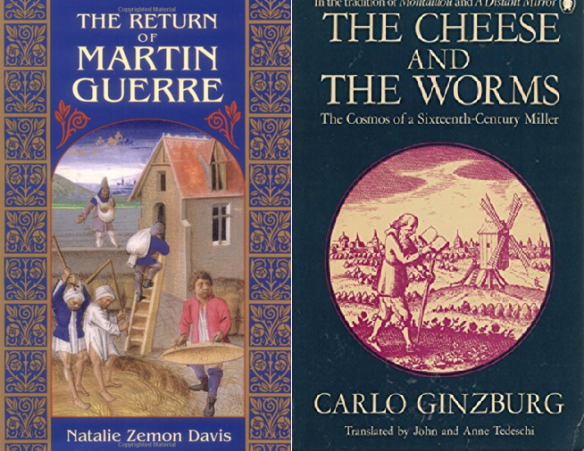
 Last week I asked historians on twitter what three books they would recommend for prospective students to read over the summer – those students starting a history degree in September. I got a lot of responses (thanks very much, brilliant #twitterstorians), and you can read the full list at the end of this post. Before you do, here are a few thoughts that struck me about summer reading for history students.
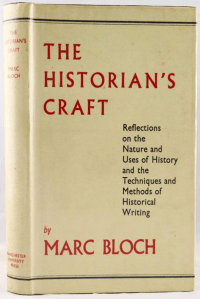 1) Students need to get to know the discipline, since what they did at school is not representative of it. So they should read ‘what is history’ books which explain why and how academics study the past. These might mainly cover historiography, or might be focused on issues that are fundamental to the discipline, i.e. what footnotes are, or why there is fiction in the archives. (See list section ‘The Historian’s Craft’).
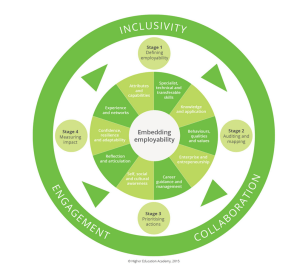 If you want to know more about employability then the
  The first challenge, and the one which has been taken up and answered with the most gusto, in the contributions to this symposium as well as in the scholarship more broadly, has been to disprove the notion of a shift to ‘iconophobia’ through the identification and presentation of concrete counter-examples. Religious imagery, religious music and religious drama did not cease to exist c.1580. It is worth pointing out at this juncture that Collinson’s article (perhaps unsurprisingly) stands up much better today upon re-reading than I had anticipated. Much of what people have challenged him on, he doesn’t actually claim. He doesn’t speak about religious music in general, for example; just godly ballads. He doesn’t speak about pictorial art in general, and explicitly rules out domestic decoration from consideration. His claims and evidence are much more limited than they are often taken to be, and therefore in a narrow sense they remain more or less correct.
