Jonathan Willis
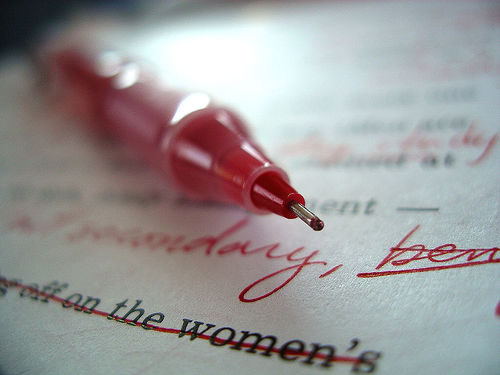 Regular monster readers may have noticed that my productivity as a blogger has dipped in recent months. I’m not trying to claim extenuating circumstances, but I attribute this (at least in part) to the fact that I’m currently involved in the production of three edited volumes of essays (two as co-editor, and one as sole editor). Editing other people’s work is a great privilege, and most of the time it’s immensely rewarding and enjoyable. Editing a volume of essays, though, is also extremely time consuming, and trying to coordinate your own hectic work patterns with the schedules of ten other academics, perhaps a dozen or maybe more, is often easier said than done. In this post, I’d therefore like to spend some time reflecting on my experience of ‘the editing game’, and the rewards it can bring, as well as some of the potential pitfalls to avoid. If you’re short of time, why not scroll straight to the bottom to see my top 10 dos and don’ts for editors! Continue reading