Mark Hailwood
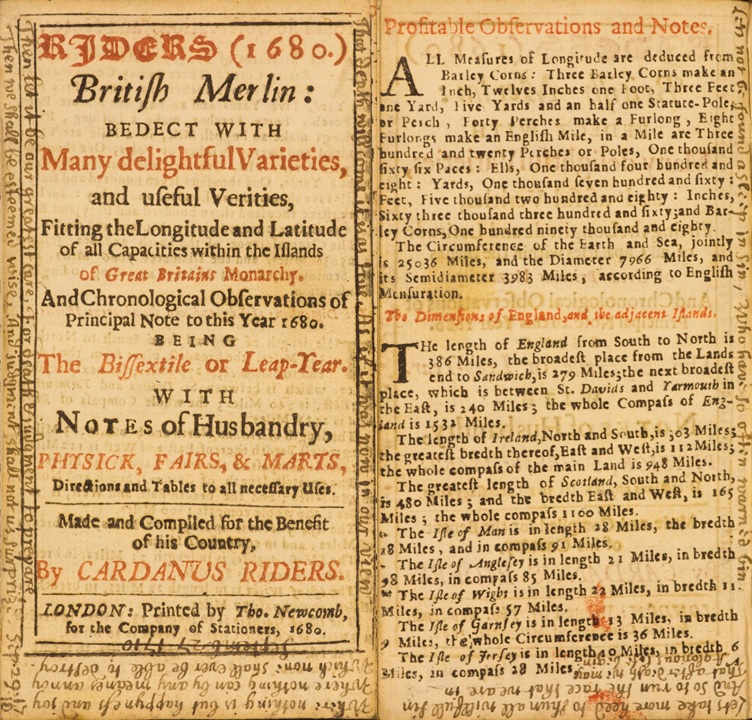
Those of us historians intent on exploring the world of ordinary women and men in the sixteenth and seventeenth centuries conduct a lot of our research by looking at surviving examples of what such people read–for instance, cheap printed broadside ballads–or of what they wrote–take, say, Joseph Bufton’s notebooks. These materials are fascinating and undoubtedly useful, but regular readers of this blog might understandably find themselves wondering about the validity of this approach, and asking themselves a simple but important question: to what extent could the lower classes of England actually read and write in the seventeenth century?
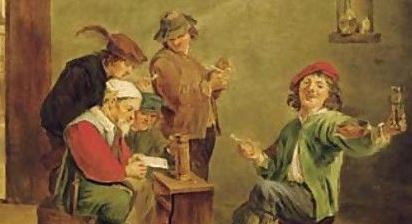
David Teniers the Younger ‘Peasants Reading a Letter…’ But could they?
It’s a fair question, and has important implications. Does this material really provide a window into the minds of the most humble people in Tudor and Stuart society, or were reading and writing skills the preserve of the more affluent, or at least the middling, classes of society? After all, in 1691 the puritan writer Richard Baxter had described his lower-class neighbours as ‘the rabble that cannot read’. Was this fair? Continue reading