
Brodie Waddell
I’m not a labour relations expert, nor a union organiser, nor a seasoned activist. I am, however, a lecturer who has been on strike over the past few weeks alongside tens of thousands of other university staff.
As historian of, roughly, the seventeenth century, I’ve felt frustrated that I could add so little to the wonderful teach-outs on contemporary politics or to the brilliant online commentary on the technicalities of the dispute. I’d be useless at trying to predict what is going to happen next and I can’t even offer any practical advice to our tireless UCU representatives who are trying to save our pensions. The only thing I can hope to contribute is a few thoughts on some of the echoes – and dissonances – between those long-past struggles and our own.
Striking isn’t just about striking
The current strike started when UCU members voted overwhelmingly to withdraw their labour in an attempt to get our employers to negotiate, rather than simply impose a new poorer, riskier pension scheme. This refusal to work is what defines a strike. It is painful: students don’t get taught, research grinds to a halt, administrative services slow or cease, and we don’t get paid. This is also precisely why it is such an important tactic if we want our employers to compromise.
But it is hardly the only tactic being used during this strike. It is merely a small part of a broader ‘strike culture’. Continue reading
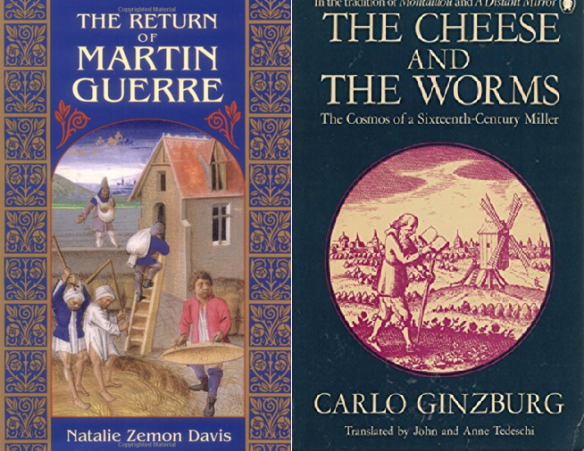
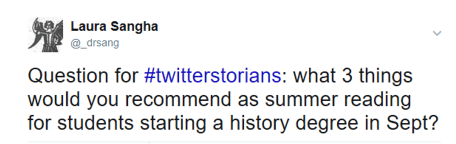 Last week I asked historians on twitter what three books they would recommend for prospective students to read over the summer – those students starting a history degree in September. I got a lot of responses (thanks very much, brilliant #twitterstorians), and you can read the full list at the end of this post. Before you do, here are a few thoughts that struck me about summer reading for history students.
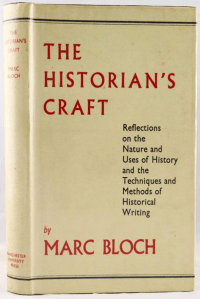 1) Students need to get to know the discipline, since what they did at school is not representative of it. So they should read ‘what is history’ books which explain why and how academics study the past. These might mainly cover historiography, or might be focused on issues that are fundamental to the discipline, i.e. what footnotes are, or why there is fiction in the archives. (See list section ‘The Historian’s Craft’).
 to convince you that they have something to offer pretty much everybody interested in researching, reading or writing about early modern England. As well as co-editing
