To kick off our #AliceClark100 Online Reading Group – marking 100 years since the publication of her groundbreaking Working Life of Women in the Seventeenth Century – Tim Stretton provides some valuable context in this short biography of Alice Clark. Tim is a Professor of History at Saint Mary’s University, Canada, and has contributed a chapter on Alice Clark to a recent book on Generations of Women Historians. The next post – discussing the Introduction – will follow next week. So get reading!
Tim Stretton
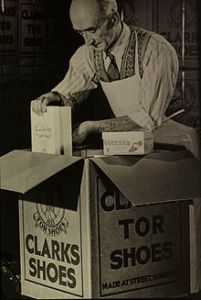 At first glance Alice Clark seems the most unlikely of historians. Due to ill health she managed only sporadic periods at school and she never went to university. She was a capitalist, not a scholar, spending most of her adult life as a director of the family business, known today as Clarks Shoes Ltd. Yet from a young age she was a voracious reader and would have joined her sister at Cambridge had her parents not felt strongly that the shoe company would benefit from the involvement of a female family member.
In common with almost every one of her relations, she was also a lifelong activist for good causes and I think Working Life of Women is best understood as serving the project to achieve votes and greater equality for women. Her initial subject, when she moved to London in 1912 to work on the suffragist campaign, was not women’s work, but the history of Quaker ideas about gender equality. What puzzled her was the contrast between the striking levels of autonomy 17th century Quaker women experienced––in tandem with the defiance they showed in the face of persecution––and the deep conservatism of Quaker authorities in the 19th and 20th centuries. The organization’s gender segregated meetings and prolonged reluctance to endorse the cause of female suffrage left Clark disillusioned and she set herself the goal of understanding the causes behind this decline in female independence. Continue reading
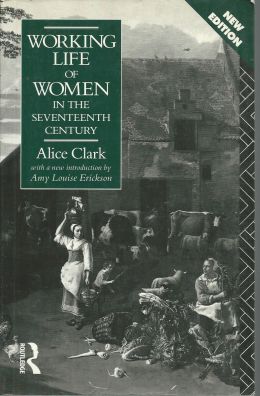 The centenary of the publication of this seminal work presents a great opportunity to both celebrate the scholarship of Alice Clark, and to reflect on the current state of the history of early modern women’s work. And so, we would like to invite you, dear reader, to join an online reading group here on the many-headed monster that will do just that.